Introduction
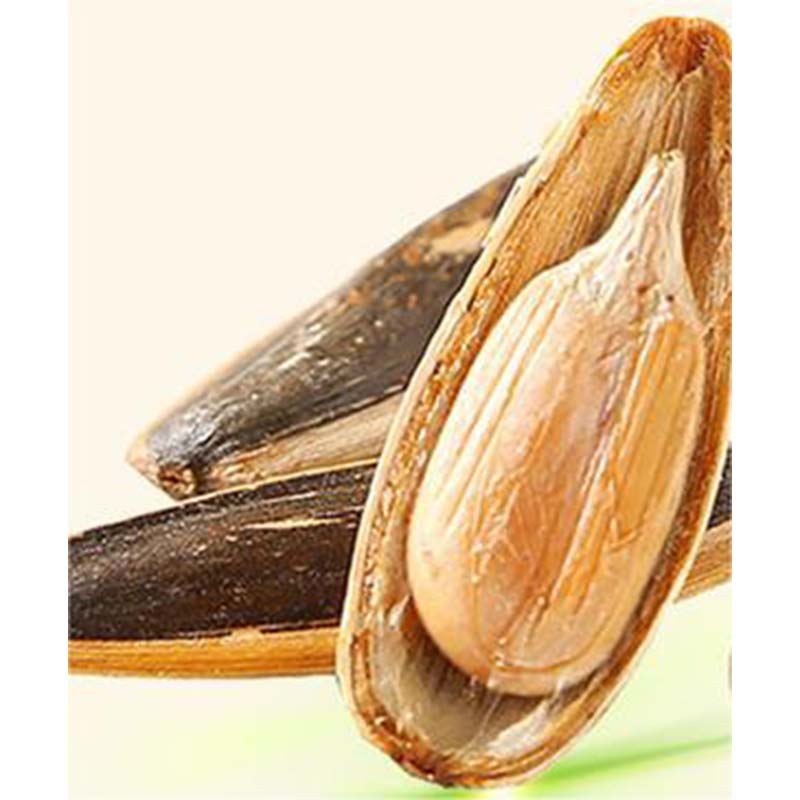
Sunflower seeds ‘Double Star’ represent a significant commodity within the global food industry, specifically categorized as oilseed agricultural products. Their position in the supply chain begins with agricultural production, encompassing cultivation, harvesting, and initial processing. Subsequent stages include dehulling, grading, and packaging for both direct consumer consumption and industrial applications – primarily oil extraction and confectionary ingredients. Core performance characteristics focus on kernel size, oil content, protein levels, and overall seed integrity. A key challenge within the industry revolves around maintaining consistent quality, mitigating aflatoxin contamination, and optimizing oil yield while addressing consumer demand for both conventional and organic varieties. The ‘Double Star’ brand aims to position itself through consistent kernel size, low moisture content, and adherence to strict quality control measures throughout the production process.
Material Science & Manufacturing
The primary raw material, sunflower seeds ( Helianthus annuus), consists of approximately 35-50% oil, 20-25% protein, 15-20% carbohydrates, and 5-10% moisture. The hull, or pericarp, is composed primarily of cellulose and lignin, contributing to its structural integrity and resistance to abrasion. Kernel hardness is dictated by protein structure and oil content; higher oil content generally correlates with softer kernels. Manufacturing begins with harvesting at optimal maturity (typically 9-12% moisture content). Dehulling is a critical step, commonly employing centrifugal or impact dehullers. Parameter control during dehulling is paramount; excessive force leads to kernel damage, reducing quality and increasing oil loss. Grading separates seeds based on size, density, and color, utilizing screens and optical sorters. Packaging utilizes materials exhibiting low oxygen transmission rates (OTR) to prevent rancidity. Nitrogen flushing is often employed to displace oxygen within the packaging. Further processing may involve seasoning with salt or flavorings, applied via tumble coating. Chemical compatibility of packaging materials with the oil is critical to prevent leaching and maintain flavor profile stability. Residual moisture content is rigorously monitored (target <8%) to prevent mold growth and aflatoxin production. Drying processes commonly utilize heated air, with temperature and airflow carefully controlled to avoid heat damage to the oil.
Performance & Engineering
Performance analysis of ‘Double Star’ sunflower seeds centers on key metrics influencing consumer acceptability and industrial usability. Kernel hardness, measured using a penetrometer, impacts mouthfeel and processing suitability. Oil content, determined via Soxhlet extraction, dictates yield for oil extraction facilities. Fatty acid profile analysis, utilizing gas chromatography, defines oil quality and suitability for various applications (e.g., edible oil, biodiesel). Aflatoxin levels, analyzed via ELISA or HPLC, are paramount due to stringent regulatory limits. Environmental resistance focuses on maintaining seed viability during storage. Moisture content fluctuations induce stress cracking and lipid oxidation. Packaging materials provide a barrier against oxygen, light, and moisture. Force analysis during dehulling requires optimizing impact force and huller geometry to minimize kernel damage. Compliance requirements include adherence to food safety standards (e.g., HACCP), pesticide residue limits (e.g., MRLs established by FAO/WHO), and labeling regulations (e.g., nutritional information, allergen declarations). Functional implementation involves optimizing seasoning application for even distribution and flavor intensity, requiring precise control of coating parameters and ingredient ratios. The structural integrity of the seed coat also affects resistance to breakage during handling and transport.
Technical Specifications
| Parameter | Unit | Specification (Double Star) | Typical Range (Industry Average) |
|---|---|---|---|
| Oil Content (Dry Basis) | % | 48-52 | 38-50 |
| Kernel Hardness | N | 80-120 | 60-150 |
| Moisture Content | % | <7 | <10 |
| Aflatoxin B1 | ppb | <2 | <5 |
| Kernel Size (Average Diameter) | mm | 10-12 | 8-14 |
| Foreign Matter | % | <0.5 | <1 |
Failure Mode & Maintenance
Sunflower seeds ‘Double Star’ are susceptible to several failure modes. Rancidity, caused by lipid oxidation, results in off-flavors and reduced nutritional value. This is accelerated by exposure to oxygen, light, and elevated temperatures. Fatigue cracking of the kernel can occur during handling and processing due to stress concentrations. Aflatoxin contamination, primarily Aspergillus flavus and Aspergillus parasiticus, is a significant concern, particularly in warm and humid environments. Hulling damage leads to increased free fatty acid content and reduced shelf life. Insect infestation can cause significant losses during storage. Maintenance strategies include controlled atmosphere storage (nitrogen flushing, modified atmosphere packaging), rigorous temperature and humidity control (<60% RH, <15°C), regular monitoring for aflatoxin levels, and effective pest control measures. Packaging should utilize materials with low OTR and light transmission. Proper cleaning and sanitation of processing equipment are crucial to prevent microbial contamination. Visual inspection during grading to remove damaged or discolored seeds is essential. Seed treatment with antifungal agents can provide a preventative measure against aflatoxin production, but must comply with regulatory limits. Regular inventory rotation (FIFO – First In, First Out) minimizes storage time and reduces the risk of degradation.
Industry FAQ
Q: What measures are taken to ensure consistently low aflatoxin levels in ‘Double Star’ sunflower seeds?
A: ‘Double Star’ implements a multi-faceted approach. This includes sourcing seeds from regions with low aflatoxin prevalence, employing pre-harvest irrigation management to mitigate drought stress (which increases susceptibility), rigorous inspection and sorting during dehulling to remove visibly infected seeds, and regular testing of both raw material and finished product using ELISA and HPLC methodologies. Strict adherence to storage protocols, including temperature and humidity control, also minimizes aflatoxin formation.
Q: How does ‘Double Star’ maintain consistent kernel size and what impact does this have?
A: Consistent kernel size is achieved through selective breeding of sunflower varieties, meticulous grading processes utilizing calibrated screens, and optimized harvesting techniques to minimize mechanical damage. Consistent kernel size is critical for uniform roasting, seasoning application, and efficient processing in automated packaging lines. It also impacts consumer preference, as uniform appearance is often associated with quality.
Q: What is the shelf life of ‘Double Star’ sunflower seeds under optimal storage conditions?
A: Under optimal storage conditions (temperature <15°C, relative humidity <60%, sealed packaging with nitrogen flushing), ‘Double Star’ sunflower seeds have a shelf life of 12-18 months. However, this is contingent upon maintaining the integrity of the packaging and adhering to FIFO inventory management practices. Regular monitoring of oil quality (peroxide value) is recommended to confirm stability.
Q: What types of packaging materials are used and how do they contribute to product quality?
A: ‘Double Star’ utilizes multi-layer packaging films composed of polyethylene terephthalate (PET), aluminum foil, and polyethylene (PE). The aluminum foil provides an excellent barrier against oxygen and light, preventing rancidity and preserving flavor. PET offers structural integrity, while PE provides heat sealability. Nitrogen flushing is employed to further reduce oxygen levels within the package.
Q: Can ‘Double Star’ sunflower seeds be used in industrial applications beyond direct consumer consumption?
A: Yes. ‘Double Star’ seeds are suitable for oil extraction, producing a high-quality oil with a favorable fatty acid profile. They are also utilized as a protein source in animal feed formulations and as ingredients in confectionary products. The consistent kernel size and low moisture content make them particularly well-suited for industrial processing.
Conclusion
‘Double Star’ sunflower seeds represent a carefully engineered agricultural product demanding stringent control across the entire value chain. From optimized agricultural practices prioritizing oil content and minimizing aflatoxin risk to meticulous manufacturing processes focusing on dehulling, grading, and packaging, every stage is critical to delivering a high-quality product. The technical specifications detailed above illustrate a commitment to exceeding industry standards in key performance indicators.
Future developments will likely focus on genetic modifications to further enhance oil yield and resistance to pests and diseases, alongside sustainable packaging solutions reducing environmental impact. Continued investment in analytical methodologies for rapid and accurate aflatoxin detection will also be paramount. Ultimately, ‘Double Star’s’ success hinges on a continued dedication to scientific rigor and quality control, ensuring consumer trust and long-term viability within the competitive sunflower seed market.
