Introduction
Sunflower seeds, Helianthus annuus, represent a significant agricultural commodity with a complex cost structure driven by factors spanning agronomic practices, processing techniques, and global market dynamics. This guide provides an in-depth analysis of sunflower seed cost, encompassing material science of the seed itself, manufacturing processes influencing price, performance considerations for various end-uses (oil extraction, confectionery, birdseed), and critical failure modes impacting economic yield. Understanding these elements is crucial for procurement managers, food processors, and agricultural businesses navigating the sunflower seed supply chain. The cost analysis extends beyond the raw commodity price to include costs associated with variety selection, cultivation methods, drying, hulling, sizing, and quality control measures. The ultimate goal is to provide a comprehensive resource for informed decision-making related to sunflower seed acquisition and utilization.
Material Science & Manufacturing
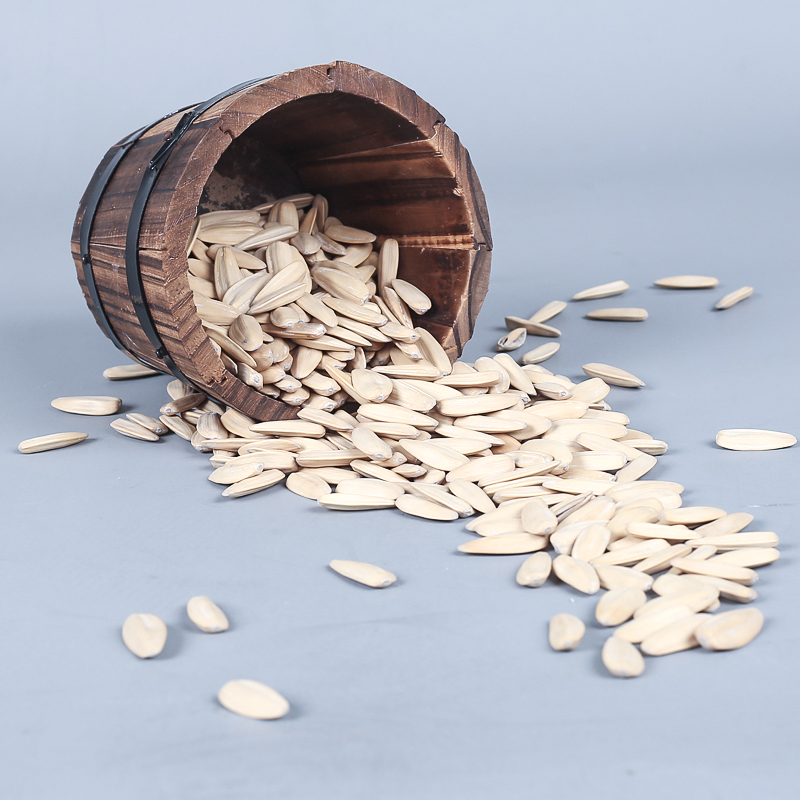
Sunflower seeds are comprised primarily of an oil-rich kernel encased within a hull (also known as a pericarp). The kernel contains approximately 40-60% oil, 20-30% protein, and 10-20% carbohydrate. The hull contributes approximately 20-30% of the total seed weight and consists largely of cellulose, hemicellulose, and lignin. Seed variety significantly impacts oil content, fatty acid profile (oleic, linoleic), and protein composition, directly influencing market value. Manufacturing begins with seed selection based on oil content and intended use. Cultivation practices – including fertilization, irrigation, and pest control – impact seed yield and quality. Post-harvest processing involves cleaning, drying to a moisture content of approximately 9-10% to prevent fungal growth and aflatoxin contamination, and dehulling. Dehulling is a critical step, typically performed using impact dehullers or abrasive dehullers. Proper calibration of these machines is essential to minimize kernel damage, which reduces oil yield and quality. Further processing includes sizing and sorting based on kernel size and visual defects. Advanced processing may include color sorting using optical sensors to remove discolored or damaged kernels. The efficiency of each stage, parameter control (temperature during drying, impact force during dehulling, sorting precision) and minimization of loss are key to managing costs.
Performance & Engineering
The performance of sunflower seeds is assessed based on several engineering properties crucial for processing and end-use applications. Kernel hardness, measured by compression testing, impacts oil extraction efficiency. Harder kernels generally require more energy for oil expression but may yield higher quality oil with fewer impurities. Hull strength, determined by fracture testing, is critical for optimizing dehulling efficiency and minimizing kernel damage. Seed size and shape influence flowability in processing equipment and uniformity in confectionery products. Moisture content is a critical parameter affecting seed storability and susceptibility to fungal growth. Mathematical modeling, using principles of fluid dynamics and heat transfer, is employed to optimize drying processes and ensure uniform moisture removal. The impact of seed size distribution on oil yield has been investigated using statistical process control methods. Furthermore, the environmental resistance of sunflower seeds is paramount. They must withstand varying temperatures during storage, maintain integrity during transport, and resist microbial contamination. Compliance requirements, such as regulations set by the FDA and EFSA regarding aflatoxin levels, are non-negotiable and drive stringent quality control measures throughout the supply chain.
Technical Specifications
| Parameter | Unit | Typical Range (Oilseed Variety) | Typical Range (Confectionery Variety) |
|---|---|---|---|
| Oil Content | % (Dry Weight Basis) | 48-58 | 40-50 |
| Kernel Hardness | N | 80-120 | 60-90 |
| Hull Strength | MPa | 20-30 | 15-25 |
| Seed Size (Diameter) | mm | 6-10 | 10-14 |
| Moisture Content (Optimal Storage) | % | 8-10 | 8-10 |
| Aflatoxin Level (Maximum Permissible) | ppb | <20 (US FDA) | <20 (US FDA) |
Failure Mode & Maintenance
Sunflower seed failure modes span pre-harvest losses due to pests and diseases, post-harvest deterioration during storage, and mechanical damage during processing. Aflatoxin contamination, caused by Aspergillus flavus and Aspergillus parasiticus fungi, is a major concern, particularly in warm and humid climates. Preventive measures include proper drying, storage in well-ventilated facilities, and application of antifungal treatments. Cracking and chipping of kernels during dehulling and sorting result in oil loss and reduced product quality. Optimizing equipment parameters and implementing gentle handling procedures are crucial. Lipid oxidation, leading to rancidity, occurs during storage due to exposure to oxygen, light, and elevated temperatures. Antioxidant treatments and packaging in airtight containers can mitigate this issue. Insect infestation can lead to significant losses and contamination. Proper sanitation and the use of insecticidal treatments are essential. For maintenance of processing equipment, regular inspection of dehulling rollers, impact plates, and sorting mechanisms is necessary to prevent wear and tear and ensure optimal performance. Bearing lubrication and timely replacement of worn parts are critical for minimizing downtime and maintaining processing efficiency. Regular calibration of sorting equipment is essential for maintaining quality control standards.
Industry FAQ
Q: What is the primary driver of sunflower seed price volatility?
A: The primary driver is typically weather patterns in major growing regions (Ukraine, Russia, US, Argentina, EU). Droughts, excessive rainfall, or early frosts can significantly reduce yields, leading to price spikes. Geopolitical factors, particularly in Ukraine and Russia, also play a substantial role due to their combined dominance in global sunflower seed production and export.
Q: How does the oil content affect the pricing of sunflower seeds?
A: Higher oil content directly correlates with higher prices. Seed varieties with an oil content exceeding 50% command a premium because they yield more oil per unit of seed, resulting in lower oil production costs for processors.
Q: What quality control measures are most critical for minimizing aflatoxin contamination?
A: Critical measures include ensuring rapid and thorough drying of seeds immediately after harvest to reduce moisture content below 9%, proper storage in well-ventilated and clean facilities, regular monitoring for fungal growth, and adherence to strict sanitation protocols during processing. Implementing a HACCP (Hazard Analysis and Critical Control Points) plan is highly recommended.
Q: What are the benefits of using optical sorting technology in sunflower seed processing?
A: Optical sorting significantly improves seed quality by removing discolored, damaged, or foreign material. This leads to higher oil yield, improved oil quality, and increased market value for the final product. It also enhances process efficiency by reducing the load on downstream equipment.
Q: What is the impact of hulling efficiency on overall cost?
A: High hulling efficiency minimizes kernel damage and loss, directly increasing oil yield and reducing waste. Inefficient hulling results in a higher percentage of broken kernels and hull fragments, reducing the overall value of the processed seeds and increasing disposal costs.
Conclusion
Sunflower seed cost is a multifaceted variable governed by a complex interplay of biological, agronomic, and processing factors. Optimizing each stage – from seed selection and cultivation to post-harvest handling and processing – is paramount for maintaining economic viability. Understanding the material science of the seed, implementing robust quality control measures to prevent aflatoxin contamination, and maximizing processing efficiency are key to minimizing costs and ensuring a consistent supply of high-quality seeds.
Future trends in sunflower seed cost will likely be influenced by climate change, increasing demand for vegetable oils, and advancements in breeding technologies. Developing drought-resistant and disease-resistant varieties, improving oil extraction techniques, and implementing sustainable agricultural practices will be crucial for ensuring the long-term affordability and availability of sunflower seeds.
