
Introduction
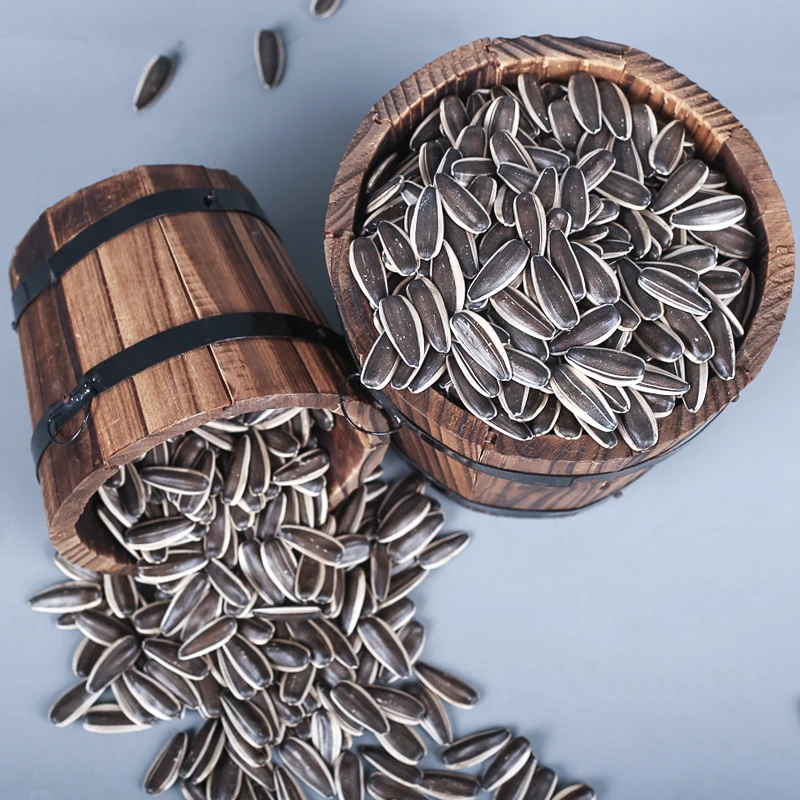
Sunflower seeds, specifically those processed and packaged for human consumption originating from China (“Sunflower Seeds Chinese”), represent a significant commodity within the global snack food market. Their technical position within the agricultural supply chain extends from seed breeding and cultivation, through harvesting and drying, to processing (de-hulling, seasoning, and roasting), packaging, and finally, distribution. Core performance characteristics defining product quality encompass kernel size and weight, oil content, protein content, moisture content, and absence of foreign material. Critical industry pain points revolve around maintaining consistent kernel quality, managing aflatoxin contamination (a mycotoxin produced by fungi), ensuring food safety compliance with varying international regulations, and optimizing packaging for extended shelf life and consumer appeal. The product’s appeal is significantly impacted by the degree of hulling efficiency, and the balance of oil content, contributing to taste and texture.
Material Science & Manufacturing
The primary raw material, Helianthus annuus seeds, exhibit a complex chemical composition. Kernels consist of approximately 40-50% oil (primarily linoleic acid, an omega-6 fatty acid), 20-25% protein, 15-20% carbohydrate (mostly fiber), and 5-10% moisture. The seed coat (hull) is composed of cellulose and lignin, providing structural integrity but requiring removal during processing. Manufacturing begins with harvesting, typically mechanized for large-scale operations. Post-harvest drying is crucial, lowering moisture content to ~8-10% to inhibit fungal growth and preserve quality. This is commonly achieved using forced-air drying systems, with temperature and airflow meticulously controlled to avoid thermal damage to the oil. De-hulling is performed mechanically, using impact or friction methods. Efficiency varies based on seed variety and equipment calibration, with residual hull impacting the overall sensory experience. Roasting, usually employing hot air or oil-based systems, develops flavor profiles and reduces moisture further. Seasoning (salt, spices, flavorings) is applied post-roasting, requiring uniform distribution. Packaging utilizes multi-layer films (typically PET/Al/PE laminates) to provide barrier protection against oxygen, moisture, and light, crucial for preventing rancidity and maintaining flavor. Parameter control during drying (temperature, humidity, airflow) and roasting (temperature, duration, airflow) are paramount, directly affecting oil quality, flavor development, and final product texture.
Performance & Engineering
Sunflower Seeds Chinese performance is directly correlated to its structural integrity, oil stability, and barrier properties of its packaging. Kernel strength, measured by crushing resistance, impacts handling during processing and packaging, minimizing breakage. Oil stability, assessed by peroxide value (PV) and anisidine value (AV), determines shelf life and resistance to rancidity. These values are heavily influenced by roasting conditions and the presence of antioxidants. Packaging performance is evaluated based on oxygen transmission rate (OTR) and water vapor transmission rate (WVTR). Lower OTR and WVTR values indicate superior barrier properties, preserving product freshness. Environmental resistance is vital; the product must withstand temperature fluctuations during storage and transportation. Compliance requirements include adherence to maximum aflatoxin levels (regulated by FDA, EU, and GB standards), heavy metal limits (lead, cadmium), and pesticide residue limits. Force analysis during packaging informs optimal fill weights and sealing parameters to prevent package rupture. The design of the packaging also considers user convenience (resealable features) and marketing considerations (visual appeal, branding). Engineering challenges include minimizing dust generation during de-hulling and seasoning, optimizing roasting profiles for uniform color and flavor development, and preventing oil migration into the packaging material.
Technical Specifications
| Parameter | Unit | Typical Range (Premium Grade) | Testing Method |
|---|---|---|---|
| Kernel Size | mm | 10-12 | Sieve Analysis |
| Oil Content (Dry Basis) | % | 50-55 | Soxhlet Extraction |
| Protein Content (Dry Basis) | % | 20-24 | Kjeldahl Method |
| Moisture Content | % | 6-8 | Oven Drying Method (AOAC) |
| Aflatoxin B1 | ppb | < 5 | HPLC with Fluorescence Detection |
| Peroxide Value (PV) | meq O2/kg | < 3.0 | Titration Method (AOCS) |
| Oxygen Transmission Rate (OTR) | cc/pkg/day | < 20 | Gas Chromatography |
Failure Mode & Maintenance
Sunflower Seeds Chinese are susceptible to several failure modes. Rancidity, caused by lipid oxidation, is a primary concern, leading to off-flavors and reduced shelf life. This is accelerated by exposure to oxygen, light, and high temperatures. Aflatoxin contamination, a significant food safety hazard, occurs when the seeds are exposed to fungal growth during pre- or post-harvest handling. Kernel cracking during processing or transportation leads to damaged seeds and dust generation. Package integrity failures (seal failures, punctures) compromise barrier protection, accelerating spoilage. Maintenance protocols focus on rigorous quality control at each stage of production. This includes thorough seed cleaning and sorting, optimized drying and roasting parameters, effective pest control, and regular monitoring for aflatoxin contamination. Packaging materials must be carefully selected and inspected for defects. Proper storage conditions (cool, dry, dark) are essential to minimize degradation. Regular audits of processing facilities and adherence to Good Manufacturing Practices (GMP) are crucial for preventing contamination and ensuring consistent product quality. Failure analysis of defective batches should involve root cause identification (e.g., inadequate drying, improper roasting, contaminated raw material) and corrective actions.
Industry FAQ
Q: What is the significance of the hulling ratio, and how does it impact market value?
A: The hulling ratio, representing the percentage of kernels fully removed from their hulls, directly impacts consumer acceptance. Higher hulling ratios result in a more palatable product, reducing chewing effort and improving texture. Kernels with significant hull fragments are often downgraded in value, as they are considered lower quality and less appealing. A hulling ratio exceeding 95% is generally considered premium quality, commanding a higher price point in the market.
Q: How are aflatoxin levels consistently monitored and controlled throughout the supply chain?
A: Aflatoxin control involves a multi-faceted approach. This begins with sourcing seeds from regions with lower risk of aflatoxin contamination. Pre-harvest monitoring of fields for fungal infection is crucial. Post-harvest, rigorous sorting and cleaning remove visibly moldy seeds. Analytical testing (HPLC) is performed at multiple stages – raw material, post-roasting, and finished product – to ensure compliance with regulatory limits. Proper drying and storage conditions minimize fungal growth. Some processors employ chemical sorbents to bind aflatoxins, though this is subject to regulatory approval.
Q: What are the key differences in packaging materials used for different distribution channels (e.g., retail vs. bulk)?
A: Retail packaging typically utilizes multi-layer laminates (PET/Al/PE) with high barrier properties to maximize shelf life and maintain product freshness. These packages are often smaller in size, designed for single consumption or limited use. Bulk packaging, used for wholesale distribution, may employ heavier-gauge films or woven polypropylene bags with inner liners. While cost-effectiveness is prioritized, barrier properties remain important, though slightly lower than retail packaging. Modified atmosphere packaging (MAP) – flushing with nitrogen – is sometimes used for bulk shipments to extend shelf life during transit.
Q: How does roasting temperature affect the formation of acrylamide, and what mitigation strategies are employed?
A: Acrylamide, a potentially harmful chemical, can form during high-temperature roasting of starchy foods, including sunflower seeds. Higher roasting temperatures and longer roasting times increase acrylamide formation. Mitigation strategies include optimizing roasting profiles (lower temperatures, shorter durations), adding antioxidants (e.g., vitamin E) to the seeds, and controlling the moisture content of the seeds prior to roasting. Regular monitoring of acrylamide levels in finished products is essential to ensure compliance with regulatory limits.
Q: What role do antioxidants play in preserving the quality and extending the shelf life of Sunflower Seeds Chinese?
A: Antioxidants, such as vitamin E (tocopherols), play a crucial role in preventing lipid oxidation and rancidity. They scavenge free radicals, interrupting the chain reaction that leads to oil degradation. Adding vitamin E during or after roasting can significantly extend shelf life, preserving flavor and nutritional value. Natural antioxidants extracted from rosemary or green tea are also increasingly used as alternatives. The effectiveness of antioxidants depends on their concentration and the specific oil composition of the sunflower seeds.
Conclusion
Sunflower Seeds Chinese represent a complex agricultural product requiring meticulous attention to detail throughout the entire supply chain. Maintaining consistent kernel quality, effectively controlling aflatoxin contamination, and optimizing packaging for shelf life are critical success factors. A thorough understanding of material science, manufacturing processes, and performance engineering is essential for producing a safe, palatable, and commercially viable product.
Future trends in the industry will likely focus on sustainable sourcing practices, improved processing technologies for higher hulling ratios and reduced energy consumption, and the development of innovative packaging materials with enhanced barrier properties and biodegradability. Continuous monitoring of regulatory standards and advancements in analytical testing will also be crucial for ensuring ongoing compliance and maintaining consumer trust.
