Introduction
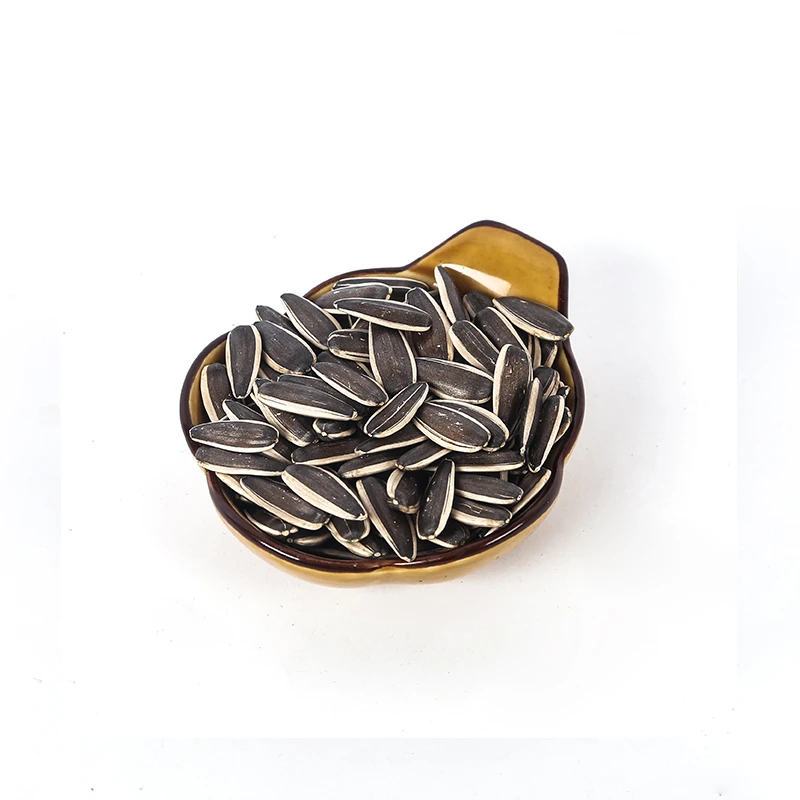
Sunflower seeds, in bulk quantities, represent a significant commodity in the food processing, animal feed, and increasingly, the biofuel industries. This technical guide details the critical aspects of sunflower seeds bulk, from agricultural sourcing and post-harvest processing to quality control, storage, and potential applications. Sunflower seeds (Helianthus annuus) are categorized into oilseed varieties (high oil content) and confectionary varieties (larger kernel size, often consumed directly). Bulk handling necessitates a comprehensive understanding of the seed's physical and chemical properties to prevent damage, maintain quality, and ensure compliance with relevant industry standards. The core performance metrics center around oil yield (for oilseed varieties), kernel integrity, moisture content, and freedom from contaminants like mycotoxins and foreign materials. The industry faces continual pressure to optimize yield, reduce processing costs, and meet increasingly stringent food safety regulations.
Material Science & Manufacturing
Sunflower seeds are composed of approximately 35-50% oil, 20-30% protein, 15-25% hull (or husk), and 5-10% moisture. The oil is primarily linoleic acid (a polyunsaturated omega-6 fatty acid) with varying levels of oleic acid depending on the variety. The hull consists of cellulose, hemicellulose, and lignin, providing structural integrity but also contributing to waste during oil extraction. Seed maturity, determined by kernel moisture content and black dot development, significantly impacts oil yield and quality. Manufacturing begins with agricultural practices – soil composition, fertilization, and irrigation. Harvesting methods (mechanical vs. manual) impact seed damage and contamination levels. Post-harvest processing involves cleaning (removing debris, stems, and leaves), drying (reducing moisture content to typically 8-10% for storage), dehulling (removing the outer hull – pneumatic or mechanical methods), and grading (based on size, shape, and density). Precise control of drying temperature is critical to prevent protein denaturation and oil oxidation. Dehulling efficiency impacts oil yield and the quality of the resulting kernel. The primary parameter control is moisture content, which directly influences microbial growth and seed viability. Chemical compatibility considerations include the potential for rancidity due to lipid oxidation, accelerated by light, heat, and the presence of metal ions. Antioxidants are frequently employed to mitigate this.
Performance & Engineering
The performance of sunflower seeds in bulk handling and processing is governed by several engineering principles. Force analysis during transportation and storage focuses on minimizing compressive forces to prevent kernel breakage. Bulk density (typically 600-700 kg/m³) influences storage capacity and conveyor system design. Environmental resistance is a major concern; high humidity leads to mold growth (Aspergillus, Penicillium), while temperature fluctuations accelerate lipid oxidation. Engineering controls include optimized ventilation systems for storage silos, temperature monitoring, and the use of inert gas blanketing (nitrogen) to reduce oxygen levels and prevent oxidation. Compliance requirements vary by region but generally adhere to food safety standards like HACCP (Hazard Analysis and Critical Control Points) and GMP (Good Manufacturing Practices). The functional implementation of sunflower seeds in different applications (oil extraction, animal feed, direct consumption) dictates specific processing parameters. For oil extraction, pre-pressing or solvent extraction methods are used, each with associated energy efficiency and solvent residue considerations. In animal feed, digestibility and nutrient content are key performance indicators. For direct consumption, kernel size, flavor profile, and absence of shell fragments are crucial.
Technical Specifications
| Parameter | Oilseed Variety | Confectionery Variety | Units |
|---|---|---|---|
| Oil Content (Dry Basis) | 48-58 | 38-48 | % |
| Kernel Moisture Content (Storage) | 8-10 | 8-10 | % |
| Kernel Hardness | Moderate | High | (Arbitrary Scale) |
| Hull Content | 15-25 | 20-30 | % |
| Free Fatty Acids (FFA) | <1.0 | <1.0 | % |
| Peroxide Value (PV) | <5.0 | <5.0 | meq O2/kg |
Failure Mode & Maintenance
Failure modes in sunflower seed bulk storage and processing are diverse. Fatigue cracking of seed kernels occurs due to repeated stress during handling and transportation. Delamination – separation of the kernel from the hull – reduces oil yield and quality. Degradation of oil quality (rancidity) is a primary concern, driven by lipid oxidation. This manifests as off-flavors and reduced nutritional value. Microbial contamination, specifically by mycotoxin-producing molds (aflatoxins, ochratoxins), is a serious food safety hazard. Insect infestation (storage beetles) causes significant losses. Maintenance strategies include regular cleaning of storage facilities, temperature and humidity control, implementation of pest control programs, and routine quality testing for mycotoxins and FFA levels. Preventive maintenance on processing equipment (dehullers, cleaners, conveyors) is essential to minimize kernel damage. Monitoring peroxide value and performing periodic oil quality analyses are crucial for identifying and mitigating oxidation. Effective sanitation protocols are paramount to prevent microbial growth. Regular inspections for structural damage in silos and storage bins are also vital to prevent seed loss and contamination.
Industry FAQ
Q: What is the primary cause of aflatoxin contamination in sunflower seeds, and what preventative measures should be implemented?
A: Aflatoxin contamination is primarily caused by the fungus Aspergillus flavus, which thrives in warm, humid conditions and on damaged seed kernels. Preventative measures include ensuring proper drying to achieve optimal moisture content (8-10%), minimizing mechanical damage during harvest and handling, implementing effective storage practices with temperature and humidity control, and employing antifungal treatments where appropriate and permitted by regulations.
Q: How does the hull content of sunflower seeds impact the oil extraction process?
A: Higher hull content reduces the oil yield and increases the energy requirements for oil extraction. The hull is relatively inert and does not contribute significantly to oil production. Removing the hull through dehulling prior to oil extraction significantly improves oil yield and efficiency. However, complete hull removal can be challenging and may result in kernel damage.
Q: What is the significance of peroxide value (PV) in assessing sunflower seed oil quality?
A: Peroxide value is a measure of the primary oxidation products in oil, indicating the extent of lipid oxidation and rancidity. A higher PV indicates greater oxidation and lower oil quality. Monitoring PV is crucial for determining the shelf life and suitability of sunflower seed oil for various applications.
Q: What are the key differences between mechanical and solvent extraction methods for sunflower oil?
A: Mechanical extraction (expelling) uses physical pressure to squeeze oil from the seeds. It's generally considered a “cleaner” process but yields less oil. Solvent extraction, using hexane, is more efficient and extracts a higher percentage of oil but requires careful solvent removal to meet food safety standards. The choice depends on cost considerations, oil yield requirements, and regulatory constraints.
Q: How can bulk storage conditions be optimized to minimize seed deterioration?
A: Optimal bulk storage conditions involve maintaining low temperature (below 20°C/68°F), low humidity (below 65% RH), and good ventilation to prevent moisture buildup and mold growth. Regular monitoring of temperature and moisture content is essential. Inert gas blanketing (nitrogen) can further reduce oxidation. The storage structure should be clean, dry, and pest-proof.
Conclusion
Sunflower seeds in bulk represent a complex agricultural commodity demanding precise control across the entire value chain – from field to finished product. Maintaining seed quality requires a deep understanding of its material science, careful attention to processing parameters, and strict adherence to food safety regulations. Effective management of moisture content, prevention of microbial contamination, and mitigation of lipid oxidation are paramount to maximizing yield, preserving nutritional value, and ensuring product integrity.
Future advancements will likely focus on developing sunflower varieties with increased oil content and improved resistance to pests and diseases. Innovations in storage technology, such as modified atmosphere packaging and real-time monitoring systems, will further enhance seed quality preservation. The increasing demand for sustainable and plant-based oils will continue to drive optimization efforts within the sunflower seed industry, emphasizing efficient resource utilization and environmentally responsible practices.
