
Introduction
Sunflower seeds, Helianthus annuus, represent a significant commodity within the global food and oilseed market. This technical guide details the characteristics, manufacturing processes, performance parameters, and potential failure modes associated with commercially available sunflower seeds, focusing on those utilized for direct human consumption and oil extraction. Positioned within the agricultural processing chain between primary cultivation and consumer packaged goods, sunflower seed quality directly impacts downstream processing efficiency, product palatability, and nutritional value. Core performance characteristics include kernel size, oil content, protein content, moisture content, and levels of undesirable compounds like free fatty acids. Understanding these parameters is critical for procurement managers, food scientists, and quality control personnel.
Material Science & Manufacturing
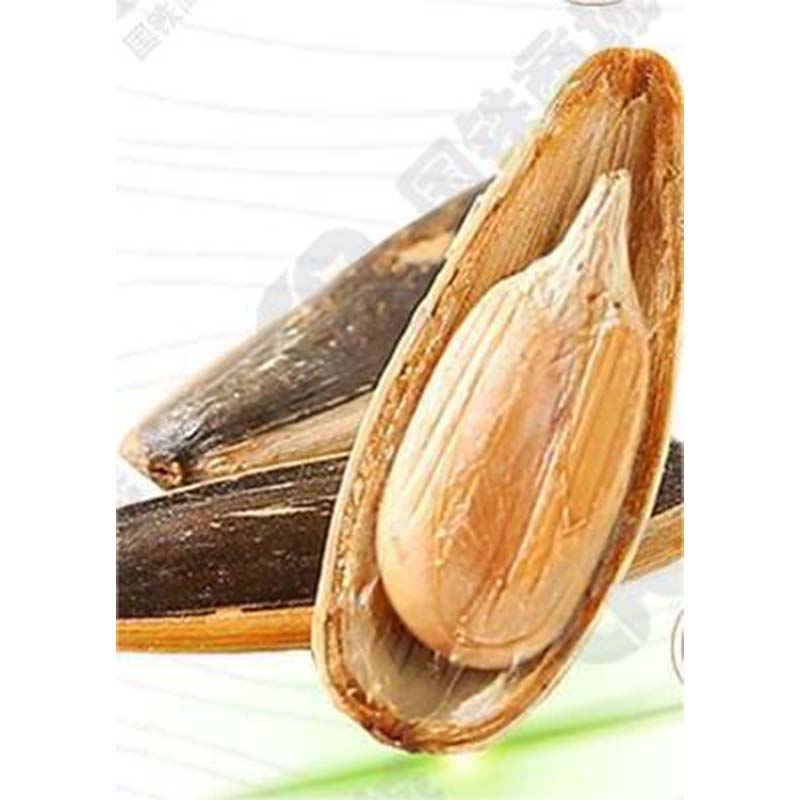
Sunflower seeds are fundamentally composed of a seed coat (hull) and the kernel (meat) which contains the embryo and endosperm, rich in oil. The seed coat is primarily cellulose and lignin, providing structural integrity. The kernel is composed of approximately 20-50% oil (primarily linoleic acid, an omega-6 fatty acid), 20-25% protein, and 10-15% moisture. Manufacturing begins with harvesting, followed by drying to a specified moisture content (typically 9-10%) to prevent fungal growth and maintain quality. Hulling, a critical step, separates the kernel from the hull using mechanical abrasion or impact. Kernel density variations directly affect hulling efficiency. Subsequent grading based on size and quality is performed using screens and optical sorters. Oil extraction, for oilseed varieties, typically utilizes mechanical pressing (expelling) or solvent extraction (using hexane). For confectionery varieties, additional processing might include seasoning (salting, flavoring) and packaging. Precise control of drying temperature and duration is paramount to minimize lipid oxidation and preserve oil quality. Kernel cracking during hulling is a frequent defect, necessitating careful adjustment of processing parameters.
Performance & Engineering
The performance of sunflower seeds hinges on maintaining structural integrity during handling and processing, minimizing oil rancidity during storage, and delivering desired nutritional attributes. Moisture content is a critical parameter, influencing both shelf life and susceptibility to microbial spoilage. Impact resistance testing is used to assess hull strength and kernel damage during transport. Oil stability is evaluated via accelerated oxidation tests (Rancimat method), measuring induction time before significant peroxide value increase. Hulling efficiency, expressed as the percentage of kernels recovered undamaged, is a key metric for processing facilities. The structural integrity of the kernel is governed by the arrangement of oil bodies and protein matrices within the endosperm. Environmental resistance includes considerations for temperature fluctuations and humidity. Packaging plays a crucial role in mitigating oxygen exposure and maintaining optimal moisture levels. Compliance requirements involve adherence to food safety regulations (e.g., FDA guidelines for oilseed processing) and labeling standards regarding nutritional content and allergen information.
Technical Specifications
| Parameter | Confectionery Grade | Oilseed Grade | Unit |
|---|---|---|---|
| Kernel Moisture Content | 6.0 - 8.0 | 9.0 - 10.0 | % (wet basis) |
| Oil Content (Dry Basis) | 40 - 50 | 50 - 60 | % |
| Protein Content (Dry Basis) | 20 - 25 | 18 - 22 | % |
| Kernel Size (Mean Diameter) | 10 - 12 | 8 - 10 | mm |
| Hull Damage (Maximum) | 5 | 10 | % |
| Free Fatty Acid Content | <0.2 | <0.5 | % (oleic acid basis) |
Failure Mode & Maintenance
Sunflower seeds are susceptible to several failure modes. Rancidity, caused by lipid oxidation, is a primary concern, particularly in oilseed varieties. This is accelerated by exposure to oxygen, light, and elevated temperatures. Fungal contamination (e.g., Aspergillus flavus) leading to aflatoxin production is a serious food safety hazard. Cracking and breakage of kernels during handling and processing reduce quality and yield. Hull fragments embedded in kernels can cause processing issues and affect product aesthetics. In confectionery varieties, discoloration due to Maillard reactions during roasting or storage can reduce consumer appeal. Maintenance strategies include proper storage in cool, dry, and dark conditions; use of antioxidant packaging materials; regular monitoring of moisture content and peroxide value; effective pest control; and implementation of robust quality control procedures throughout the processing chain. Proper cleaning and sanitization of processing equipment are vital to prevent microbial contamination.
Industry FAQ
Q: What are the primary factors influencing the shelf life of sunflower seeds?
A: The primary factors are moisture content, oil quality (stability against oxidation), packaging integrity (oxygen barrier), storage temperature, and presence of contaminants like fungi. Maintaining low moisture content (<10%) and employing airtight packaging with oxygen absorbers are critical.
Q: How does kernel size affect the efficiency of the hulling process?
A: Larger, more uniform kernels generally exhibit higher hulling efficiency. Smaller kernels are more prone to breakage during hulling. Variations in kernel size within a batch also reduce hulling effectiveness, necessitating precise adjustments to hulling equipment settings.
Q: What methods are used to assess oil quality in sunflower seeds?
A: Common methods include measuring peroxide value (PV), acid value (AV), and conducting Rancimat testing to determine oxidative stability. Gas chromatography is used to analyze fatty acid composition. Iodine value assesses the degree of unsaturation of the oil.
Q: What are the implications of high free fatty acid content in sunflower seeds?
A: High free fatty acid content indicates lipid hydrolysis, a sign of degradation and poor quality. It negatively impacts oil flavor, reduces oil stability, and can increase refining costs. It also suggests improper storage or handling.
Q: What safety regulations are relevant to sunflower seed processing and distribution?
A: Key regulations include those set forth by the FDA (Food and Drug Administration) regarding food safety, allergen labeling, and acceptable levels of contaminants (e.g., aflatoxins). Compliance with GMP (Good Manufacturing Practices) is essential. Local regulations regarding pesticide residues and heavy metal content may also apply.
Conclusion
Sunflower seeds, while seemingly simple, present a complex interplay of material science, manufacturing challenges, and quality control parameters. Maintaining optimal moisture content, minimizing oxidative degradation, and preventing fungal contamination are paramount for delivering a high-quality product. The selection of appropriate processing techniques, coupled with rigorous adherence to industry standards, directly impacts both the economic viability of production and the safety of the final product.
Continued research into improved hulling technologies, innovative packaging materials, and advanced analytical methods for assessing oil quality will be crucial for optimizing the sunflower seed value chain and meeting evolving consumer demands for healthy and sustainable food products. The future likely involves precision agriculture techniques to enhance seed quality at the source and real-time monitoring systems to ensure consistent product attributes throughout the processing cycle.
