Introduction
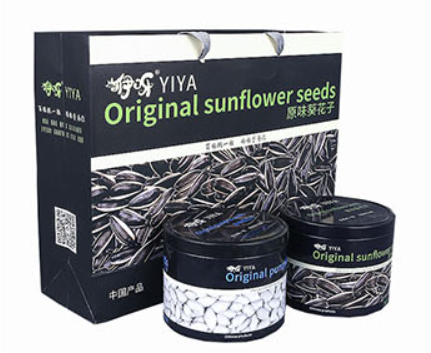
Sunflower seeds (Helianthus annuus) and pumpkin seeds (Cucurbita pepo, C. maxima, C. moschata) represent significant agricultural commodities processed for human consumption, livestock feed, and oil extraction. They occupy a distinct niche within the broader seed and nut industry, differing significantly from tree nuts and other oilseeds in terms of botanical origin, biochemical composition, and processing requirements. Sunflower seeds are generally categorized as oilseeds, prized for their high linoleic acid content, while pumpkin seeds are consumed as both seeds and a source of protein and minerals like magnesium and zinc. Understanding the nuanced characteristics of these seeds—from varietal differences influencing oil content and fatty acid profiles to the impact of post-harvest handling on seed quality—is critical for optimizing processing efficiency and maximizing product value. This guide provides a comprehensive technical overview of sunflower and pumpkin seeds, covering material science, manufacturing processes, performance parameters, failure modes, and relevant industry standards.
Material Science & Manufacturing
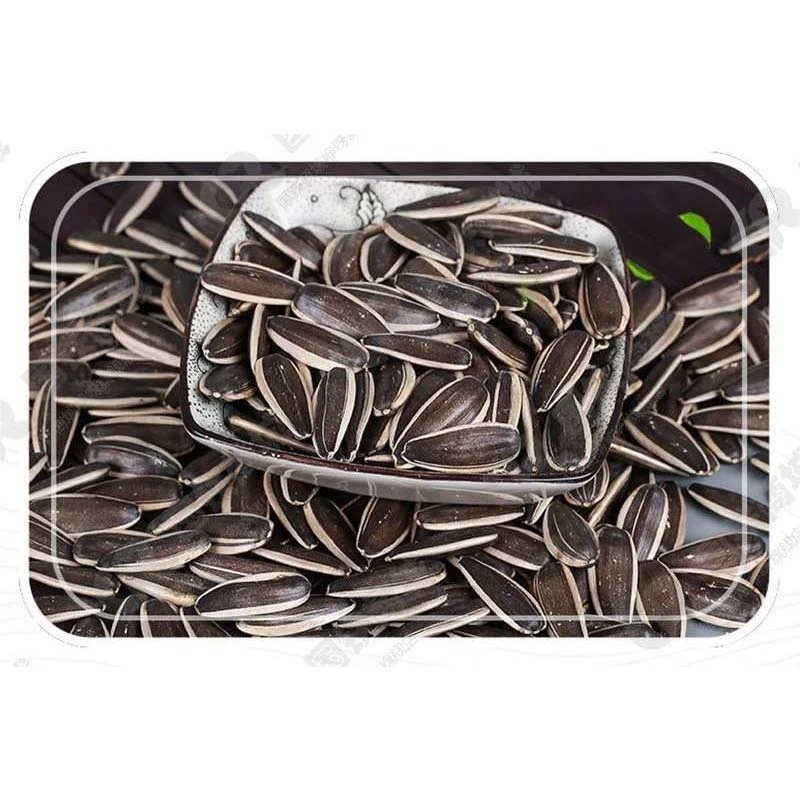
Sunflower seeds consist of a hull (pericarp), kernel (cotyledon), and embryo. The hull is primarily composed of cellulose and lignin, providing structural integrity but offering limited nutritional value. The kernel comprises approximately 50-55% oil, 20-25% protein, and 10-15% carbohydrates. The oil is rich in polyunsaturated fatty acids, particularly linoleic acid. Pumpkin seeds, conversely, have a higher protein content (around 30%) and a lower oil content (40-45%). Their hulls are thinner and more brittle. Manufacturing begins with harvesting, typically mechanical, followed by drying to reduce moisture content to around 8-10% to prevent fungal growth and enzymatic degradation. Sunflower seed dehulling involves mechanical cracking and separation of the hull from the kernel, often utilizing impact dehullers or centrifugal systems. Pumpkin seeds are often manually shelled or processed using smaller-scale dehulling equipment. Oil extraction, predominantly via screw pressing or solvent extraction (hexane), is crucial for sunflower seeds. Screw pressing is a physical method that yields a crude oil requiring further refining. Solvent extraction offers higher oil yields but necessitates stringent solvent removal protocols. Pumpkin seed processing also includes cleaning, grading, and roasting, which alters the seed’s texture, flavor, and antioxidant profile. Parameter control during drying (temperature, airflow), dehulling (impact force, speed), and oil extraction (pressure, solvent ratio) are vital for maximizing oil yield and maintaining seed quality. Seed variety significantly influences hull thickness, oil content, and protein composition, dictating optimal processing parameters.
Performance & Engineering
The performance of sunflower and pumpkin seeds is dictated by their physical and chemical properties. Moisture content directly affects storage stability and susceptibility to mold growth. Oil quality, assessed by acid value, peroxide value, and iodine value, determines its suitability for various applications (edible oil, biodiesel). Kernel hardness, measured using compression testing, impacts dehulling efficiency and breakage rates. For applications requiring structural integrity – such as incorporating seeds into composite materials or using them as a bulking agent – tensile strength and shear strength are relevant parameters. Environmental resistance primarily concerns oxidation stability of the oil, mitigated by antioxidants (vitamin E, phenolic compounds). Packaging plays a critical role in preserving seed quality by controlling oxygen exposure, moisture ingress, and light transmission. Compliance requirements vary based on intended use. Seeds destined for human consumption must adhere to food safety standards, including limits on pesticide residues, mycotoxins (aflatoxins), and heavy metal contamination. Oil extraction facilities must comply with environmental regulations regarding solvent emissions and wastewater treatment. Force analysis during dehulling is critical to minimizing kernel damage; improper force application results in fragmented kernels and reduced oil yield. The thermal engineering of roasting processes – temperature control, heating rate, and duration – influences the development of desirable flavor compounds and the preservation of nutritional value.
Technical Specifications
| Parameter | Sunflower Seeds (Oilseed Variety) | Pumpkin Seeds (Hull-less Variety) | Units |
|---|---|---|---|
| Moisture Content (Optimal for Storage) | 8-10 | 7-9 | % |
| Oil Content (Dry Weight Basis) | 42-58 | 40-45 | % |
| Protein Content (Dry Weight Basis) | 18-26 | 30-35 | % |
| Linoleic Acid Content (Total Fatty Acids) | 60-75 | 30-40 | % |
| Kernel Hardness (Compression Force) | 50-80 | 70-100 | N |
| Hull Moisture Content (Optimal for Dehulling) | 12-14 | 10-12 | % |
Failure Mode & Maintenance
Sunflower and pumpkin seeds are susceptible to various failure modes during processing and storage. Kernel cracking during dehulling is a common issue, caused by excessive impact force or improper machine settings. Lipid oxidation, leading to rancidity and off-flavors, is a major concern during storage, accelerated by exposure to oxygen, light, and elevated temperatures. Aflatoxin contamination, produced by Aspergillus fungi, is a severe food safety hazard, particularly in improperly dried seeds. Insect infestation can also cause significant damage and reduce seed quality. Maintenance strategies involve regular cleaning and inspection of processing equipment to prevent mechanical failures and cross-contamination. Proper ventilation and temperature control in storage facilities are crucial for minimizing moisture accumulation and inhibiting fungal growth. Antioxidant treatments, such as vacuum packaging or nitrogen flushing, can extend shelf life by reducing oxidation rates. Implementing robust quality control measures, including regular aflatoxin testing, is essential for ensuring food safety. Preventative maintenance on dehulling machinery (lubrication, belt tensioning) minimizes kernel damage. Periodic cleaning of storage silos removes accumulated dust and debris, reducing insect harborage.
Industry FAQ
Q: What are the critical factors influencing the shelf life of sunflower seeds after oil extraction?
A: The shelf life of sunflower oil is primarily determined by its oxidation stability. High levels of linoleic acid make it prone to rancidity. Factors like storage temperature, exposure to light and oxygen, and the presence of antioxidants (vitamin E) significantly impact its stability. Proper storage in dark, airtight containers at cool temperatures (below 20°C) is essential. Adding natural or synthetic antioxidants can further extend shelf life.
Q: How does seed variety impact the efficiency of pumpkin seed dehulling?
A: Pumpkin seed variety significantly influences hull thickness and brittleness. Hull-less varieties, specifically bred for easier shelling, exhibit higher dehulling efficiencies and lower kernel damage rates. Traditional varieties with thicker hulls require more aggressive dehulling methods, increasing the risk of kernel fragmentation and reducing overall yield. Selecting the appropriate dehulling equipment based on the seed variety is critical.
Q: What are the permissible limits for aflatoxin contamination in sunflower seeds intended for human consumption?
A: Permissible limits for aflatoxin B1, B2, G1, and G2 vary depending on the regulatory jurisdiction. The U.S. Food and Drug Administration (FDA) sets an action level of 20 parts per billion (ppb) for total aflatoxins in food, including sunflower seeds. The European Union has stricter limits, typically around 2 ppb for total aflatoxins. Regular testing is essential to ensure compliance.
Q: What are the environmental concerns associated with hexane solvent extraction of sunflower oil?
A: Hexane is a volatile organic compound (VOC) and a neurotoxin. Solvent extraction facilities must implement stringent controls to minimize hexane emissions into the atmosphere and prevent worker exposure. Proper solvent recovery systems, leak detection programs, and wastewater treatment are essential for mitigating environmental risks. Alternative extraction methods, such as supercritical CO2 extraction, are gaining traction as more environmentally friendly options.
Q: What is the role of seed drying in preventing mycotoxin development?
A: Proper seed drying is crucial for preventing mycotoxin development, particularly aflatoxins. High moisture content creates an ideal environment for fungal growth, including Aspergillus species that produce aflatoxins. Reducing the moisture content to 8-10% immediately after harvest inhibits fungal growth and minimizes the risk of contamination. Rapid and uniform drying is preferable to slow drying, which can promote localized fungal proliferation.
Conclusion
Sunflower and pumpkin seeds present unique processing challenges and opportunities, stemming from their distinct biochemical compositions and structural properties. Optimizing processing parameters – from drying and dehulling to oil extraction and storage – is paramount for maximizing yield, preserving quality, and ensuring food safety. A thorough understanding of material science principles, coupled with adherence to stringent quality control measures and relevant industry standards, is indispensable for successful commercial operations.
Further research into novel processing technologies, such as pulsed electric field extraction and enzyme-assisted dehulling, holds promise for improving efficiency and sustainability. Continued development of improved seed varieties with enhanced oil content, protein quality, and resistance to fungal pathogens will further bolster the economic viability and nutritional value of these important agricultural commodities.
