Introduction
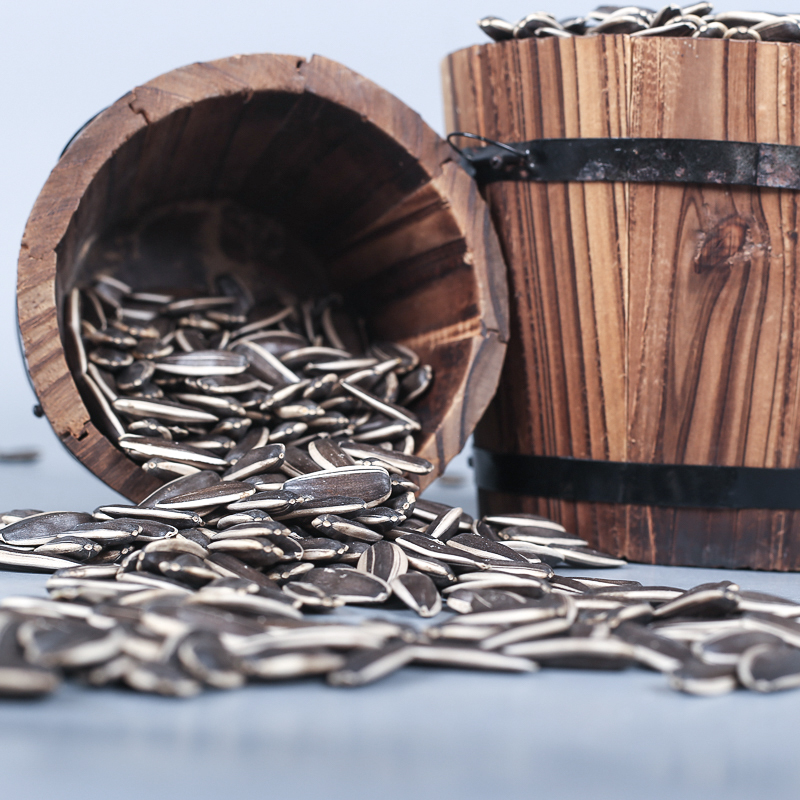
Sunflower seeds 361 363 represent a significant commodity within the global agricultural and food processing industries. Positioned within the oilseed sub-sector, these seeds are primarily valued for their high oil content, utilized in edible oil production, and as a direct consumption snack food. The '361 363' designation likely refers to a specific variety or grading, influencing characteristics such as oil yield, kernel size, and hull composition. Core performance metrics center on oil content (typically 40-55%), protein content (around 20-25%), moisture content (optimized for storage stability, generally below 10%), and absence of aflatoxins and other contaminants. Industry pain points include maintaining consistent seed quality, minimizing mycotoxin contamination, optimizing oil extraction efficiency, and navigating fluctuating global commodity prices. This technical guide will provide an in-depth analysis of sunflower seed 361 363, covering material science, manufacturing processes, performance characteristics, potential failure modes, and relevant industry standards.
Material Science & Manufacturing
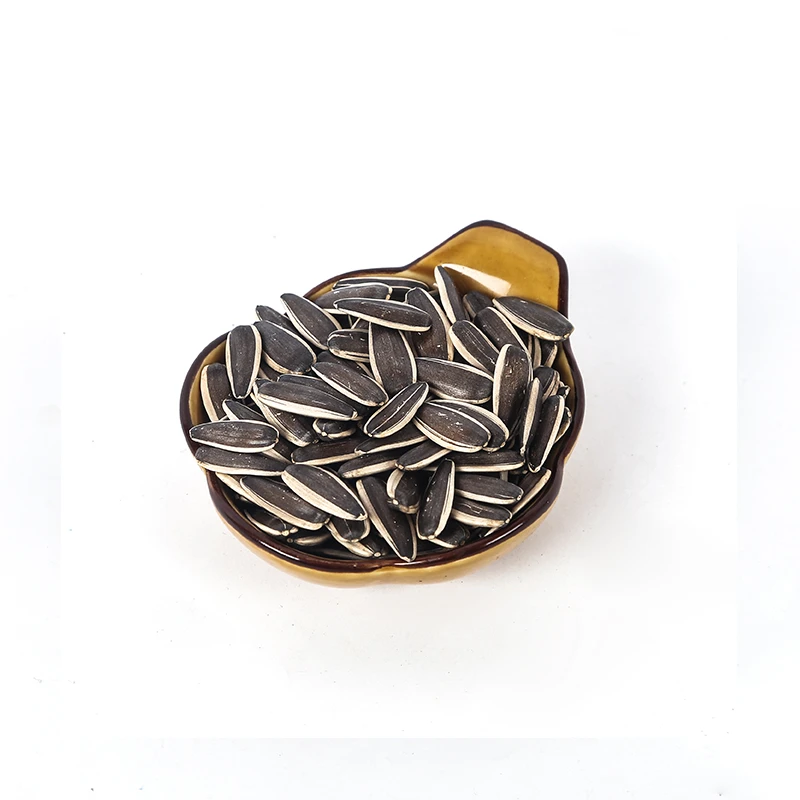
The primary raw material, Helianthus annuus seeds, are comprised of a hull (pericarp), kernel (cotyledon), and embryo. The hull constitutes approximately 20-30% of the seed mass, providing physical protection. The kernel, rich in lipids, proteins, and carbohydrates, is the economically valuable portion. Chemically, the oil is primarily composed of linoleic acid (around 60-70%), oleic acid (20-30%), and palmitic acid (around 5%). Protein content is dominated by globulins and albumins. Manufacturing begins with field cultivation, focusing on optimized fertilization, irrigation, and pest control to maximize yield and oil content. Post-harvest processing involves cleaning, drying (to approximately 8-9% moisture content to prevent fungal growth), dehulling (mechanical removal of the hull), and grading based on kernel size and quality. Oil extraction is typically achieved through mechanical pressing (expelling) or solvent extraction (using hexane), followed by refining, bleaching, and deodorizing (RBD) to produce edible oil. Key parameter control during drying is crucial; excessive temperatures can denature proteins and reduce oil quality. Dehulling efficiency impacts oil yield and kernel purity. Solvent residue levels in the oil must be tightly controlled to meet food safety regulations. Furthermore, specialized sorting technologies, including optical sorters, are increasingly employed to remove discolored or damaged seeds. Seed variety, climate, and soil composition significantly influence oil fatty acid profile and protein content.
Performance & Engineering
Performance analysis of sunflower seeds 361 363 involves assessing several critical parameters. Shear force required to dehull the seeds is a key engineering consideration, influencing the efficiency and energy consumption of dehulling machinery. Tensile strength of the hull is relevant to minimizing breakage during handling and processing. Environmental resistance, specifically moisture absorption and permeability, dictates storage stability and susceptibility to fungal growth. The oil's oxidative stability, measured by rancidity tests, is crucial for determining shelf life. Compliance requirements include adherence to maximum allowable levels of heavy metals (lead, cadmium, mercury), pesticides, and mycotoxins (aflatoxins, ochratoxin A) as stipulated by national and international food safety authorities. Functional implementation centers around optimizing oil extraction yields and ensuring the quality of the extracted oil. This necessitates precise control of pressing parameters (pressure, temperature, speed) or solvent-to-seed ratios. Furthermore, the kernel's physical integrity during processing – minimizing fines and broken kernels – directly impacts oil recovery and product quality. Engineering considerations also extend to the design of storage facilities to maintain optimal temperature and humidity levels, preventing spoilage and preserving oil quality.
Technical Specifications
| Parameter | Unit | Specification (Typical 361 363) | Testing Method |
|---|---|---|---|
| Oil Content (Dry Basis) | % | 48 – 54 | Soxhlet Extraction (AOCS Official Method) |
| Protein Content (Dry Basis) | % | 21 – 27 | Kjeldahl Method (AOCS Official Method) |
| Moisture Content | % | ≤ 9.0 | Oven Drying Method (AACC Method) |
| Hull Content | % | 15 – 25 | Visual Inspection & Weight Loss |
| Kernel Size (Diameter) | mm | 12 – 16 | Sieve Analysis |
| Aflatoxin B1 | ppb | ≤ 2 | HPLC-Fluorescence |
Failure Mode & Maintenance
Sunflower seeds 361 363 are susceptible to several failure modes. Fungal infection, particularly by Aspergillus species, leading to aflatoxin contamination, is a major concern, especially during storage under high humidity. This results in product rejection and potential health hazards. Mechanical damage during harvesting or processing (cracking, chipping) reduces oil yield and kernel quality. Lipid oxidation, leading to rancidity, degrades oil quality over time, particularly if exposed to oxygen, light, or elevated temperatures. Hull fragments contaminating the kernel reduce product purity and can affect oil refining processes. Maintenance strategies include implementing rigorous quality control measures throughout the supply chain, employing proper storage conditions (low temperature, low humidity, dark environment), utilizing antifungal treatments (where permitted by regulations), and implementing regular cleaning and sanitation protocols for processing equipment. Preventative maintenance of dehulling and oil extraction machinery, including bearing lubrication and belt tension adjustment, minimizes mechanical damage. Regular monitoring of oil quality parameters (peroxide value, acid value) is essential for detecting and mitigating oxidation. Furthermore, seed treatment with protective coatings can minimize mechanical damage during handling and storage.
Industry FAQ
Q: What is the typical shelf life of sunflower seeds 361 363 under optimal storage conditions?
A: Under optimal storage conditions (temperature below 15°C, relative humidity below 65%, dark environment), sunflower seeds 361 363 can maintain their quality for up to 12-18 months. However, regular monitoring of moisture content and oil quality is crucial, as shelf life can be reduced by unfavorable conditions.
Q: How does the variety ‘361 363’ compare to other common sunflower seed varieties in terms of oil yield?
A: Variety 361 363 generally exhibits a higher oil content (48-54%) compared to older varieties, which typically range from 40-48%. It’s also selected for a higher linoleic acid content, which is desirable for certain edible oil applications. However, specific yields can vary depending on growing conditions and agricultural practices.
Q: What are the key indicators of aflatoxin contamination, and how can it be reliably detected?
A: Visual indicators of aflatoxin contamination include discolored kernels and the presence of mold. However, reliable detection requires laboratory analysis using methods such as HPLC-Fluorescence or ELISA. Regular sampling and testing are essential for ensuring product safety.
Q: What impact does the dehulling process have on the final oil yield, and how can efficiency be maximized?
A: The dehulling process significantly impacts oil yield. Incomplete dehulling leaves hull fragments attached to the kernel, reducing oil content and requiring additional processing. Maximizing efficiency involves optimizing dehulling machine settings (impact force, clearance), controlling seed moisture content, and employing pre-cleaning to remove foreign material.
Q: What are the regulatory limits for pesticide residues in sunflower seeds, and how can suppliers demonstrate compliance?
A: Regulatory limits for pesticide residues vary depending on the importing country. Suppliers must demonstrate compliance by providing certificates of analysis from accredited laboratories, verifying that pesticide residue levels are below the maximum allowable limits established by regulatory authorities such as the EPA (US) or EFSA (Europe).
Conclusion
Sunflower seeds 361 363 represent a commercially important oilseed crop with a well-defined set of material properties and processing requirements. Understanding the interplay between seed composition, manufacturing processes, and environmental factors is critical for maintaining product quality, maximizing oil yield, and ensuring compliance with food safety regulations. The careful control of moisture content, effective dehulling techniques, and rigorous quality control measures are paramount throughout the supply chain.
Future advancements in sunflower seed breeding programs will likely focus on enhancing oil content, improving fatty acid profiles, increasing disease resistance, and optimizing kernel characteristics for efficient processing. Implementing advanced sorting technologies and improving storage practices will further mitigate the risk of contamination and degradation, ensuring the continued viability of sunflower seeds 361 363 as a key ingredient in the global food and oilseed industries.
