Introduction
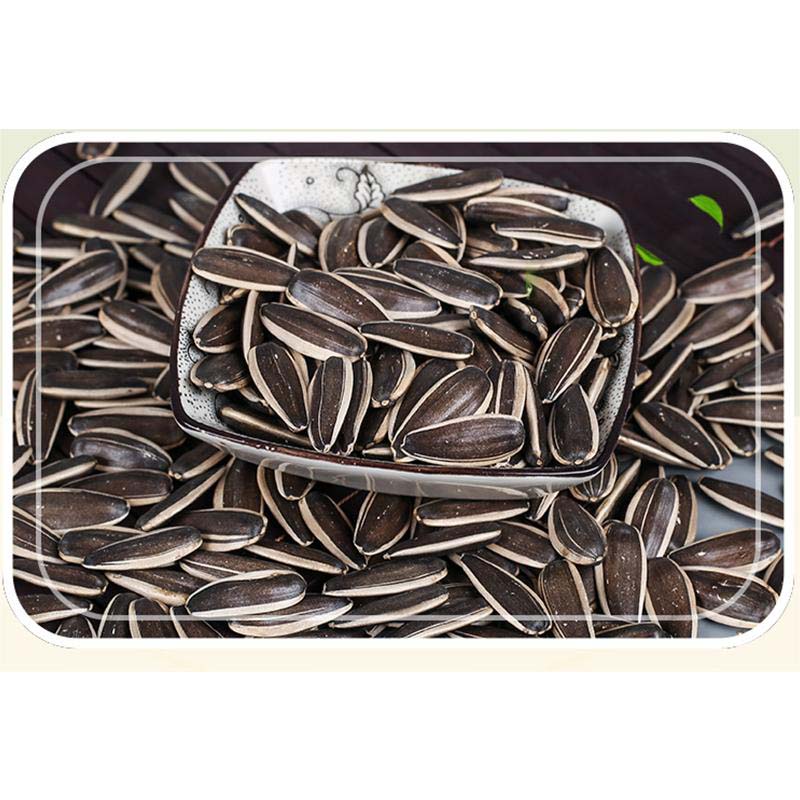
Sunflower seeds, packaged in 20kg units, represent a significant commodity within the agricultural and food processing sectors. This technical guide details the characteristics, production, quality control, and potential degradation pathways of these seeds, crucial for procurement managers, food scientists, and quality assurance professionals. Sunflower seeds ( Helianthus annuus) serve as both a direct human food source and a vital component in oil extraction, animal feed, and confectionery products. Understanding their composition, handling requirements, and susceptibility to various environmental factors is paramount for maintaining product integrity and maximizing economic value. This document aims to provide a comprehensive overview, covering aspects from botanical origins and post-harvest processing to long-term storage and potential failure modes.
Material Science & Manufacturing
The primary material science of sunflower seeds centers around their complex biochemical composition. The seed comprises approximately 35-50% oil, primarily linoleic acid (an omega-6 fatty acid), with oleic acid also present in varying proportions depending on the cultivar. Proteins constitute 15-25%, largely globulins and albumins, essential for nutritional value. Carbohydrates (around 15-20%) are primarily structural polysaccharides within the hull and kernel. The hull (pericarp) is composed of cellulose, hemicellulose, and lignin, providing physical protection. Manufacturing begins with agricultural cultivation, focusing on hybrid seed varieties selected for oil content, yield, and disease resistance. Harvesting is typically mechanical, followed by cleaning to remove debris (stalks, leaves, and other seeds). Drying is a critical step, reducing moisture content from approximately 30% to 8-10% to inhibit microbial growth and enzymatic activity. This is often achieved using forced-air drying systems, carefully controlling temperature (typically below 45°C) to prevent protein denaturation and oil oxidation. De-hulling is frequently employed, separating the kernel from the hull, either mechanically or chemically, depending on the intended end-use. Grading by size and density is conducted to ensure uniformity. Packaging into 20kg units commonly utilizes polypropylene (PP) woven bags with polyethylene (PE) liners to provide a moisture barrier. Parameter control during drying, de-hulling, and packaging is vital, with moisture content, hull damage, and foreign material contamination being key quality indicators.
Performance & Engineering
Performance of sunflower seeds as a commodity is largely dictated by their oil yield and protein content. The oil extraction process, typically employing solvent extraction (hexane) or mechanical pressing, requires seeds with optimal oil body rupture during processing. Kernel hardness, determined by structural composition, influences milling efficiency and oil release. Environmental resistance primarily concerns moisture absorption and lipid oxidation. The water activity (aw) of sunflower seeds influences microbial stability; maintaining aw below 0.6 is crucial for long-term storage. Lipid oxidation, catalyzed by enzymes (lipoxygenases) and accelerated by heat, light, and oxygen, leads to rancidity and a decline in nutritional value. Packaging materials with low oxygen transmission rates (OTR) are thus essential. Compliance requirements include adherence to national and international food safety standards (e.g., Codex Alimentarius), regulations on pesticide residues, and mycotoxin limits (aflatoxins, specifically). Force analysis relevant to handling and transport focuses on the compressive strength of the seed kernels and the tensile strength of the packaging material. The packaging must withstand stacking loads during transport and storage without rupture. Furthermore, seed flowability during processing necessitates consideration of particle size distribution and surface friction properties.
Technical Specifications
| Parameter | Unit | Typical Value | Acceptable Range |
|---|---|---|---|
| Oil Content (Dry Basis) | % | 42 | 38-48 |
| Protein Content (Dry Basis) | % | 20 | 18-24 |
| Moisture Content | % | 8.5 | 6-10 |
| Kernel Hardness (Compression) | N | 250 | 200-300 |
| Free Fatty Acid (FFA) | % Oleic Acid | 0.8 | <1.2 |
| Peroxide Value (PV) | meq O2/kg | 4 | <6 |
Failure Mode & Maintenance
Sunflower seeds are susceptible to several failure modes. Lipid oxidation is a primary degradation pathway, leading to rancidity, off-flavors, and a reduction in nutritional value. This manifests as an increased peroxide value and the formation of volatile aldehydes. Mycotoxin contamination, particularly by Aspergillus species producing aflatoxins, is a serious concern, especially in humid storage conditions. Physical damage during handling (kernel cracking, hull abrasion) increases susceptibility to insect infestation and microbial spoilage. Insect infestation (e.g., Sitophilus oryzae – rice weevil) can cause significant losses through direct consumption and secondary microbial contamination. Maintenance strategies focus on proper storage conditions: cool, dry, and dark environments (temperature below 15°C, relative humidity below 60%). The use of modified atmosphere packaging (MAP) with reduced oxygen levels can inhibit lipid oxidation and insect activity. Regular monitoring for moisture content, FFA, peroxide value, and aflatoxin levels is essential. Implementation of a robust pest control program, including sanitation and the use of insect traps, is crucial. First-in, first-out (FIFO) inventory management minimizes storage time. Damaged seeds should be removed and discarded to prevent contamination of the bulk.
Industry FAQ
Q: What is the acceptable level of aflatoxin contamination in sunflower seeds intended for human consumption?
A: The acceptable level of total aflatoxins in sunflower seeds varies depending on the importing country’s regulations. However, most international standards, including those established by the European Union and the US FDA, generally limit total aflatoxins to a maximum of 2-4 parts per billion (ppb). Regular testing is critical to ensure compliance.
Q: How does the cultivar of sunflower seeds impact their oil quality and storage stability?
A: Different sunflower seed cultivars exhibit varying fatty acid profiles. High-oleic cultivars, containing primarily oleic acid, are more resistant to oxidation and have a longer shelf life compared to linoleic cultivars. Cultivar selection is therefore a key factor in determining the final product’s quality and storage stability.
Q: What is the impact of moisture content on the storage life of sunflower seeds?
A: Moisture content is a critical factor affecting storage life. Higher moisture levels promote microbial growth (molds, bacteria) and accelerate enzymatic activity, leading to lipid oxidation and degradation. Maintaining a moisture content below 8-10% is crucial for long-term storage, ideally below 7% for extended periods.
Q: What packaging materials are most effective in preventing rancidity in sunflower seeds?
A: Packaging materials with low oxygen permeability and moisture vapor transmission rates (MVTR) are essential. Multi-layer films incorporating aluminum foil or EVOH (ethylene vinyl alcohol) provide excellent barrier properties. Modified atmosphere packaging (MAP) with nitrogen flushing further reduces oxygen levels, inhibiting oxidation.
Q: What steps should be taken if a shipment of sunflower seeds arrives with visible signs of insect infestation?
A: If insect infestation is detected, the shipment should be quarantined immediately. A thorough inspection should be conducted to assess the extent of the infestation. Contact the supplier and relevant regulatory authorities. The infested lot should not be used for human or animal consumption. Disposal should follow local regulations.
Conclusion
Sunflower seeds, packaged in 20kg units, are a complex agricultural commodity whose quality and stability are governed by a multitude of factors. From the initial agricultural practices and drying processes to the packaging materials employed and subsequent storage conditions, each stage necessitates careful control. Understanding the material science – the interplay of oils, proteins, and carbohydrates – is vital for predicting and mitigating degradation pathways, such as lipid oxidation and mycotoxin contamination.
Effective quality assurance programs must incorporate regular monitoring of critical parameters like moisture content, oil quality (FFA, peroxide value), and aflatoxin levels. The selection of appropriate packaging materials, coupled with optimal storage conditions (low temperature, low humidity, reduced oxygen), is paramount to preserving product integrity and extending shelf life. Adherence to international standards and proactive risk management are essential for ensuring the consistent supply of high-quality sunflower seeds to meet global demand.
