Introduction
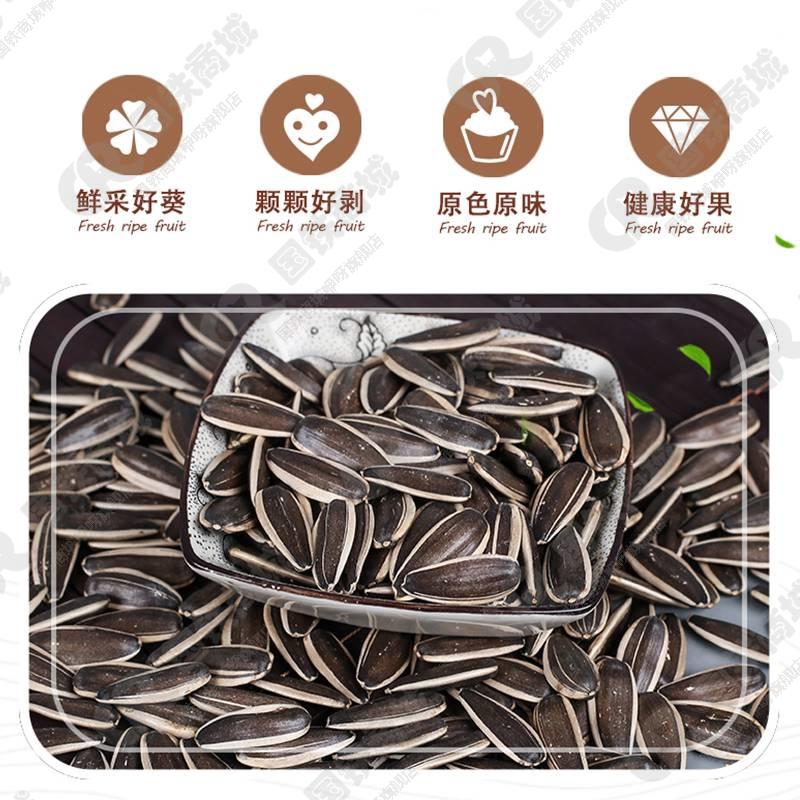
Sunflower seed snacks represent a significant segment within the broader snack food industry, positioned as a convenient, relatively healthy, and versatile product. Technically, they consist of the kernel of the Helianthus annuus plant, processed and often flavored for direct consumption. The industry chain extends from agricultural cultivation and seed selection, through cleaning, dehulling, roasting or drying, flavoring application, packaging, and finally, distribution to retail channels. Core performance characteristics of sunflower seed snacks center around palatability (flavor profile, texture), nutritional value (fat content, protein, vitamins, minerals), shelf life (stability against rancidity and microbial growth), and physical integrity (minimizing broken or damaged kernels). A primary industry pain point revolves around controlling acrylamide formation during roasting, managing oil migration leading to rancidity, and ensuring consistent seed quality from variable agricultural yields. Further challenges include maintaining competitive pricing while addressing consumer demand for organic and non-GMO options.
Material Science & Manufacturing
The primary raw material, sunflower seeds, comprises a complex matrix of lipids (35-50% by weight, predominantly linoleic acid), proteins (18-25%), carbohydrates (15-20%, largely structural polysaccharides in the hull), and moisture (typically 8-12%). Seed quality significantly impacts the final product. Oil content varies depending on the cultivar; high-oleic varieties are favored for improved oxidative stability. The manufacturing process begins with cleaning and foreign material removal. Dehulling is critical; incomplete dehulling impacts texture and consumer acceptance. Roasting, typically conducted between 120-180°C, develops flavor and reduces moisture content. This stage is critical for acrylamide formation, influenced by temperature, moisture, and seed amino acid content (particularly asparagine). Alternative drying methods, like air drying, minimize acrylamide but may compromise flavor development. Flavor application involves tumbling the roasted seeds with seasoning blends, often utilizing vegetable oils as carriers. Packaging, typically in flexible films (BOPP, PET/PE laminates), necessitates barrier properties to oxygen and moisture. Parameter control during roasting is paramount: maintaining uniform temperature distribution, monitoring seed color (using spectrophotometry), and controlling roasting time are essential for consistent quality and safety. Chemical compatibility between the seed oil and packaging materials must also be considered to prevent off-flavor development due to migration.
Performance & Engineering
The performance of sunflower seed snacks relates directly to their structural integrity and resistance to environmental factors. Force analysis reveals that the shell strength (even partially present) dictates the effort required for consumers to crack and access the kernel. Kernel hardness, influenced by protein content and roasting conditions, affects the eating experience. Environmental resistance primarily concerns oxidation of unsaturated fatty acids, leading to rancidity. This is quantified using peroxide value (PV) and anisidine value (AV) measurements, with lower values indicating better oxidative stability. Packaging materials play a crucial role in mitigating oxidation by providing an oxygen barrier. Compliance requirements include adherence to food safety regulations (FDA in the US, EFSA in Europe) regarding permissible levels of acrylamide, heavy metals (lead, cadmium), and pesticide residues. Shelf-life studies, utilizing accelerated aging tests (elevated temperature and humidity), are essential to determine product stability and establish “best before” dates. Furthermore, the particle size distribution of the seasoning blend impacts adhesion to the seed surface and contributes to sensory perception. Moisture content control is critical, as excessive moisture promotes microbial growth and caking.
Technical Specifications
| Parameter | Specification | Test Method | Criticality |
|---|---|---|---|
| Moisture Content | ≤ 8.0% | AOAC 925.10 | High |
| Oil Content | 40-50% | Soxhlet Extraction (AOAC 920.39) | High |
| Peroxide Value (PV) | ≤ 5.0 meq O2/kg | AOCS Cd 8-53 | High |
| Acrylamide Content | ≤ 2.0 ppm | GC-MS (AOCS Ch 6.4) | Critical |
| Broken Kernel Ratio | ≤ 5.0% | Visual Inspection/Sieving | Medium |
| Foreign Material | ≤ 0.1% | Visual Inspection | Critical |
Failure Mode & Maintenance
Sunflower seed snacks are susceptible to several failure modes. Rancidity, caused by lipid oxidation, is a primary concern, leading to off-flavors and reduced palatability. This is accelerated by exposure to oxygen, light, and elevated temperatures. Another failure mode is shell fragmentation and kernel damage during processing and handling, impacting texture and presentation. Microbial spoilage, though less common with proper processing and packaging, can occur if moisture content is too high or packaging integrity is compromised. Acrylamide formation, while a safety concern rather than a functional failure, degrades product quality and poses health risks. Maintenance focuses on preventing these failures. Proper storage (cool, dry, dark conditions) is crucial. Packaging materials with high oxygen barriers are essential. Regular monitoring of peroxide value and acrylamide content during shelf-life studies is vital. Equipment maintenance to minimize kernel damage during dehulling and roasting is also key. Preventive maintenance schedules for roasting equipment, including temperature calibration and airflow verification, are critical for ensuring consistent product quality and minimizing acrylamide formation. Furthermore, a robust quality control system encompassing raw material inspection, in-process monitoring, and finished product testing is necessary.
Industry FAQ
Q: What are the key factors influencing acrylamide formation during sunflower seed roasting?
A: Acrylamide formation is primarily influenced by roasting temperature, time, moisture content, and the concentration of asparagine (an amino acid) in the seeds. Higher temperatures and longer roasting times generally lead to increased acrylamide levels. Lower moisture content and higher asparagine concentrations also contribute. Utilizing high-oleic sunflower varieties, optimizing roasting parameters (lower temperature, shorter time, higher moisture), and potentially employing asparaginase enzymes can mitigate acrylamide formation.
Q: How can the shelf life of sunflower seed snacks be extended?
A: Extending shelf life requires minimizing lipid oxidation and moisture uptake. This can be achieved through several strategies: utilizing high-oleic sunflower seeds, employing packaging materials with excellent oxygen and moisture barrier properties (e.g., metallized films, multilayer laminates), adding antioxidants (e.g., vitamin E, rosemary extract), and maintaining optimal storage conditions (cool, dry, dark environment). Nitrogen flushing during packaging can also displace oxygen.
Q: What are the typical foreign material specifications and how are they controlled?
A: Typical foreign material specifications are ≤ 0.1% by weight. Control involves rigorous raw material inspection, utilizing screens and optical sorters to remove debris, and implementing strict hygiene protocols throughout the processing line. Metal detectors are also essential to identify and remove metallic contaminants.
Q: What is the role of oil content in the overall quality of sunflower seed snacks?
A: Oil content significantly impacts flavor, texture, and mouthfeel. An optimal oil content (typically 40-50%) provides a desirable balance. Lower oil content can result in a dry and less flavorful product, while excessively high oil content can lead to a greasy texture and increased susceptibility to rancidity. The type of oil (high-oleic vs. linoleic) also influences oxidative stability.
Q: What packaging materials are most suitable for sunflower seed snacks and why?
A: Flexible packaging laminates comprising PET/PE or BOPP/PE, often with a metallized layer, are commonly used. These materials offer excellent oxygen and moisture barrier properties, protecting the seeds from rancidity and maintaining crispness. The metallized layer reflects light, further reducing oxidation. Packaging material thickness and seal integrity are also critical considerations.
Conclusion
Sunflower seed snacks present a complex interplay of material science, manufacturing processes, and quality control parameters. Achieving optimal product performance – in terms of flavor, texture, nutritional value, and shelf life – necessitates a comprehensive understanding of seed composition, roasting kinetics, oxidation mechanisms, and packaging technology. Effective mitigation of acrylamide formation and rancidity remains a key industry challenge.
Future developments are likely to focus on novel roasting techniques that minimize acrylamide while preserving desirable flavors, the utilization of biodegradable and compostable packaging materials to address sustainability concerns, and the development of sunflower seed cultivars with enhanced oxidative stability and improved agronomic characteristics. A continued emphasis on rigorous quality control and adherence to evolving food safety regulations will remain paramount for ensuring consumer confidence and market success.
