Introduction
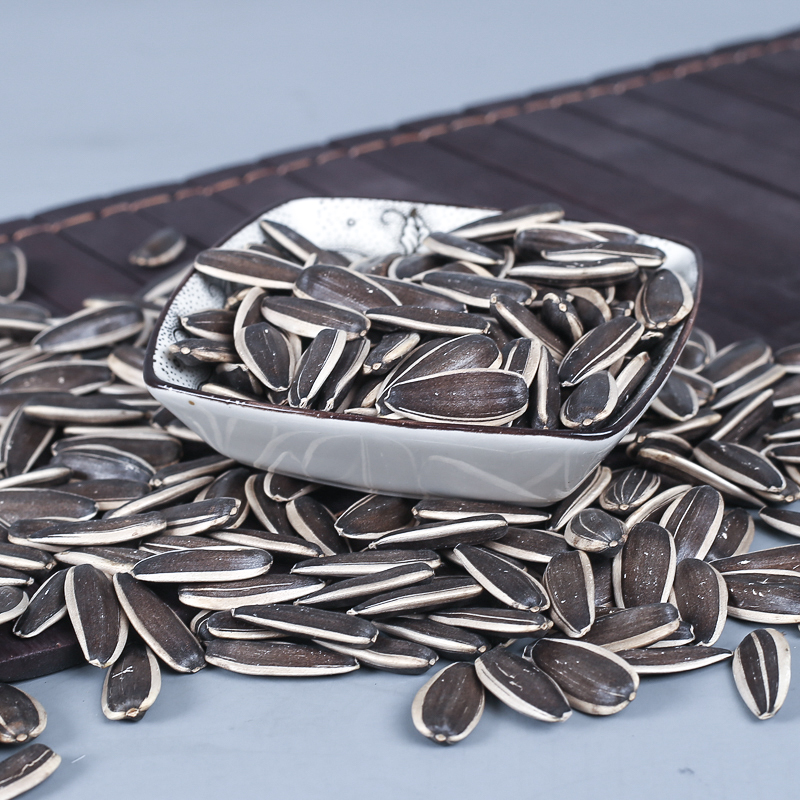
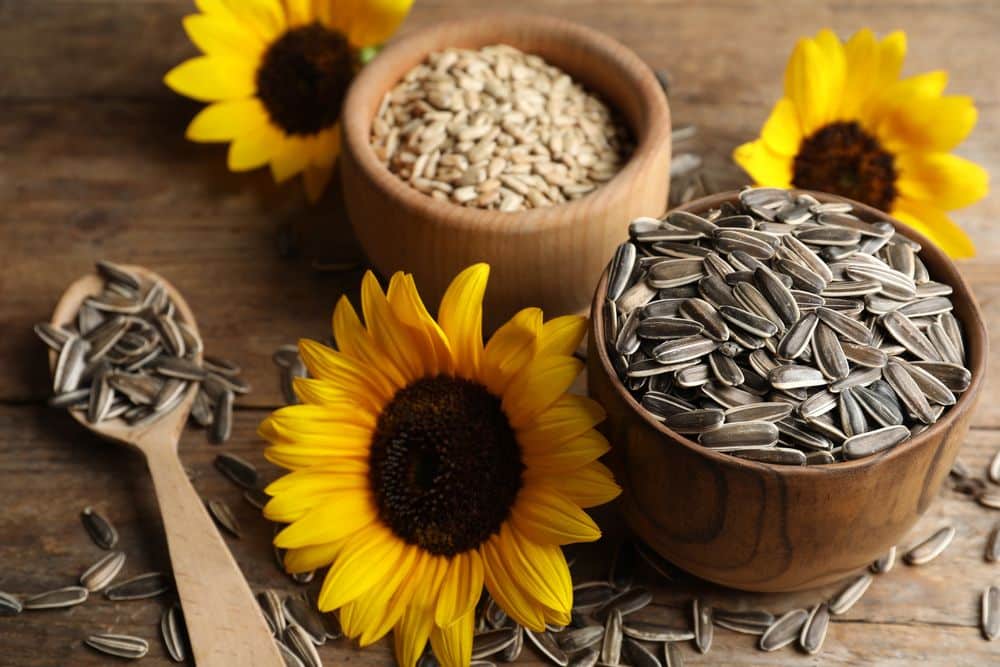
Sunflower seeds, particularly those bred for high Vitamin E content, represent a significant commodity within the functional food and nutraceutical industries. Technically classified as Helianthus annuus, the seed’s role extends beyond direct consumption to encompass oil extraction and use as a protein-rich component in animal feed. Vitamin E, primarily α-tocopherol, acts as a potent antioxidant, driving demand in markets focused on preventative health and anti-aging products. This guide provides an in-depth analysis of sunflower seed composition, manufacturing processes impacting Vitamin E retention, performance characteristics relevant to industrial applications (oil yield, protein content), prevalent failure modes impacting quality, and the governing industry standards. A key pain point in the industry stems from inconsistent Vitamin E levels due to variable growing conditions and processing methodologies, necessitating robust quality control and standardization.
Material Science & Manufacturing
The primary constituents of sunflower seeds are lipids (35-58%), protein (18-25%), carbohydrates (15-25%), and fiber (5-10%), with minor components including vitamins (especially Vitamin E), minerals, and phenolic compounds. Vitamin E exists within the seed primarily as α-, β-, γ-, and δ-tocopherols, with α-tocopherol being the most biologically active and commercially valuable. Manufacturing begins with harvesting and drying to reduce moisture content (typically to 8-10%) to prevent fungal growth and enzymatic degradation of lipids and Vitamin E. Dehulling is a critical step, typically employing mechanical abrasion or impact methods. Parameters such as impact velocity and abrasion intensity directly influence kernel damage and subsequent oil leakage, impacting both yield and Vitamin E retention. Further processing involves cleaning, sizing, and often heat treatment (e.g., extrusion) for improved digestibility or palatability. Oil extraction is predominantly achieved through mechanical pressing (cold pressing retaining more Vitamin E but yielding less oil) or solvent extraction (using hexane, which requires stringent post-extraction refining to remove residual solvent). The refining process – degumming, neutralization, bleaching, and deodorization – can significantly reduce Vitamin E content if not carefully controlled, particularly during the bleaching stage where high temperatures and adsorbents are used. Maintaining low oxygen exposure throughout processing is paramount to minimizing Vitamin E oxidation.
Performance & Engineering
The performance of sunflower seeds, particularly concerning Vitamin E stability, is heavily influenced by storage conditions and packaging. Vitamin E is susceptible to oxidation initiated by exposure to oxygen, light, and heat. Force analysis during handling (e.g., during packaging or transport) reveals potential for kernel breakage, increasing surface area and accelerating oxidation. Environmental resistance, specifically moisture permeability of packaging materials, is crucial. High humidity can promote lipid hydrolysis and microbial growth, both contributing to Vitamin E degradation. Compliance requirements vary by region but generally adhere to regulations set by food safety authorities (e.g., FDA in the US, EFSA in Europe). These regulations specify permissible levels of contaminants (e.g., heavy metals, mycotoxins) and require accurate labeling of Vitamin E content. Functional implementation considerations include maintaining Vitamin E bioavailability, which is affected by its physical form (free vs. esterified) and the presence of other dietary components. Encapsulation techniques are increasingly employed to protect Vitamin E from degradation and enhance its absorption. The selection of appropriate packaging materials – often multi-layer films incorporating oxygen and moisture barriers – is a critical engineering control parameter.
Technical Specifications
| Parameter | Unit | Typical Range (High Vitamin E Varieties) | Testing Method |
|---|---|---|---|
| Vitamin E Content (α-Tocopherol) | mg/100g | 500-1000 | HPLC-DAD |
| Oil Content | % (dry weight basis) | 42-58 | Soxhlet Extraction |
| Protein Content | % (dry weight basis) | 18-25 | Kjeldahl Method |
| Moisture Content | % | <8 | Oven Drying Method |
| Acid Value | mg KOH/g | <1.5 | Titration |
| Peroxide Value | meq O2/kg | <5 | Iodometric Titration |
Failure Mode & Maintenance
Failure modes in sunflower seeds rich in Vitamin E primarily manifest as a degradation of Vitamin E potency and quality defects impacting commercial value. Oxidation is the most prevalent failure mode, leading to a reduction in α-tocopherol content and the formation of undesirable oxidation products. This is accelerated by prolonged exposure to air, light, and elevated temperatures. Lipid peroxidation, a chain reaction initiated by free radicals, further contributes to quality deterioration, generating rancid flavors and off-odors. Physical damage (cracking, chipping) during handling increases surface area, accelerating oxidation and allowing for moisture ingress, promoting microbial growth. Mycotoxin contamination (e.g., aflatoxins) represents a significant safety hazard, particularly in regions with high humidity. Maintenance strategies focus on preventative measures. Proper storage in cool, dark, and dry conditions, utilizing oxygen-impermeable packaging, is essential. Implementing a robust quality control program, including regular monitoring of Vitamin E content, acid value, peroxide value, and mycotoxin levels, is crucial. Antioxidant addition (e.g., rosemary extract) can enhance Vitamin E stability during processing and storage. Effective pest control measures minimize the risk of fungal contamination.
Industry FAQ
Q: What are the key factors influencing Vitamin E content variation in sunflower seeds?
A: Vitamin E content is significantly influenced by genetic variety, growing conditions (sunlight exposure, soil nutrients), maturity at harvest, and post-harvest handling practices. Hybrid varieties specifically bred for high Vitamin E yield exhibit the most consistent levels. Adequate sunlight exposure during seed development is critical for tocopherol synthesis. Storage conditions, particularly temperature and oxygen exposure, have a pronounced impact on Vitamin E stability.
Q: How does the oil extraction method affect Vitamin E retention?
A: Cold pressing generally retains a higher percentage of Vitamin E compared to solvent extraction. This is because cold pressing avoids the high temperatures and potential oxidative stress associated with solvent extraction and subsequent refining processes. However, cold pressing typically yields lower oil volumes.
Q: What is the role of packaging in preserving Vitamin E in sunflower seeds?
A: Packaging serves as the primary barrier against oxygen, moisture, and light – all factors that contribute to Vitamin E degradation. Multi-layer films incorporating oxygen scavengers and moisture barriers are recommended. Vacuum packaging or modified atmosphere packaging (MAP) using nitrogen flushing can further enhance Vitamin E preservation.
Q: What analytical methods are used to accurately quantify Vitamin E content?
A: High-Performance Liquid Chromatography with Diode Array Detection (HPLC-DAD) is the gold standard for quantifying individual tocopherols (α-, β-, γ-, δ-tocopherol). Gas Chromatography-Mass Spectrometry (GC-MS) can also be used. Sample preparation typically involves solvent extraction, saponification, and derivatization.
Q: What are the regulatory limits for mycotoxin contamination in sunflower seeds?
A: Regulatory limits for aflatoxins and other mycotoxins vary by region. In the EU, the maximum permissible level for total aflatoxins in sunflower seeds is typically 2 ppb. The FDA in the US has similar regulations. Regular testing is essential to ensure compliance with these standards.
Conclusion
Sunflower seeds rich in Vitamin E represent a valuable commodity with increasing demand driven by health and wellness trends. Maintaining high Vitamin E levels requires a holistic approach encompassing optimized breeding programs, careful control of agricultural practices, and meticulous processing and storage techniques. The inherent susceptibility of Vitamin E to oxidation necessitates stringent quality control measures throughout the supply chain, from farm to finished product.
Future developments are likely to focus on enhancing Vitamin E bioavailability through encapsulation technologies and exploring novel packaging materials with improved barrier properties. Further research into genetic factors influencing Vitamin E synthesis will pave the way for breeding even higher-yielding varieties. Adherence to international standards and a commitment to proactive risk management are paramount to ensuring the consistent quality and safety of sunflower seeds in the global market.
