Introduction
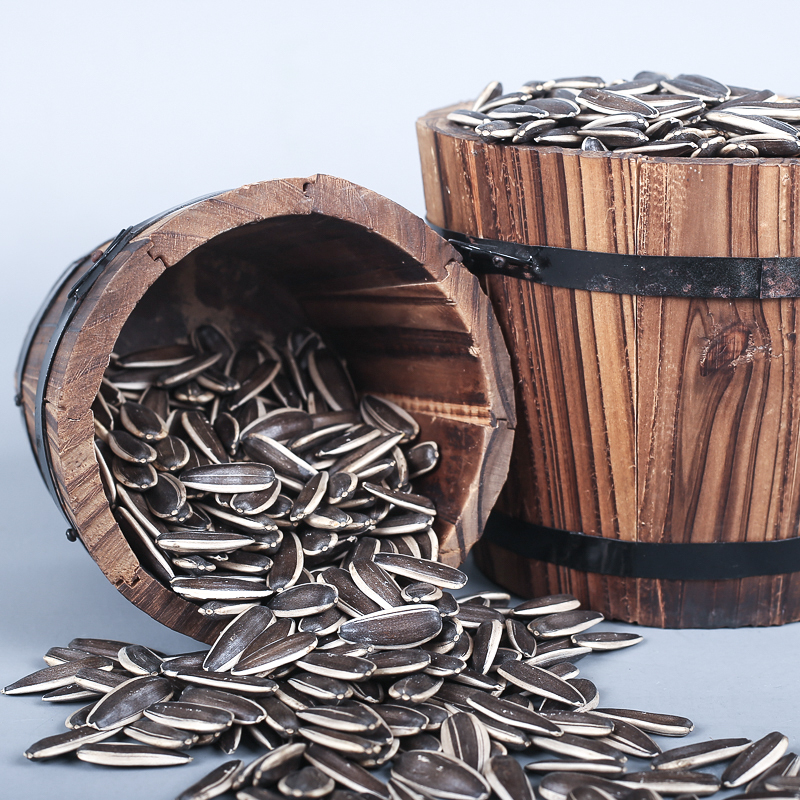
Sunflower seed packets represent a critical component in the agricultural supply chain, functioning as primary containment for viable seed stock destined for cultivation. These packets aren’t merely receptacles; they are engineered systems designed to protect seed integrity throughout storage, transportation, and retail display. Their function transcends simple packaging, directly impacting seed germination rates and subsequent crop yields. The industry faces increasing pressure to optimize packet materials for sustainability, barrier protection against moisture and pests, and cost-effectiveness. Key performance indicators include moisture vapor transmission rate (MVTR), oxygen transmission rate (OTR), tensile strength, and resistance to UV degradation. Successful packet design necessitates a deep understanding of seed physiology, environmental stressors, and material science principles. The construction of these packets spans multiple disciplines, from polymer chemistry to graphic design, making a holistic approach essential. This guide details the material composition, manufacturing processes, performance characteristics, failure modes, and relevant industry standards governing sunflower seed packets.
Material Science & Manufacturing
The predominant material utilized in sunflower seed packet construction is multi-layer flexible packaging film. Typically, this consists of a laminate structure comprising polyethylene terephthalate (PET), aluminum foil, and polyethylene (PE). PET provides tensile strength and printability; aluminum foil offers an excellent barrier against moisture, light, and oxygen; and PE serves as a heat-sealable layer for packet closure. Increasingly, bio-based polymers such as polylactic acid (PLA) are being explored as PE replacements to enhance biodegradability, though these present challenges in terms of barrier properties and cost. The manufacturing process begins with film extrusion, where raw polymer pellets are melted and formed into thin sheets. Aluminum foil is then laminated to the PET layer using adhesive resins, typically polyurethane-based. The PE layer is subsequently laminated to the aluminum foil. Packet formation is achieved through a form-fill-seal (FFS) process. Rollstock film is fed into the machine, formed into the desired packet shape, filled with sunflower seeds utilizing volumetric or gravimetric dosing systems, and then sealed using heat sealing jaws. Critical parameters during FFS include sealing temperature, pressure, and dwell time. Inconsistent sealing can lead to breaches in the barrier protection. Ink selection for printing is also vital. Flexographic or rotogravure printing utilizes inks formulated to adhere to the PET surface without compromising the film’s integrity. UV-cured inks are commonly employed for their fast drying times and durability. Seed treatment with fungicides or insecticides prior to packaging necessitates compatibility testing between the seed coating and the packet materials to prevent chemical degradation.
Performance & Engineering
The primary engineering challenge in sunflower seed packet design is maintaining seed viability during extended storage periods. This is dictated by controlling the internal packet environment. Moisture content within the packet is paramount; excess moisture promotes fungal growth and reduces germination rates, while insufficient moisture leads to seed desiccation. The OTR and MVTR of the laminate structure are therefore critical parameters. These are typically specified based on the seed’s sensitivity to oxygen and moisture, as determined by seed physiology studies. Tensile strength and tear resistance are important for handling during filling, transportation, and retail display. Packets must withstand the stresses associated with automated handling systems without rupturing. Furthermore, the packet design must account for UV exposure during storage and display. UV radiation degrades polymers, reducing their barrier properties and structural integrity. Therefore, UV absorbers are often incorporated into the PET or PE layers. Force analysis is performed to determine the optimal film thickness and laminate structure to meet the required performance criteria. Compliance requirements vary by region, with regulations governing seed labeling, packaging materials, and pesticide residue limits. Packet dimensions are also engineered to optimize space utilization during transportation and storage. Finite element analysis (FEA) can be used to model packet behavior under various loading conditions.
Technical Specifications
| Parameter | Unit | Typical Value (Standard Packet) | Bio-Based Alternative |
|---|---|---|---|
| Oxygen Transmission Rate (OTR) | cc/m²/day | <5 | 10-15 |
| Moisture Vapor Transmission Rate (MVTR) | g/m²/day | <3 | 5-8 |
| Tensile Strength (MD) | MPa | 25-35 | 20-30 |
| Tensile Strength (TD) | MPa | 20-30 | 18-28 |
| Elmendorf Tear Resistance | g | >500 | >400 |
| Film Thickness (Total) | µm | 80-100 | 90-120 |
Failure Mode & Maintenance
Sunflower seed packet failure can manifest in several ways. Pinholes or micro-cracks in the laminate structure, often resulting from handling damage or manufacturing defects, lead to breaches in barrier protection, allowing moisture and oxygen ingress. Delamination of the laminate layers occurs when the adhesive bond between layers weakens, usually due to environmental stressors (temperature fluctuations, humidity) or incompatible materials. Seal failures are common, particularly in high-humidity environments, resulting in seed leakage and loss of viability. UV degradation causes embrittlement of the PET and PE layers, reducing tensile strength and increasing susceptibility to tearing. Chemical degradation can occur if the seed treatment is incompatible with the packet materials, leading to discoloration and loss of barrier properties. Maintenance, in this context, refers to proper storage conditions. Packets should be stored in cool, dry environments, away from direct sunlight. Preventative measures include robust quality control during manufacturing, utilizing materials with high barrier properties, and implementing protective packaging during transportation. Regular inspection of stored packets for signs of damage (pinholes, delamination, seal failures) is crucial. Damaged packets should be isolated to prevent contamination of unaffected stock. Long-term storage requires monitoring of seed viability to assess the effectiveness of the packaging.
Industry FAQ
Q: What is the impact of aluminum foil thickness on barrier properties and overall cost?
A: Increasing aluminum foil thickness enhances barrier properties (OTR and MVTR), but also significantly increases material cost and weight. Optimizing foil thickness requires a trade-off analysis considering seed sensitivity to oxygen and moisture, storage duration, and economic constraints. Thin-gauge foils (9µm) provide adequate protection for short-term storage, while thicker foils (18-20µm) are recommended for extended storage or sensitive seed varieties.
Q: How does the choice of adhesive affect the long-term integrity of the laminate structure?
A: The adhesive is a critical component. Polyurethane-based adhesives offer excellent adhesion and flexibility, but can be susceptible to hydrolysis under high humidity. Acrylic adhesives provide better moisture resistance but may have lower adhesion strength. The adhesive must be compatible with all laminate layers and exhibit long-term stability under anticipated storage conditions.
Q: What are the challenges associated with using bio-based polymers in sunflower seed packets?
A: Bio-based polymers like PLA offer environmental benefits, but generally exhibit lower barrier properties (MVTR and OTR) compared to conventional polymers. They can also be more expensive and have limited heat resistance, potentially impacting sealing performance. Blending bio-based polymers with other materials or applying barrier coatings can mitigate these limitations.
Q: What quality control measures are essential during the form-fill-seal process?
A: Critical quality control measures include monitoring sealing temperature, pressure, and dwell time; inspecting seal integrity using non-destructive testing methods (e.g., dye penetration tests); and verifying packet weight accuracy. Regular calibration of sealing equipment is also essential. Statistical process control (SPC) should be implemented to identify and address process variations.
Q: How can we assess the shelf life of sunflower seeds packaged in a new packet design?
A: Accelerated shelf-life testing (ASLT) is commonly used. Seeds are stored under elevated temperature and humidity conditions, and germination rates are monitored over time. The results are extrapolated to predict shelf life under normal storage conditions. Real-time shelf-life testing, involving storage under normal conditions and periodic germination testing, provides more accurate results but requires a longer timeframe.
Conclusion
Sunflower seed packet design is a multifaceted engineering challenge requiring a comprehensive understanding of material science, manufacturing processes, and seed physiology. Optimizing packet performance necessitates a careful balance between barrier properties, mechanical strength, cost-effectiveness, and environmental sustainability. The selection of appropriate materials, precise control of manufacturing parameters, and rigorous quality control are essential for maintaining seed viability and ensuring successful crop establishment.
Future developments will likely focus on enhanced barrier coatings, bio-based and biodegradable materials, and intelligent packaging technologies that incorporate sensors to monitor internal packet conditions. Continued research into seed respiration rates and moisture requirements will further refine packet design and optimize storage conditions, ultimately contributing to increased agricultural productivity and reduced food waste. The adoption of circular economy principles, focusing on recyclability and compostability, will also be crucial for minimizing the environmental impact of sunflower seed packaging.
