Introduction
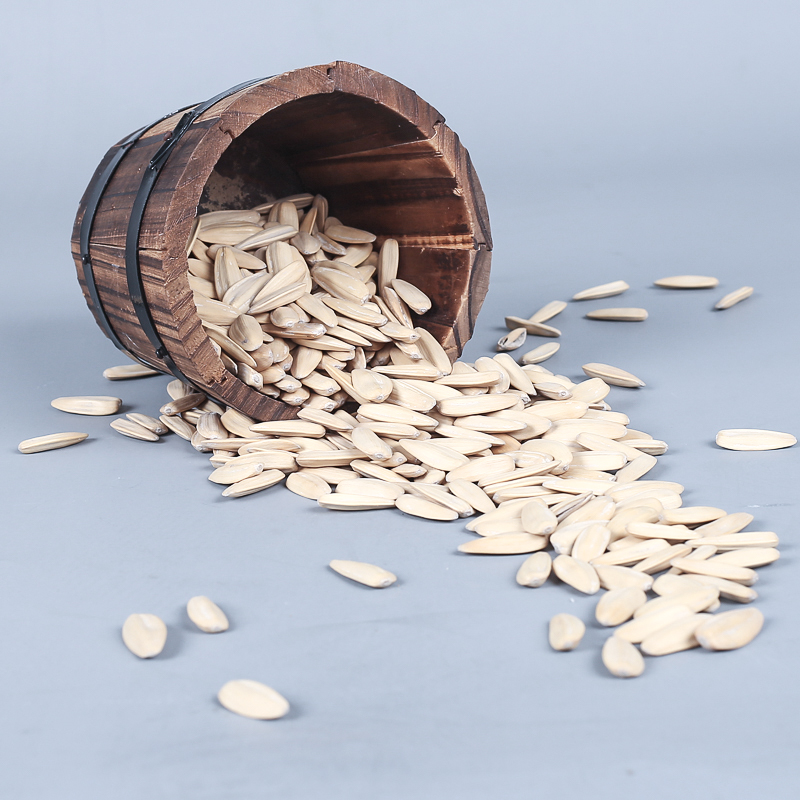
Sunflower seed kernels for cakes represent a specialized grade of Helianthus annuus seeds, selected and processed for optimal inclusion in baked goods, specifically cakes. These kernels are distinct from oilseed-grade sunflower seeds due to their higher protein and fat content, lower hull percentage, and consistent kernel size. Within the food ingredient supply chain, they occupy a position between raw agricultural product and finished bakery component. The core performance characteristics revolve around textural contribution (bite, chewiness), flavor profile (nutty, mild), and moisture retention within the cake matrix. A key industry pain point centers around maintaining consistent kernel quality – specifically minimizing rancidity and controlling residual oil content – to ensure predictable baking performance and prolonged shelf life. Furthermore, allergen control is paramount, demanding stringent sourcing and processing protocols to mitigate cross-contamination risks. Finally, efficient hulling and grading processes are critical for cost-effectiveness and maximizing yield of usable kernels.
Material Science & Manufacturing
The primary raw material, sunflower seeds, are composed of approximately 20-50% oil (primarily linoleic acid, an omega-6 fatty acid), 20-30% protein, 15-25% carbohydrate (mainly non-starch polysaccharides), and 5-10% moisture. Kernel quality is profoundly affected by the genetic variety of sunflower (Helianthus annuus) and environmental factors during growth, including temperature, sunlight, and soil composition. Manufacturing begins with seed cleaning to remove foreign matter. The critical process is dehulling, typically achieved through mechanical impact and friction using cone-shaped rotors or roller systems. Parameter control is essential; excessive force leads to kernel damage and increased oil expression, while insufficient force results in a high hull content. Post-dehulling, kernels undergo sorting by size and density using screens and air classifiers. Color sorting technology is often employed to remove discolored or damaged kernels. A final drying step, typically using fluid bed dryers, reduces moisture content to approximately 8-10% to inhibit microbial growth and prevent rancidity. Critical parameters during drying include temperature (maintained below 60°C to preserve oil quality) and airflow rate. Chemical compatibility is crucial; the kernels must be stored and transported in materials (e.g., food-grade polyethylene) that do not leach undesirable compounds or contribute off-flavors. Packaging under nitrogen atmosphere further inhibits oxidation.
Performance & Engineering
The functional performance of sunflower seed kernels in cakes hinges on their impact on textural properties and moisture dynamics. Force analysis reveals that the kernel’s shell provides a degree of structural integrity, contributing to a desirable “bite” in the cake. However, excessive shell fragments can lead to a gritty texture. The oil content significantly influences cake tenderness, acting as a lubricant and inhibiting gluten development. However, high oil content can also lead to a greasy mouthfeel if not properly balanced with other ingredients. Environmental resistance pertains primarily to moisture absorption and oxidation. Sunflower seed oil is susceptible to rancidity when exposed to oxygen, light, and elevated temperatures. Proper packaging and the addition of antioxidants (e.g., tocopherols) are critical. Compliance requirements include adherence to food safety standards (HACCP, GMP) and allergen labeling regulations. The kernels’ water activity (typically around 0.6-0.7) dictates their susceptibility to microbial growth; maintaining low water activity through proper drying and storage is essential. Furthermore, the kernels' density affects their dispersion within the cake batter, influencing the final product’s uniformity. The presence of aflatoxins, a mycotoxin produced by Aspergillus fungi, is a serious concern, necessitating rigorous monitoring and quality control throughout the supply chain.
Technical Specifications
| Parameter | Specification | Test Method | Industry Standard |
|---|---|---|---|
| Moisture Content | 8.0 - 10.0% | Oven Drying (AOAC 925.10) | GB 5005.3-2016 |
| Oil Content | 45.0 - 55.0% | Soxhlet Extraction (AOAC 920.39) | ISO 659-1:2017 |
| Protein Content | 18.0 - 25.0% | Kjeldahl Method (AOAC 920.87) | ASTM E267-18 |
| Hull Content | < 5.0% | Visual Inspection & Weight Difference | Internal Quality Control |
| Kernel Size (Average Diameter) | 8.0 - 12.0 mm | Sieve Analysis | GB/T 16693-2008 |
| Peroxide Value (Indicator of Rancidity) | < 5.0 meq O2/kg | Titration Method (AOCS Cd 8-53) | ISO 3632-1:2018 |
Failure Mode & Maintenance
Sunflower seed kernels are susceptible to several failure modes. Rancidity is a primary concern, arising from lipid oxidation. This results in off-flavors and a decrease in nutritional value. Mitigation involves antioxidant addition (tocopherols, BHA/BHT – though consumer preference leans towards natural options) and nitrogen-flushed packaging. Kernel cracking during handling and processing can lead to increased shell fragments in the finished product and reduced aesthetic appeal. This is minimized through gentle handling practices and optimized equipment settings. Microbial contamination, particularly by molds producing aflatoxins, is a critical safety hazard. Preventative measures include proper drying, storage in low-humidity environments, and regular testing for aflatoxin levels. Moisture absorption leads to clumping and increased susceptibility to microbial growth. Maintaining low water activity is paramount. Color degradation can occur due to prolonged exposure to light and heat, reducing consumer appeal. Proper storage in opaque containers and controlled temperature environments are crucial. Maintenance involves regular cleaning and sanitation of processing equipment to prevent cross-contamination, monitoring storage conditions (temperature, humidity), and implementing a robust quality control program with frequent testing for key parameters (moisture, oil content, peroxide value, aflatoxin levels). Shelf-life extension is achieved through the use of modified atmosphere packaging (MAP) and appropriate storage conditions (cool, dark, dry).
Industry FAQ
Q: What is the acceptable level of free fatty acids (FFA) in sunflower seed kernels intended for cake production?
A: Typically, a maximum FFA content of 0.5% is considered acceptable for cake production. Higher FFA levels indicate lipid hydrolysis and potential rancidity, which can negatively impact flavor and shelf life. Regular testing using titration methods (AOCS Cd 3-53) is essential to ensure compliance.
Q: How does the variety of sunflower seed (e.g., high oleic vs. linoleic) impact the performance in a cake formula?
A: High oleic sunflower seeds, with their higher monounsaturated fat content, exhibit greater oxidative stability, leading to longer shelf life in the finished cake. Linoleic sunflower seeds, while offering a milder flavor, are more prone to rancidity. The choice depends on the desired shelf life and flavor profile of the cake.
Q: What are the primary concerns regarding allergen control when processing sunflower seed kernels?
A: While sunflower seed allergy is less common than other nut allergies, it is a growing concern. Strict separation of sunflower seed processing lines from other allergen-containing ingredients (nuts, soy, wheat) is vital. Thorough cleaning and sanitation procedures are necessary to prevent cross-contamination. Clear allergen labeling is mandatory.
Q: What is the significance of kernel hardness in relation to cake texture?
A: Kernel hardness, influenced by genetic factors and growing conditions, affects the kernel’s resistance to fracturing during mixing. Harder kernels tend to provide a more distinct textural element in the cake, while softer kernels integrate more seamlessly into the batter. It's a balance determined by the desired cake characteristics.
Q: What are the common methods used to assess the quality of sunflower seed kernels prior to acceptance for production?
A: Common methods include visual inspection for foreign matter and damage, moisture content analysis (oven drying), oil content determination (Soxhlet extraction), peroxide value measurement (titration), aflatoxin testing (ELISA or HPLC), and kernel size grading (sieve analysis). A Certificate of Analysis (COA) from the supplier is crucial.
Conclusion
Sunflower seed kernels for cakes represent a specialized ingredient demanding meticulous attention to material science, manufacturing processes, and quality control. Maintaining optimal oil quality, minimizing hull content, and preventing microbial contamination are paramount for delivering consistent baking performance and ensuring food safety. Understanding the interplay between kernel characteristics – oil content, protein levels, and moisture content – and their impact on cake texture and shelf life is critical for formulators.
Future trends point toward increased demand for non-GMO and organic sunflower seed kernels, alongside advancements in dehulling technologies to minimize kernel damage and improve efficiency. Further research into natural antioxidant solutions to enhance oxidative stability and extend shelf life will also be crucial. Ultimately, a commitment to stringent quality standards and continuous improvement will be essential for meeting the evolving needs of the baking industry.
