
Introduction
Sunflower oil, derived from the seeds of the Helianthus annuus plant, is a globally significant vegetable oil occupying a substantial position in the food, industrial, and increasingly, biofuel sectors. Its technical position within the broader edible oil chain is as a key competitor to soybean, rapeseed (canola), and palm oils, differentiated by its relatively neutral flavor profile and favorable fatty acid composition. Sunflower oil is produced through a multi-stage process involving seed preparation, oil extraction (mechanical pressing and/or solvent extraction), refining, bleaching, and deodorization. Core performance characteristics center around its oxidative stability, high smoke point (important for frying applications), and nutritional value, specifically its linoleic acid content. The industry currently faces challenges related to maintaining consistent oil quality, managing supply chain disruptions (particularly impacted by geopolitical factors in key growing regions), and adapting to evolving consumer demands for sustainable and health-conscious oil options.
Material Science & Manufacturing
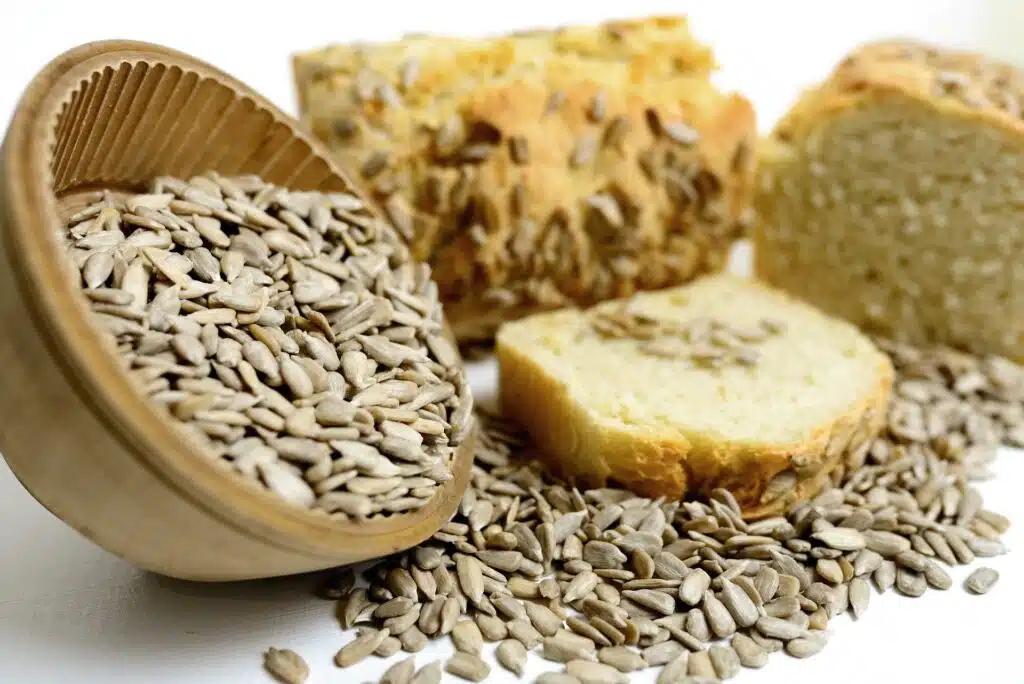
The primary raw material, sunflower seeds, contains approximately 40-55% oil, with the remainder comprising protein, fiber, and carbohydrates. The oil itself is predominantly composed of triglycerides, esters of glycerol and fatty acids. The fatty acid profile is crucial; high-oleic sunflower oil contains approximately 80% oleic acid (a monounsaturated fatty acid), conferring greater oxidative stability. Linoleic sunflower oil, conversely, is rich in linoleic acid (a polyunsaturated fatty acid). Seed quality significantly influences oil yield and composition, impacted by genetics, growing conditions (temperature, sunlight, water availability), and harvesting practices. Manufacturing begins with cleaning and dehulling the seeds, followed by either mechanical pressing (expelling) or solvent extraction (typically using hexane). Expelling yields a lower oil yield but is considered more ‘natural’ by some consumers. Solvent extraction is more efficient but requires careful solvent removal to meet food safety standards. Refining involves degumming (removing phospholipids), neutralization (removing free fatty acids), bleaching (removing color pigments), and deodorization (removing volatile compounds). Critical process parameters include temperature control during extraction and refining to minimize thermal degradation of the oil and maintain fatty acid integrity. Maintaining a consistent hexane residue level below regulatory limits is also paramount in solvent-extracted oil.
Performance & Engineering
Sunflower oil’s performance is heavily influenced by its fatty acid composition. Oxidative stability, a critical parameter, is determined by the degree of unsaturation in the fatty acids and the presence of natural antioxidants like Vitamin E. High-oleic varieties exhibit superior resistance to oxidation, extending shelf life and suitability for high-temperature applications like frying. Force analysis is relevant in the context of packaging; the oil’s viscosity (approximately 55-65 cP at 20°C) affects pumpability and flow characteristics during bottling and dispensing. Environmental resistance, specifically thermal stability, is a key concern. Prolonged exposure to high temperatures (above the smoke point, ~225°C) leads to oil degradation, formation of harmful compounds (acrolein), and decreased nutritional value. Compliance requirements are stringent, governed by food safety regulations like those set by the FDA (USA), EFSA (Europe), and Codex Alimentarius. Key parameters monitored include peroxide value (a measure of oxidation), acid value (indicates hydrolysis), and iodine value (reflects unsaturation level). Engineering considerations extend to the design of refining equipment to minimize metal ion contamination, which can catalyze oxidation reactions, and the selection of appropriate packaging materials to prevent light-induced degradation.
Technical Specifications
| Parameter | High-Oleic Sunflower Oil | Linoleic Sunflower Oil | Refined Sunflower Oil (General) |
|---|---|---|---|
| Oleic Acid Content (%) | >80 | <20 | 30-60 |
| Linoleic Acid Content (%) | <10 | >60 | 40-70 |
| Iodine Value (Wijs) | 80-95 | 110-130 | 95-115 |
| Peroxide Value (meq O2/kg) | <1.0 | <3.0 | <2.0 |
| Acid Value (mg KOH/g) | <0.3 | <0.5 | <0.4 |
| Smoke Point (°C) | 230-232 | 225-227 | 227-229 |
Failure Mode & Maintenance
Sunflower oil is susceptible to several failure modes during storage and use. Rancidity, caused by lipid oxidation, is a primary concern, manifesting as off-flavors and odors. This is accelerated by exposure to oxygen, light, heat, and metal ions. Hydrolysis, the breakdown of triglycerides into free fatty acids, also contributes to degradation, particularly in the presence of water. Polymerization, forming viscous residues, can occur at high frying temperatures. Packaging failures, such as permeation of oxygen through inadequate barrier materials, exacerbate oxidation. Maintenance strategies focus on preventing these failures. Proper storage in cool, dark, and airtight containers is crucial. Nitrogen flushing of packaging can reduce oxygen levels. Using high-quality, food-grade packaging materials with excellent barrier properties (e.g., dark glass, multilayer polymers) is essential. Monitoring peroxide and acid values during storage provides an indication of oil quality. For industrial applications involving bulk storage, regular filtration to remove particulate matter and sediment is recommended. In frying applications, maintaining appropriate oil turnover rates and avoiding overheating minimizes degradation and extends oil life.
Industry FAQ
Q: What is the primary difference between high-oleic and linoleic sunflower oil regarding shelf life and frying performance?
A: High-oleic sunflower oil boasts a significantly longer shelf life due to its greater resistance to oxidation. Its higher oleic acid content makes it more stable at elevated temperatures, resulting in superior frying performance with less oil degradation and formation of harmful compounds compared to linoleic sunflower oil. Linoleic oil, with its higher polyunsaturated fat content, is more prone to oxidation, limiting its suitability for prolonged high-heat applications.
Q: How does the refining process impact the nutritional value of sunflower oil?
A: The refining process can reduce the levels of certain naturally occurring micronutrients, such as Vitamin E and phytosterols, depending on the intensity of the process. However, modern refining techniques are designed to minimize nutrient loss. Cold-pressing or expeller-pressed sunflower oil retains more nutrients but typically has a shorter shelf life and higher cost.
Q: What packaging materials are most effective in preventing oxidation and maintaining sunflower oil quality during storage?
A: Dark glass bottles are excellent due to their impermeability to oxygen and protection from light. Alternatively, multilayer plastic containers with an aluminum foil barrier layer provide effective protection. The inner layer of the container should be food-grade and inert to prevent chemical interactions with the oil. Packaging should also be airtight to minimize oxygen exposure.
Q: What analytical methods are used to assess the quality and purity of sunflower oil?
A: Common analytical methods include determining the acid value, peroxide value, iodine value, moisture content, and fatty acid profile using gas chromatography (GC). Analysis for heavy metal contaminants and residual solvent levels (in solvent-extracted oil) is also conducted. Color measurement using spectrophotometry assesses the oil’s visual appearance.
Q: What regulatory standards govern the production and sale of sunflower oil in international markets?
A: Sunflower oil production and sale are regulated by various international bodies and national authorities. Key standards include those set by the Codex Alimentarius Commission, the FDA (USA), EFSA (Europe), and national standards organizations like GB standards in China. These standards cover aspects such as food safety, labeling requirements, and permissible levels of contaminants.
Conclusion
Sunflower oil’s position as a versatile and widely consumed vegetable oil is firmly established, driven by its favorable fatty acid composition, relatively neutral flavor, and increasingly, its application in biofuel production. The interplay between material science – specifically the inherent characteristics of sunflower seeds and the impact of processing techniques – and engineering considerations surrounding storage, handling, and quality control are critical for maintaining its performance and ensuring adherence to stringent regulatory standards. Understanding the potential failure modes, primarily oxidation and hydrolysis, and implementing appropriate preventative maintenance measures are paramount for maximizing shelf life and preserving the oil's nutritional and functional properties.
Future development in sunflower oil technology will likely focus on optimizing seed genetics to enhance oleic acid content and oxidative stability, improving refining processes to minimize nutrient loss, and developing sustainable packaging solutions to reduce environmental impact. Continued research into novel antioxidants and processing aids will further extend the oil’s shelf life and expand its range of applications, solidifying its role as a key component in the global food and industrial landscapes.
