Introduction
Sunflower lecithin is a naturally derived phospholipid extracted from sunflower seeds, gaining prominence as a functional ingredient across diverse industries, notably food, pharmaceuticals, and cosmetics. Unlike soy lecithin, which historically dominated the market, sunflower lecithin addresses increasing consumer concerns regarding soy allergies and genetically modified organisms (GMOs). Technically, it’s a complex mixture of phosphatidylcholine, phosphatidylethanolamine, phosphatidylinositol, and phosphatidic acid, acting primarily as an emulsifier, stabilizer, and wetting agent. Its position in the value chain is as a processing aid and functional ingredient, bridging raw agricultural product to formulated finished goods. Core performance characteristics center around its emulsification capacity, dispersion properties, and ability to enhance bioavailability of lipophilic compounds, making it crucial in formulating stable and efficacious products. The increasing demand is driven by its 'clean label' appeal and superior performance in specific applications compared to traditional alternatives.
Material Science & Manufacturing
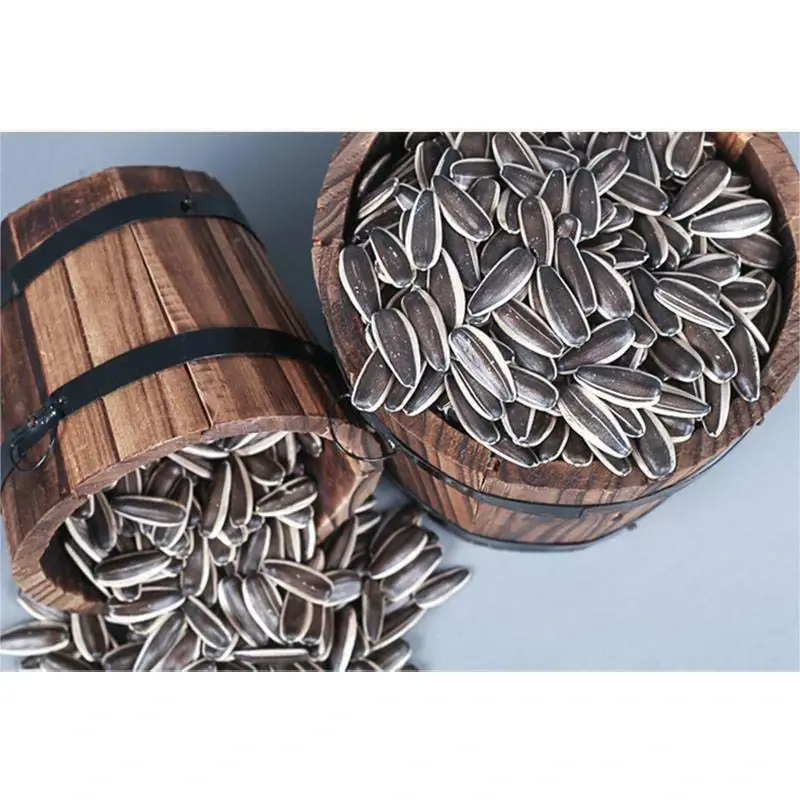
The primary raw material, sunflower seeds (Helianthus annuus), contain approximately 30-50% oil. Lecithin extraction typically occurs post-oil extraction, utilizing a degumming process. This involves hydrating the crude sunflower oil with water, causing the phospholipids to precipitate as 'gum'. This gum is then separated, washed, and dried, yielding crude sunflower lecithin. Further refinement involves solvent extraction (typically using ethanol or acetone, followed by rigorous removal to meet food-grade standards) and bleaching to improve color and purity. The final product's composition is critically dependent on seed variety, growing conditions, and extraction methodology. Phosphatidylcholine content, a key indicator of emulsifying ability, ranges from 25-35%. Physical properties include a viscous liquid or paste form, with varying colors from pale yellow to brown depending on the degree of refining. Chemical compatibility is generally good with most oils and fats, but it can undergo oxidation if exposed to air and heat, necessitating the addition of antioxidants like tocopherols (Vitamin E) during manufacturing. Key parameter control includes maintaining optimal water:oil ratios during degumming, solvent purity, and drying temperatures to prevent phospholipid degradation. Hydration levels are carefully managed to optimize texture and stability.
Performance & Engineering
Sunflower lecithin’s performance is fundamentally governed by its amphiphilic nature – possessing both hydrophilic (water-attracting) and lipophilic (oil-attracting) regions. This allows it to reduce interfacial tension between immiscible liquids, forming stable emulsions. Engineering applications leverage this property in various ways. In food processing, it improves texture, shelf-life, and mouthfeel in products like salad dressings, baked goods, and chocolate. Pharmaceutical formulations utilize it for drug delivery systems, enhancing bioavailability of poorly soluble drugs via liposome encapsulation. Cosmetically, it acts as a skin conditioning agent and emulsifier in creams and lotions. Force analysis reveals that the stability of emulsions created with sunflower lecithin is directly proportional to its concentration and the degree of homogenization. Environmental resistance is limited – prolonged exposure to high temperatures (>80°C) can cause degradation and loss of emulsifying capacity. Compliance requirements vary by application, with food-grade lecithin adhering to FCC (Food Chemicals Codex) standards and pharmaceutical-grade lecithin meeting USP/NF (United States Pharmacopeia/National Formulary) requirements. Furthermore, non-GMO certification is often a critical consideration for market acceptance.
Technical Specifications
| Parameter | Specification | Test Method | Industry Standard |
|---|---|---|---|
| Phosphatidylcholine Content | 25-35% | HPLC-ELSD | FCC 7.110 |
| Acid Value (as oleic acid) | < 4.0 mg KOH/g | Titration | AOCS Cd 3d-63 |
| Peroxide Value (mEq O2/kg) | < 10 | Titration | AOCS Cd 8-53 |
| Moisture Content | < 1.0% | Karl Fischer Titration | AOCS Cc 14-90 |
| Heavy Metals (Pb, As, Cd, Hg) | < 10 ppm (total) | ICP-MS | USP <231> |
| Non-GMO Status | Certified | PCR Analysis | Non-GMO Project Standard |
Failure Mode & Maintenance
Sunflower lecithin, while relatively stable, is susceptible to several degradation pathways. Oxidation is a primary failure mode, leading to rancidity and loss of emulsifying capability. This is accelerated by exposure to air, light, and elevated temperatures. Another common issue is hydrolysis, where phospholipids break down in the presence of water, releasing free fatty acids and reducing emulsification efficiency. Microbial contamination can also occur if the lecithin is not properly stored and handled, particularly in liquid form. Delamination in emulsions can result from insufficient lecithin concentration or inadequate homogenization. Failure analysis involves assessing acid value, peroxide value, and phospholipid profile to determine the extent of degradation. Maintenance and prevention strategies include storing lecithin in airtight containers, protected from light and heat, and adding antioxidants (tocopherols) during formulation. Maintaining proper sanitation procedures during handling and processing is crucial to prevent microbial growth. For long-term storage, refrigeration is recommended. Regularly monitoring key quality parameters helps identify potential degradation before it impacts product performance.
Industry FAQ
Q: What are the key differences between sunflower lecithin and soy lecithin in terms of emulsification performance?
A: While both are effective emulsifiers, sunflower lecithin generally exhibits superior performance in creating stable emulsions with smaller droplet sizes, particularly in low-fat systems. Soy lecithin can sometimes impart a beany flavor, which sunflower lecithin avoids. The phospholipid profile also differs, with sunflower lecithin often having a higher proportion of phosphatidylcholine, contributing to its enhanced emulsifying power.
Q: How does the extraction method affect the quality and functionality of sunflower lecithin?
A: The extraction method significantly impacts the lecithin’s purity and phospholipid composition. Solvent extraction, while efficient, requires stringent removal protocols to meet food-grade standards. Water degumming is a gentler process but may yield a lower concentration of lecithin. The choice of solvent and refining steps influence color, odor, and overall functionality.
Q: What is the shelf life of sunflower lecithin, and what are the optimal storage conditions?
A: The shelf life of sunflower lecithin typically ranges from 18-24 months when stored properly. Optimal conditions include airtight containers, protected from light, heat, and moisture. Refrigeration is recommended for extended storage. Monitoring peroxide value and acid value is crucial to assess quality over time.
Q: Is sunflower lecithin suitable for use in organic formulations?
A: Sunflower lecithin can be used in organic formulations, but it must be sourced from certified organic sunflower seeds and processed in accordance with organic standards. The extraction method also needs to be compliant with organic regulations (avoiding prohibited solvents). Certification is essential to ensure compliance.
Q: How does sunflower lecithin compare to other alternatives like phosphatidylserine in terms of cost and functionality?
A: Sunflower lecithin is generally more cost-effective than highly purified phospholipids like phosphatidylserine. While phosphatidylserine offers specific cognitive benefits, sunflower lecithin provides broader emulsification and bioavailability enhancement capabilities at a lower price point. The choice depends on the specific application and desired functionality.
Conclusion
Sunflower lecithin represents a robust and versatile functional ingredient with increasing importance across multiple industries. Its superior 'clean label' profile, coupled with competitive emulsification performance and bioavailability enhancement capabilities, positions it as a compelling alternative to soy lecithin and other traditional emulsifiers. Understanding the nuances of its material science, manufacturing processes, and potential failure modes is crucial for ensuring optimal product formulation and long-term stability.
Continued research and development efforts focused on optimizing extraction techniques, enhancing antioxidant protection, and exploring novel applications will further solidify sunflower lecithin’s position as a key ingredient in the evolving landscape of food, pharmaceutical, and cosmetic formulations. Its sustainable sourcing potential, derived from a widely cultivated crop, adds to its long-term viability and appeal.
