Introduction
Sunflower lecithin is a naturally derived emulsifier and wetting agent extracted from sunflower seeds, gaining prominence across diverse industrial applications. Unlike soy lecithin, its primary competitor, sunflower lecithin offers a non-allergenic and non-GMO alternative, driving demand in food, pharmaceutical, cosmetic, and industrial sectors. This guide provides a comprehensive technical analysis of high-quality sunflower lecithin, encompassing its material science, manufacturing processes, performance characteristics, potential failure modes, and relevant industry standards. Its functionality stems from its phospholipid composition, primarily phosphatidylcholine, phosphatidylinositol, and phosphatidic acid, enabling it to stabilize oil-water mixtures and modify surface tension. The industry currently faces challenges in ensuring consistent phospholipid profiles and minimizing residual solvent levels in the final product, necessitating rigorous quality control measures. Sunflower lecithin's rising popularity is driven by consumer preference for natural ingredients and increasing regulatory scrutiny of soy-based products.
Material Science & Manufacturing
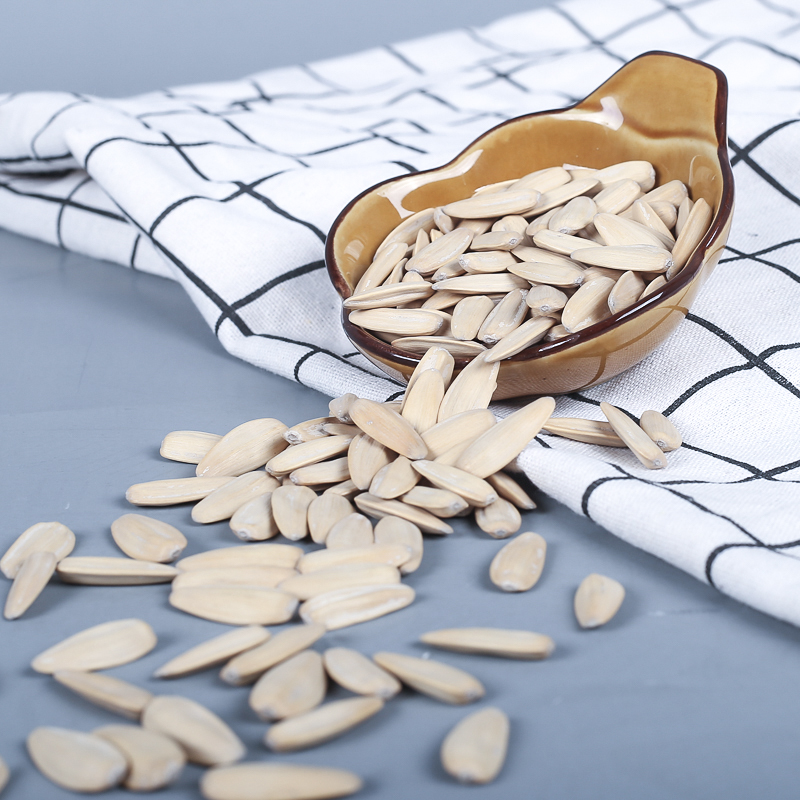
The raw material for sunflower lecithin is sunflower seed oil, specifically the gum fraction remaining after oil degumming. The primary phospholipids contributing to its functionality are phosphatidylcholine (~30-40%), phosphatidylethanolamine (~20-30%), phosphatidylinositol (~15-25%), and phosphatidic acid (~10-15%). These phospholipids possess both hydrophilic (phosphate head group) and lipophilic (fatty acid tail) properties, acting as effective emulsifiers. Manufacturing begins with the hydration of degummed sunflower oil, followed by centrifugal separation to isolate the phospholipid-rich gum. This gum undergoes further refining steps, including solvent extraction (typically using ethanol or acetone) to enhance phospholipid concentration and remove impurities. Critical parameters during solvent extraction include temperature (maintained below 40°C to prevent phospholipid degradation), solvent-to-gum ratio, and extraction time. Post-extraction, the solvent is removed via vacuum evaporation, and the lecithin undergoes bleaching, deodorization, and filtration. Quality control at this stage focuses on residual solvent levels (below specified limits, typically <50 ppm), acid value, peroxide value, and phospholipid content, determined through high-performance liquid chromatography (HPLC). Variations in sunflower seed variety, growing conditions, and oil extraction methods significantly impact the final lecithin composition and quality.
Performance & Engineering
Sunflower lecithin's performance as an emulsifier is governed by its Hydrophilic-Lipophilic Balance (HLB) value, typically ranging from 3 to 6, making it suitable for water-in-oil emulsions. Its emulsifying capacity is influenced by phospholipid concentration, temperature, pH, and the presence of other ingredients. In industrial applications, sunflower lecithin’s wetting properties reduce surface tension, improving the dispersion of pigments in paints and coatings, and enhancing the penetration of active ingredients in agricultural formulations. From an engineering perspective, its incorporation into polymer matrices requires careful consideration of its impact on mechanical properties. High lecithin content can reduce tensile strength and elongation at break due to plasticization effects. Therefore, optimal lecithin loading levels must be determined through comprehensive testing. Environmental resistance is also a key concern; prolonged exposure to oxidation and hydrolysis can lead to phospholipid degradation, reducing emulsifying efficiency. Antioxidant addition (e.g., tocopherols) can mitigate oxidative degradation. Compliance with food and pharmaceutical regulations (e.g., FDA, EFSA) dictates stringent purity standards and limits on heavy metal contamination and microbial counts.
Technical Specifications
| Parameter | Specification (Standard Grade) | Specification (De-oiled Grade) | Test Method |
|---|---|---|---|
| Phospholipid Content (%) | 65 - 75 | 80 - 90 | HPLC-ELSD |
| Acid Value (mg KOH/g) | <5.0 | <4.0 | Titration |
| Peroxide Value (meq O2/kg) | <10 | <5 | Potentiometric Titration |
| Moisture Content (%) | <2.0 | <1.5 | Karl Fischer Titration |
| Residual Solvent (ppm) | <50 (Ethanol/Acetone) | <20 (Ethanol/Acetone) | Gas Chromatography |
| Heavy Metals (ppm) | Lead: <0.5, Arsenic: <0.2, Cadmium: <0.1 | Lead: <0.3, Arsenic: <0.1, Cadmium: <0.05 | ICP-MS |
Failure Mode & Maintenance
Sunflower lecithin, despite its stability, is susceptible to several failure modes. Oxidative degradation is a primary concern, leading to rancidity, discoloration, and loss of emulsifying capacity. This is exacerbated by exposure to air, light, and elevated temperatures. Hydrolysis, particularly in acidic or alkaline environments, can break down phospholipids into free fatty acids and glycerophosphocholine, reducing emulsification efficiency. Microbial contamination is another potential failure mode, especially in improperly stored or handled products. Delamination can occur in applications where lecithin is incorporated into composite materials, resulting from poor interfacial adhesion. To mitigate these failures, proper storage is critical – cool, dry, and dark conditions are essential. The addition of antioxidants (tocopherols, ascorbic acid) extends shelf life by inhibiting oxidation. Maintaining a neutral pH and minimizing water activity reduces hydrolysis. Implementing robust sanitation protocols during processing and packaging prevents microbial growth. Regular quality control testing (acid value, peroxide value, microbial counts) is crucial for monitoring product stability and identifying potential degradation. In applications involving polymer matrices, compatibilizers can improve interfacial adhesion and prevent delamination.
Industry FAQ
Q: What are the key differences between sunflower lecithin and soy lecithin in terms of functional performance?
A: While both provide emulsification, sunflower lecithin generally exhibits a slightly lower emulsifying capacity compared to soy lecithin at equal concentrations. However, sunflower lecithin demonstrates superior oxidative stability, meaning it’s less prone to rancidity during storage. The absence of phytoestrogens in sunflower lecithin is also a significant advantage for applications where hormonal activity is a concern.
Q: How does the de-oiling process affect the performance characteristics of sunflower lecithin?
A: De-oiling increases the phospholipid concentration, resulting in a more potent emulsifier. De-oiled lecithin has a higher phospholipid content, leading to improved emulsification efficiency and reduced oil bleeding in final applications. However, de-oiling can sometimes increase the viscosity of the lecithin, requiring adjustments in formulation.
Q: What are the acceptable levels of residual solvents in food-grade sunflower lecithin, and how are they regulated?
A: Regulatory bodies like the FDA and EFSA set strict limits on residual solvents. Typically, ethanol and acetone levels must be below 50 ppm. Compliance is verified through gas chromatography analysis. Manufacturers must demonstrate adherence to Good Manufacturing Practices (GMP) to ensure solvent removal is efficient and consistent.
Q: Can sunflower lecithin be used in high-temperature applications, such as baking or extrusion?
A: Sunflower lecithin’s thermal stability is limited. Prolonged exposure to high temperatures (above 180°C) can lead to phospholipid degradation and loss of emulsifying activity. Adding antioxidants and using lecithin in conjunction with other stabilizers can help mitigate thermal degradation. Lower processing temperatures are preferred when possible.
Q: What are the typical storage conditions recommended for maintaining the quality of sunflower lecithin?
A: Sunflower lecithin should be stored in a cool (below 25°C), dry (relative humidity <60%), and dark environment, away from direct sunlight and oxidizing agents. Containers should be tightly sealed to prevent moisture absorption and oxidation. Proper storage significantly extends the shelf life and maintains the functional properties of the lecithin.
Conclusion
Sunflower lecithin presents a viable and increasingly preferred alternative to soy lecithin, particularly for applications demanding non-GMO and allergen-free ingredients. Its functionality, rooted in its phospholipid composition, makes it a versatile emulsifier, wetting agent, and dispersant across various industries. Ensuring high quality necessitates meticulous control over raw material sourcing, manufacturing processes, and storage conditions. The careful optimization of parameters like solvent extraction temperature, phospholipid content, and residual solvent levels are paramount to achieving desired performance characteristics.
Future advancements will likely focus on enhancing oxidative stability through encapsulation techniques and the development of novel antioxidant systems. Further research into the structural properties of sunflower lecithin and its interactions with other components in complex formulations is crucial for optimizing its performance. As consumer demand for natural and sustainable ingredients continues to grow, sunflower lecithin is poised to play an increasingly significant role in shaping the future of emulsification technology.
