Introduction
Sunflower lecithin is a naturally derived phospholipid extracted from sunflower seeds. Its primary function is as an emulsifier, stabilizer, and wetting agent, increasingly utilized across diverse industrial sectors including food processing, pharmaceuticals, cosmetics, and increasingly, industrial coatings. Technically positioned as a sustainable alternative to soy lecithin, sunflower lecithin mitigates allergen concerns while offering comparable, and in some instances, superior functional properties. Its composition consists primarily of phosphatidylcholine, phosphatidylethanolamine, phosphatidylinositol, and phosphatidic acid, with varying ratios influencing its performance characteristics. Core performance aspects include superior oxidative stability compared to soy lecithin, improved dispersion capabilities, and a non-GMO origin, making it a valuable component in formulations requiring stringent quality control and consumer appeal. A significant industry pain point is maintaining emulsion stability in aqueous systems, a challenge sunflower lecithin addresses effectively through its amphiphilic nature, enabling the creation of stable, homogenous mixtures. The increasing demand for ‘clean label’ ingredients further drives its adoption.
Material Science & Manufacturing
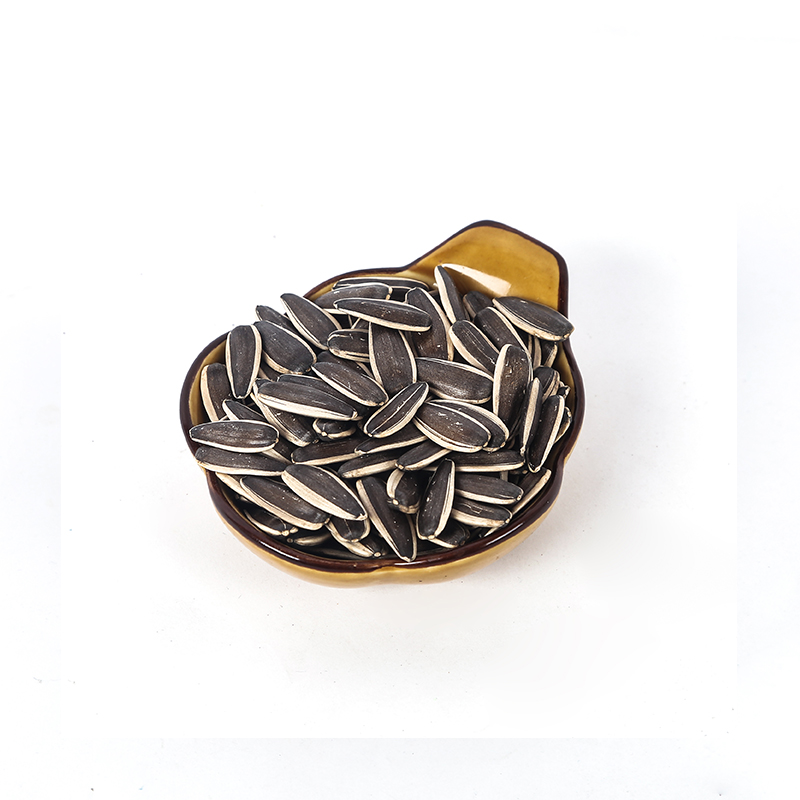
Sunflower lecithin’s raw material, sunflower seeds, possesses a complex lipid profile. The phospholipid content, averaging around 2.8% - 3.5% by weight, is the target of extraction. Manufacturing begins with dehulling and flaking the seeds, followed by solvent extraction – typically using hexane – to isolate the crude oil. This crude oil undergoes degumming, a process utilizing water or acid treatment to hydrate and precipitate the phospholipids, creating a phospholipid-rich gum. Further refining through crystallization, bleaching, and deodorization yields a concentrated sunflower lecithin. Key parameter control during solvent extraction focuses on temperature (maintained below 60°C to prevent phospholipid degradation) and solvent-to-seed ratio (optimized for maximum yield without compromising purity). The hydration process is critical; precise pH control (typically 5.0-7.0) maximizes phospholipid hydration while minimizing oil entrainment. Post-extraction, the lecithin’s purity is assessed via phosphorus content (target >20%), acid value (indicates free fatty acid content, ideally <5), and iodine value (measures unsaturation, influencing oxidative stability). Chemical compatibility is excellent with most oils and fats, though reactivity with strong oxidizing agents should be avoided. Physical properties include a viscous liquid or paste consistency, depending on the concentration, and a pale-yellow to amber color. Sunflower lecithin’s long-chain fatty acids contribute to its stability and emulsifying capabilities.
Performance & Engineering
The performance of sunflower lecithin as an emulsifier hinges on its amphiphilic structure – possessing both hydrophilic (water-attracting) and lipophilic (oil-attracting) regions. This allows it to reduce interfacial tension between immiscible liquids, forming stable emulsions. Force analysis reveals that the phospholipid molecules orient at the interface, minimizing surface energy. In industrial coatings, sunflower lecithin enhances pigment dispersion, improves flow and leveling, and reduces surface defects. Environmental resistance is moderate; prolonged exposure to high temperatures or UV radiation can lead to oxidation and degradation, reducing its emulsifying capacity. Formulations incorporating antioxidants (e.g., tocopherols) can mitigate this. Compliance requirements vary by application. Food-grade sunflower lecithin must adhere to FCC (Food Chemicals Codex) standards, ensuring purity and safety. Pharmaceutical applications necessitate compliance with USP/NF (United States Pharmacopeia/National Formulary) guidelines. Cosmetic formulations are subject to regulations set forth by organizations like the FDA and the European Commission. Functional implementation requires careful consideration of lecithin concentration; excessive amounts can lead to emulsion instability, while insufficient quantities may not provide adequate emulsification. The HLB (Hydrophilic-Lipophilic Balance) value, typically around 4-5 for sunflower lecithin, dictates its suitability for different emulsion types (water-in-oil or oil-in-water).
Technical Specifications
| Parameter | Unit | Typical Value | Test Method |
|---|---|---|---|
| Phospholipid Content | % | 20-25 | AOAC 996.06 |
| Acid Value | mg KOH/g | <5 | AOCS Cd 3-63 |
| Iodine Value | Wijs | 60-80 | AOCS Cd 1-25 |
| Moisture Content | % | <2 | Karl Fischer Titration |
| Heavy Metals (Pb, Cd, Hg) | ppm | <1 | ICP-MS |
| Phosphatidylcholine (PC) Content | % of Total Phospholipids | 40-50 | HPLC-ELSD |
Failure Mode & Maintenance
Sunflower lecithin, despite its stability advantages over soy lecithin, is susceptible to degradation under specific conditions. The primary failure mode is oxidation of unsaturated fatty acids within the phospholipid structure, leading to rancidity and a decline in emulsification efficacy. This is accelerated by exposure to air, light, and elevated temperatures. Another common failure is hydrolysis – the breakdown of phospholipids due to water exposure, particularly at non-optimal pH levels. This results in the release of free fatty acids, increasing the acid value and diminishing emulsifying power. In coating applications, improper dispersion can lead to settling and agglomeration, causing surface defects and reduced protective properties. Delamination can occur in multi-layered systems if lecithin is not uniformly distributed. Maintenance focuses on proper storage – in tightly sealed containers, protected from light, heat, and moisture. The addition of antioxidants (tocopherols, ascorbyl palmitate) is crucial for long-term stability. Regular quality control testing, including acid value, peroxide value, and phospholipid content analysis, is recommended to monitor degradation. For large-scale industrial applications, implementing a ‘first-in, first-out’ inventory management system minimizes storage duration and ensures optimal performance. Preventative measures also include ensuring complete hydration during formulation and maintaining appropriate pH levels.
Industry FAQ
Q: What differentiates sunflower lecithin from soy lecithin in terms of oxidative stability, and what are the implications for long-term product shelf life?
A: Sunflower lecithin generally exhibits superior oxidative stability compared to soy lecithin due to a different fatty acid profile. Soy lecithin contains a higher proportion of linolenic acid, a highly unsaturated fatty acid prone to oxidation. Sunflower lecithin has a lower linolenic acid content and a higher proportion of oleic acid, which is more resistant to oxidation. This translates to a longer shelf life for products formulated with sunflower lecithin, reducing the need for high concentrations of synthetic antioxidants.
Q: Can sunflower lecithin be used in high-temperature processing applications, such as extrusion or high-shear mixing, without significant degradation?
A: While sunflower lecithin possesses good thermal stability, prolonged exposure to very high temperatures (above 120°C) can induce degradation. Short-term exposure during processes like extrusion is generally acceptable, but optimization is crucial. Employing rapid cooling and incorporating antioxidants can mitigate thermal degradation. The degree of degradation depends on processing time, temperature, and shear rate.
Q: What is the impact of lecithin particle size on its performance as a wetting agent in pigment dispersions?
A: Smaller lecithin particle sizes generally provide better wetting and dispersion of pigments. This is because smaller particles have a larger surface area-to-volume ratio, increasing their interaction with the pigment surface and promoting more efficient stabilization. Milling or microfluidization techniques can be used to reduce lecithin particle size and enhance its wetting capabilities.
Q: How does the pH of the formulation affect the stability of sunflower lecithin emulsions, and what pH range is recommended?
A: pH significantly influences lecithin’s stability. At low pH (below 4.0), lecithin can undergo hydrolysis, releasing free fatty acids and compromising emulsion stability. At high pH (above 8.0), saponification can occur, leading to the formation of soaps and destabilization. The recommended pH range for optimal stability is typically between 5.0 and 7.0.
Q: Are there any regulatory considerations or certifications related to the sourcing and production of sunflower lecithin that are important for ensuring product quality and traceability?
A: Key regulatory considerations include compliance with food-grade standards (FCC), pharmaceutical standards (USP/NF), and cosmetic regulations (FDA/European Commission). Certifications like Non-GMO Project Verified and organic certifications (USDA Organic, EU Organic) are increasingly important for meeting consumer demands for sustainable and transparent sourcing. Traceability documentation should be maintained throughout the supply chain to ensure the origin and quality of the sunflower seeds.
Conclusion
Sunflower lecithin represents a robust and increasingly preferred alternative to traditional emulsifiers, offering superior oxidative stability, allergen-free characteristics, and a sustainable sourcing profile. Its effectiveness as an emulsifier, wetting agent, and stabilizer is rooted in its unique phospholipid composition and amphiphilic properties, allowing for the creation of homogenous and durable formulations. Understanding the critical parameters governing its manufacturing, performance, and potential degradation pathways is crucial for maximizing its benefits across diverse industrial applications.
Future developments are likely to focus on optimizing extraction techniques to enhance phospholipid yield and purity, and tailoring lecithin modifications to specific application requirements. Exploration of novel antioxidant combinations to further bolster oxidative stability and extending its utility in high-temperature processing environments will be vital. The increasing emphasis on ‘clean label’ and sustainable ingredients will continue to drive the adoption of sunflower lecithin, solidifying its position as a cornerstone ingredient in formulation science and engineering.
