Introduction
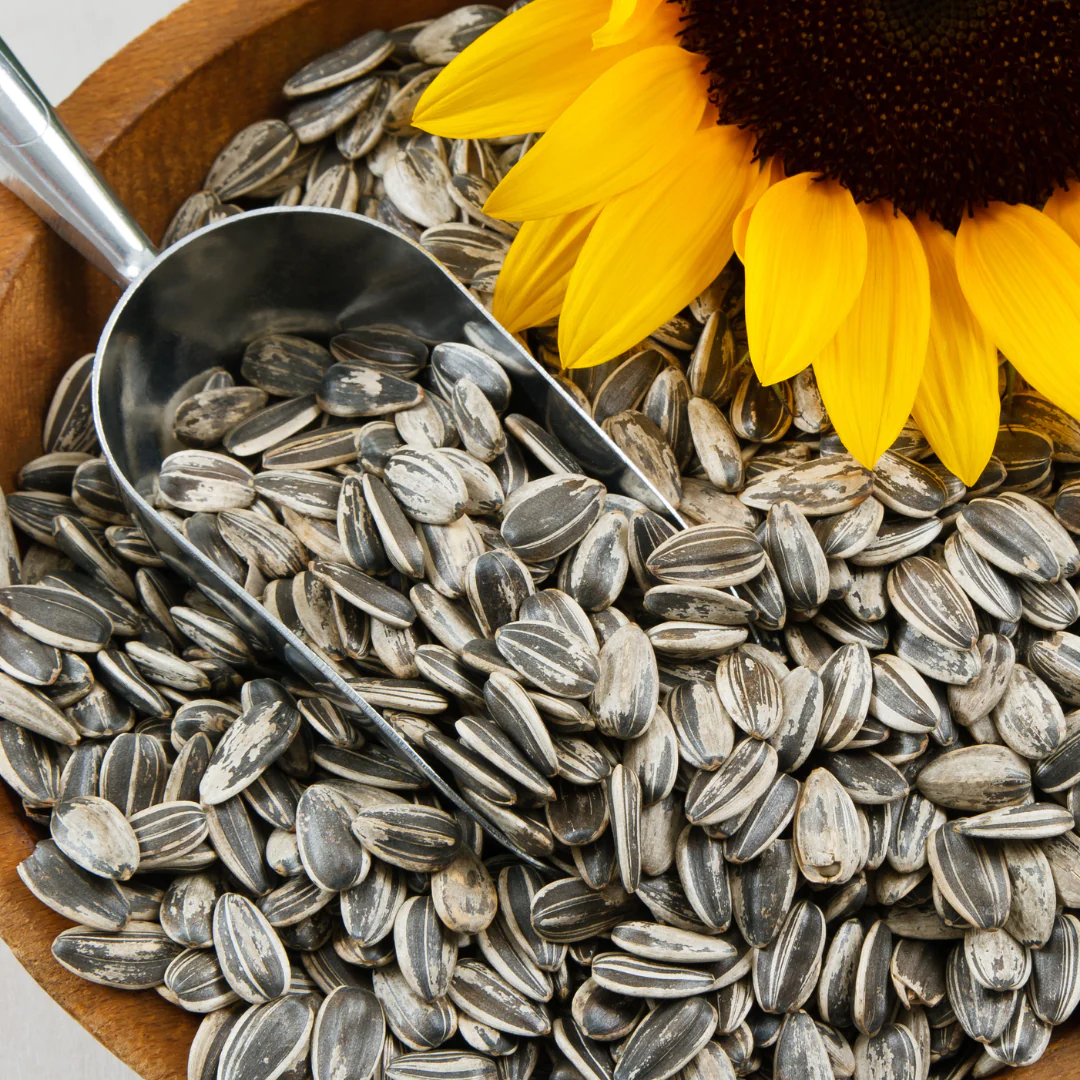
Sunflower kernels, the edible seeds of the Helianthus annuus plant, represent a significant commodity within the global food processing and snack food industries. Positioned between agricultural production and consumer packaged goods, these kernels undergo several stages of processing – dehulling, drying, grading, and often flavoring – to reach the final product. Their core performance characteristics center on nutritional value, oil content, protein profile, and sensory attributes (texture, taste). A key driver in kernel quality is the balance between linoleic and oleic acids within the oil, directly impacting shelf-life and applications. This guide provides a comprehensive technical overview of sunflower kernels, covering their material science, manufacturing processes, performance considerations, potential failure modes, and relevant industry standards.
Material Science & Manufacturing
Sunflower kernels are predominantly composed of lipid components (40-60% by weight), proteins (20-25%), carbohydrates (10-20%), and moisture (5-10%). The lipid fraction is primarily triglycerides, with the fatty acid profile dictating oil quality. Kernel shell composition is largely cellulose and lignin. Manufacturing begins with harvesting mature seed heads, followed by threshing to separate the kernels from the heads. Dehulling is a critical process, typically employing mechanical abrasion or impact methods. Parameter control is paramount to minimize kernel damage and maximize yield. Following dehulling, kernels are dried to a moisture content of approximately 8-10% using forced-air drying systems. Drying temperature must be carefully controlled (typically below 60°C) to prevent denaturation of proteins and oxidation of unsaturated fatty acids. Grading is then performed based on size, density, and visual defects. Flavoring, if desired, is typically achieved via dry blending with seasonings or coating with liquid flavorings. Maintaining consistent kernel size distribution through precision dehulling and grading is crucial for uniform drying and roasting/toasting, influencing final product texture and appearance. The cultivar of sunflower influences the thickness of the hull, the size of the kernel, and the oil content, making seed selection a key manufacturing control point.
Performance & Engineering
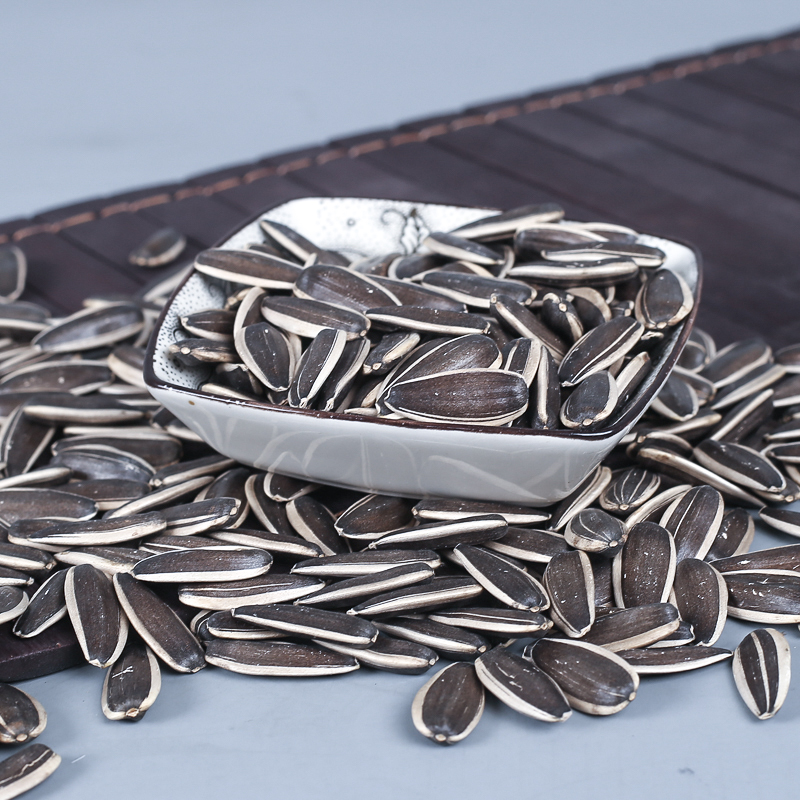
The engineering performance of sunflower kernels is largely defined by their mechanical strength and susceptibility to damage during processing and handling. Kernel shell strength dictates its resistance to cracking during dehulling and handling. A force analysis during dehulling identifies the optimal impact or abrasion force required for efficient separation without kernel fragmentation. Environmental resistance concerns center on moisture uptake and oxidation. Kernels are hygroscopic, meaning they readily absorb moisture from the atmosphere, leading to increased microbial growth and rancidity. Packaging materials with low oxygen transmission rates (OTR) and low water vapor transmission rates (WVTR) are essential for maintaining kernel quality. The oil within the kernels is susceptible to oxidation, accelerated by exposure to light, heat, and oxygen. Antioxidants are frequently added during processing to inhibit oxidation. Compliance requirements, particularly regarding food safety, necessitate adherence to regulations regarding pesticide residues, mycotoxin levels (aflatoxins are a primary concern), and heavy metal contamination. The Kernels’ structural integrity under compression and shear forces during packaging and transport must also be considered to minimize fines (broken kernel fragments).
Technical Specifications
| Parameter | Unit | High-Oleic Variety | Linoleic Variety |
|---|---|---|---|
| Oil Content | % (Dry Weight Basis) | 50-58 | 42-50 |
| Moisture Content | % | ≤ 8.0 | ≤ 8.0 |
| Protein Content | % (Dry Weight Basis) | 20-25 | 20-25 |
| Linoleic Acid (%) | % of Total Fatty Acids | < 10 | 50-75 |
| Oleic Acid (%) | % of Total Fatty Acids | 60-80 | 10-30 |
| Kernel Size (Average Diameter) | mm | 8-12 | 8-12 |
Failure Mode & Maintenance
Sunflower kernels are susceptible to several failure modes. Rancidity, caused by lipid oxidation, is a primary concern, manifesting as an off-flavor and odor. This is accelerated by improper storage conditions (high temperature, humidity, light exposure). Kernel cracking and fragmentation occur during processing (dehulling, drying, handling) leading to fines. This reduces product quality and increases losses. Microbial contamination, particularly by aflatoxin-producing molds, is a serious food safety hazard. This is prevented through proper drying, storage, and sanitation practices. Physical damage from pests (insects, rodents) during storage leads to kernel loss and potential contamination. Degradation of Vitamin E (a natural antioxidant) over time reduces the shelf life of the product. Preventative maintenance involves regular cleaning and sanitation of processing equipment, strict control of drying and storage conditions (temperature, humidity, airflow), and implementation of a robust pest control program. Regular monitoring of oil quality (peroxide value, acid value) and aflatoxin levels is crucial for quality assurance. Proper packaging with barrier properties is essential to maintain quality during distribution and retail storage.
Industry FAQ
Q: What is the primary difference between high-oleic and linoleic sunflower kernels in terms of shelf life?
A: High-oleic kernels have significantly improved shelf life due to their higher concentration of monounsaturated fats (oleic acid), which are less susceptible to oxidation than the polyunsaturated fats (linoleic acid) found in linoleic varieties. This reduced oxidation translates to a slower development of rancidity and a longer period of acceptable flavor and aroma.
Q: What are the critical control points for preventing aflatoxin contamination?
A: The critical control points are proper drying to ≤8% moisture content immediately after harvest, effective storage in dry, well-ventilated conditions, and thorough cleaning and sanitation of all processing equipment. Regular testing for aflatoxin levels is also essential.
Q: How does kernel size distribution impact the roasting process?
A: A consistent kernel size distribution is crucial for uniform roasting. Variations in size lead to uneven heating, resulting in some kernels being under-roasted while others are over-roasted, impacting the final product's texture and flavor.
Q: What packaging materials offer the best protection against rancidity?
A: Packaging materials with low oxygen permeability (OTR) and low water vapor permeability (WVTR), such as metallized films or multi-layer laminates with aluminum foil, provide the best protection against rancidity by minimizing exposure to oxygen and moisture.
Q: What methods are used to determine the quality of the oil within the kernels?
A: Oil quality is assessed through several methods, including peroxide value (PV) to measure primary oxidation, acid value (AV) to measure free fatty acids resulting from hydrolysis, and anisidine value (p-AV) to measure secondary oxidation products. Fatty acid profile analysis using gas chromatography is also performed to determine the composition of the oil.
Conclusion
Sunflower kernels represent a complex agricultural product demanding stringent control throughout the entire value chain. From seed selection and harvesting to processing, packaging, and storage, careful attention to material science principles and engineering parameters is critical for delivering a high-quality, safe, and shelf-stable product. The optimal balance of oil content, protein profile, and moisture content, coupled with effective mitigation of potential failure modes such as rancidity and microbial contamination, directly influences market acceptance and consumer satisfaction.
Future trends will likely focus on improving kernel dehulling efficiency to reduce fines, developing novel antioxidant coatings to extend shelf life, and implementing advanced sensor technologies for real-time monitoring of kernel quality. Further research into the genetic modification of sunflower varieties to enhance oleic acid content and improve resistance to pests and diseases will also be paramount. Addressing these areas will enable the industry to meet growing consumer demand for healthy and convenient snack foods.
