
Introduction
Sugar melon seeds (Cucumis melo var. saccharatus) represent a crucial component of the agricultural supply chain, functioning as both a reproductive material for crop propagation and a source of edible oil and protein. Their technical position lies at the intersection of agricultural science, food processing technology, and increasingly, industrial biotechnology. Core performance characteristics revolve around germination rate, seed viability, oil content, protein composition, and freedom from pathogens and contaminants. The industry faces increasing pressure to improve seed quality for higher yields, enhanced nutritional value, and extended shelf life. The processing of these seeds for oil extraction and consumption demands stringent quality control, focusing on parameters like moisture content, impurity levels, and oil stability. The growing demand for plant-based proteins further elevates the importance of optimizing sugar melon seed protein content and functionality.
Material Science & Manufacturing
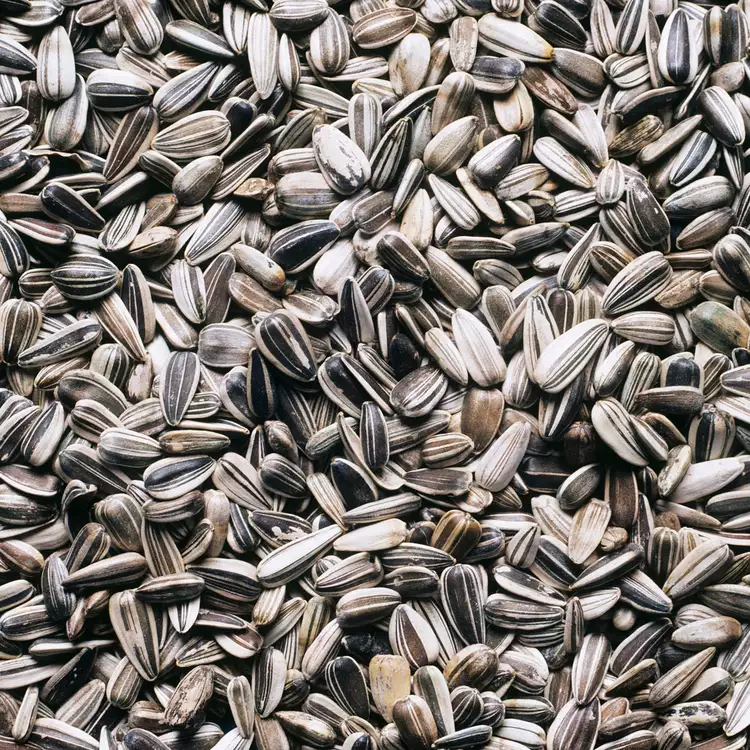
The sugar melon seed's material science is fundamentally based on its biological composition. The seed coat, primarily composed of cellulose, hemicellulose, and lignin, provides physical protection. Its hardness and permeability are critical for germination. Internally, the endosperm consists of carbohydrates (starch and sugars) and proteins, while the embryo contains lipids (primarily unsaturated fatty acids, like oleic and linoleic acid). Manufacturing processes begin with field cultivation practices influencing seed quality (soil composition, irrigation, fertilization). Harvesting timing is crucial, impacting maturity and oil accumulation. Post-harvest processing involves cleaning (removal of debris, chaff), drying (reducing moisture content to around 8-10% for storage stability – typically employing controlled temperature air drying), sizing (separating seeds based on size for consistent quality), and grading (assessing seed quality via visual inspection and laboratory tests). Key parameter control includes monitoring temperature and humidity during drying to prevent seed damage, ensuring efficient cleaning processes to minimize contamination, and employing seed treatments (e.g., fungicides) to prevent fungal infections. The presence of mycotoxins in seeds is a major concern, requiring rigorous testing using techniques like HPLC-MS/MS. Seed storage relies on maintaining low temperature (around 5-10°C) and humidity (below 60%) in airtight containers to prevent lipid oxidation and preserve germination viability.
Performance & Engineering
Performance evaluation of sugar melon seeds centers around germination rate, measured under controlled laboratory conditions (temperature, humidity, light). Force analysis is applicable to seed coat strength, assessed using compression testing to determine its resistance to cracking and damage during handling. Environmental resistance is paramount, with seeds subjected to stress tests simulating varying temperature and humidity fluctuations to evaluate their storage stability. Compliance requirements involve adhering to national and international seed certification standards (e.g., OECD Seed Schemes). Functional implementation for oil extraction involves pre-treatment processes like seed cracking and dehulling to optimize oil yield. Oil quality is assessed based on acid value, peroxide value, and iodine value, indicating the degree of oxidation and unsaturation. Protein functionality is evaluated through measures like protein solubility, emulsifying capacity, and foaming capacity, critical for food applications. Seed viability is maintained through proper storage and packaging, protecting seeds from moisture ingress and oxygen exposure. The packaging material's oxygen transmission rate (OTR) and water vapor transmission rate (WVTR) are crucial engineering considerations. Mechanical handling systems in processing plants must be designed to minimize seed damage, incorporating soft conveying belts and gentle sorting mechanisms.
Technical Specifications
| Parameter | Unit | Specification (Grade A) | Specification (Grade B) |
|---|---|---|---|
| Germination Rate | % | ≥ 90 | 80-89 |
| Moisture Content | % | ≤ 8.0 | 8.1-9.0 |
| Oil Content (Dry Weight Basis) | % | ≥ 45 | 35-44 |
| Protein Content (Dry Weight Basis) | % | ≥ 25 | 20-24 |
| Purity | % | ≥ 99 | 98-99 |
| Seed Size (Average Diameter) | mm | 12-15 | 10-12 or 15-18 |
Failure Mode & Maintenance
Failure modes for sugar melon seeds encompass several categories. Physiological deterioration, caused by improper storage (high temperature/humidity), leads to reduced germination and viability. Lipid oxidation, resulting in rancidity and decreased oil quality, occurs due to oxygen exposure and elevated temperatures. Mechanical damage during harvesting, processing, or handling can cause seed coat cracking, increasing susceptibility to fungal infection. Fungal contamination, including species like Aspergillus and Fusarium, can produce mycotoxins, rendering the seeds unsafe for consumption or propagation. Insect infestation can lead to seed weight loss and quality degradation. Maintenance strategies involve strict adherence to proper storage conditions (low temperature, low humidity, airtight containers). Regular monitoring of seed moisture content and temperature is crucial. Implementing effective pest control measures is essential to prevent insect infestation. Seed treatments with fungicides can mitigate fungal contamination, but must comply with regulatory standards. Quality control checks throughout the processing chain, including visual inspection and laboratory testing, are vital to identify and remove damaged or contaminated seeds. Preventative maintenance of processing equipment (e.g., cleaning machinery, drying systems) is necessary to minimize seed damage.
Industry FAQ
Q: What is the significance of the acid value in assessing sugar melon seed oil quality?
A: The acid value indicates the amount of free fatty acids present in the oil. A higher acid value signifies a greater degree of hydrolysis, often resulting from improper storage or processing. Elevated acid values lead to rancidity and a decline in oil quality, making it unsuitable for certain applications. Industry standards typically set limits for acid value to ensure oil acceptability.
Q: How does seed size affect germination rate and seedling vigor?
A: Seed size is correlated with endosperm reserves, providing nutrients for the developing embryo. Larger seeds generally possess greater reserves, leading to higher germination rates and more vigorous seedlings, particularly under stressful conditions. However, excessively large seeds may also indicate immaturity. Consistent seed sizing during processing is therefore important.
Q: What are the common methods for detecting mycotoxins in sugar melon seeds?
A: High-performance liquid chromatography with tandem mass spectrometry (HPLC-MS/MS) is the gold standard for mycotoxin detection. Other methods include enzyme-linked immunosorbent assays (ELISA) and thin-layer chromatography (TLC), although these are generally less sensitive and specific. Regulatory bodies often mandate routine mycotoxin testing to ensure food safety.
Q: What is the optimal moisture content for long-term storage of sugar melon seeds?
A: The optimal moisture content for long-term storage is typically around 8-10%. Maintaining this moisture level minimizes enzymatic activity, lipid oxidation, and fungal growth. Seeds should be stored in airtight containers to prevent moisture absorption from the surrounding environment.
Q: How does the presence of unsaturated fatty acids influence the stability of sugar melon seed oil?
A: While unsaturated fatty acids offer nutritional benefits, they are more susceptible to oxidation than saturated fatty acids. This oxidation leads to rancidity and a decrease in oil quality. Antioxidants are often added to sugar melon seed oil to enhance its stability and extend its shelf life. Proper storage conditions (low temperature, protection from light and oxygen) are also critical.
Conclusion
Sugar melon seed quality is a multifaceted parameter dictated by a complex interplay of genetic factors, agricultural practices, and post-harvest processing techniques. Maintaining high germination rates, optimal oil and protein content, and freedom from contaminants is crucial for maximizing both agricultural productivity and nutritional value. The technical specifications outlined provide a framework for consistent quality assessment and control throughout the supply chain.
Future advancements in sugar melon seed technology will likely focus on genetic breeding programs to enhance oil and protein content, improve resistance to fungal diseases, and optimize seed size and shape for efficient processing. Furthermore, the development of novel storage technologies and packaging materials will be essential for preserving seed viability and quality over extended periods. Adherence to international standards and continuous monitoring of emerging contaminants will remain paramount to ensure product safety and market access.
