Introduction
Sugar kiss melon seeds ( Cucumis melo var. saccharinus) represent a crucial component of horticultural production, categorized as a specialty agricultural commodity. Their technical position within the industry chain lies at the intersection of seed breeding, agricultural practices, and ultimately, consumer produce. These seeds are primarily valued for their capacity to yield fruits exhibiting exceptional sweetness and unique textural qualities, differentiating them from standard cantaloupe or honeydew varieties. Core performance metrics revolve around germination rates, seedling vigor, disease resistance, fruit yield per plant, and the Brix level (a measure of sugar content) achieved in the mature fruit. Understanding these parameters is fundamental to optimizing cultivation practices and ensuring consistent product quality. A significant industry pain point is maintaining genetic purity across generations and mitigating seed-borne diseases which can dramatically reduce yield and marketable produce.
Material Science & Manufacturing
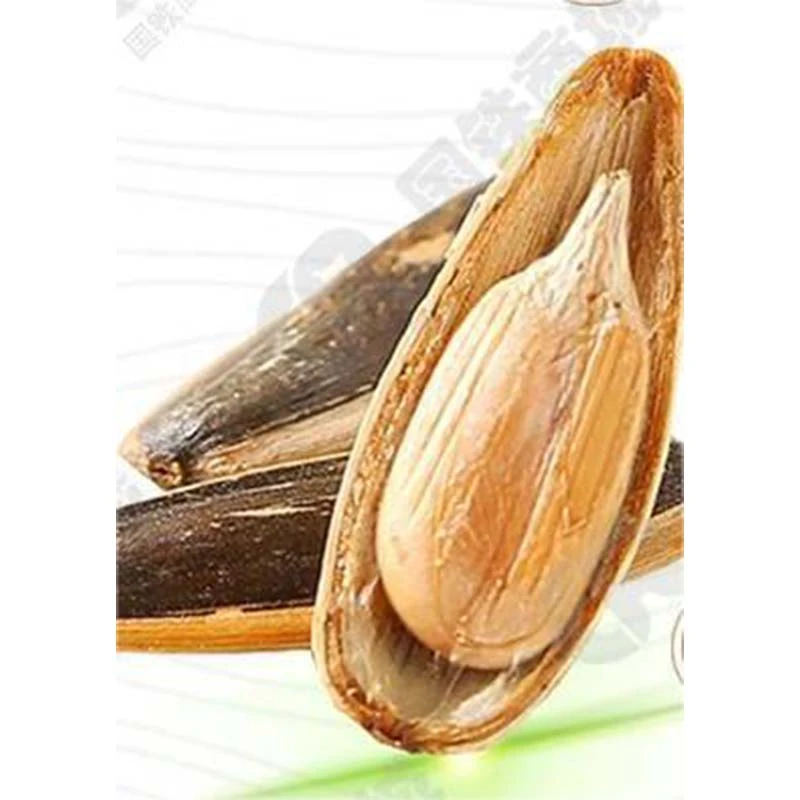
The ‘sugar kiss’ melon seed comprises three primary biological components: the embryo, endosperm, and seed coat. The embryo, responsible for plant development, contains complex proteins, lipids, and carbohydrates. The endosperm serves as a nutrient reserve, primarily composed of starches and oils, providing energy for germination and early seedling growth. The seed coat, a protective outer layer, is characterized by a lignified cellulose matrix providing physical resilience and preventing premature germination. Manufacturing, or more accurately, seed production, involves a multi-stage process. First, controlled pollination is performed to maintain varietal integrity, often utilizing insect barriers or manual techniques. Following fruit maturation, seeds are extracted, washed to remove pulp residue, and dried to a moisture content of approximately 7-8% to ensure longevity. Key parameter control during drying is critical, as excessively high temperatures can compromise seed viability, while insufficient drying fosters fungal growth. Seed coating with fungicides and polymers is also a common practice, enhancing protection against pathogens and improving flowability during planting. Chemical compatibility of coating materials with seed components must be rigorously tested to avoid inhibitory effects on germination.
Performance & Engineering
Performance analysis of sugar kiss melon seeds centers on germination percentage, seedling vigor (measured by root and shoot length), and the resultant fruit quality. Germination is influenced by temperature, moisture, and oxygen availability. Optimal germination temperatures typically range between 25-30°C. Environmental resistance is paramount, particularly concerning temperature fluctuations and water stress during germination and early seedling stages. The seed coat’s physical properties, including thickness and permeability, directly impact water uptake and gas exchange. Engineering considerations extend to seed storage conditions. Maintaining low temperature (4-10°C) and humidity (<60% RH) is crucial to minimize metabolic activity and prevent deterioration of seed viability. Compliance requirements often involve adherence to phytosanitary regulations to prevent the spread of seed-borne diseases. Force analysis, while less direct, applies to the seed coating process. The mechanical strength of the coating must withstand handling and transportation without cracking or delamination, which could expose the seed to pathogens.
Technical Specifications
| Germination Rate (%) | Seed Moisture Content (%) | Seed Purity (%) | 1000-Seed Weight (g) |
|---|---|---|---|
| ≥ 90 | 7-8 | ≥ 98 | 35-45 |
| 85-90 | 8-9 | 95-98 | 40-50 |
| ≥ 80 | 9-10 | 90-95 | 30-40 |
| 75-85 | 10-11 | 85-90 | 45-55 |
| ≥ 92 | 7.5 | ≥ 99 | 38-42 |
| 88-92 | 8.5 | 96-99 | 32-48 |
Failure Mode & Maintenance
Failure modes for sugar kiss melon seeds are diverse. Primary causes include fungal infections (e.g., Fusarium, Alternaria) leading to seed decay and reduced germination, mechanical damage during harvesting and processing resulting in cracked seed coats, and physiological deterioration due to improper storage. Fatigue cracking within the seed coat can occur due to repeated temperature fluctuations or mechanical stress. Delamination of seed coatings can expose the seed to pathogens. Oxidation of lipids within the seed can reduce viability over extended storage periods. Maintenance, encompassing optimal storage practices, is critical. Seeds should be stored in airtight containers in a cool, dry, and dark environment. Regular monitoring of seed moisture content and germination rates is recommended, especially for seeds stored long-term. Implementing a seed health testing program to detect and eliminate seed-borne pathogens prior to storage is also a crucial preventative measure. Treating seeds with appropriate fungicides according to manufacturer guidelines can further mitigate the risk of fungal infections. Re-testing germination rates annually is essential for maintaining seed quality.
Industry FAQ
Q: What is the typical shelf life of sugar kiss melon seeds under optimal storage conditions?
A: Under optimal storage conditions – low temperature (4-10°C), low humidity (<60% RH), and airtight containers – sugar kiss melon seeds typically maintain >80% germination rate for 3-5 years. However, germination rates should be routinely checked annually, and seeds should be replaced if they fall below acceptable thresholds.
Q: How does seed coating impact germination and seedling vigor?
A: Seed coating can positively impact germination by providing protection against pathogens and improving moisture uptake. However, the coating material must be compatible with the seed and not inhibit gas exchange. Improperly formulated coatings can reduce germination rates and seedling vigor. Polymer-based coatings often include nutrients to enhance early seedling growth.
Q: What are the key indicators of seed deterioration during storage?
A: Key indicators include a decline in germination rate, reduced seedling vigor (shorter root and shoot lengths), increased incidence of abnormal seedlings, and visible signs of fungal growth or seed discoloration. A decline in 1000-seed weight can also indicate loss of seed quality.
Q: What phytosanitary regulations are typically applicable to the international trade of sugar kiss melon seeds?
A: International trade is governed by regulations set by organizations like the International Plant Protection Convention (IPPC). Specific requirements vary by importing country but typically include phytosanitary certificates confirming the absence of quarantine pests and adherence to seed health standards. Seeds may also be subject to inspection and testing upon import.
Q: What is the impact of genetic purity on fruit quality and yield?
A: Maintaining genetic purity is paramount. Genetic drift or cross-pollination can lead to off-type fruits with reduced sweetness, altered texture, and lower yields. Certified seeds from reputable suppliers guarantee a high degree of genetic purity and consistent performance.
Conclusion
Sugar kiss melon seed production and quality control are complex processes demanding rigorous attention to detail across the entire supply chain. From the intricacies of controlled pollination and seed extraction to the critical aspects of storage and germination, understanding the underlying material science and engineering principles is essential. Optimizing these factors directly correlates to increased yield, improved fruit quality, and ultimately, economic viability for producers.
Future advancements in seed technology will likely focus on enhancing disease resistance through genetic modification, developing more effective seed coatings with controlled-release nutrients, and implementing precision agriculture techniques for optimized seed placement and irrigation. Continued research into seed physiology and the impact of environmental factors on seed viability will be crucial for ensuring a sustainable and reliable supply of high-quality sugar kiss melon seeds to meet growing consumer demand.
