Introduction
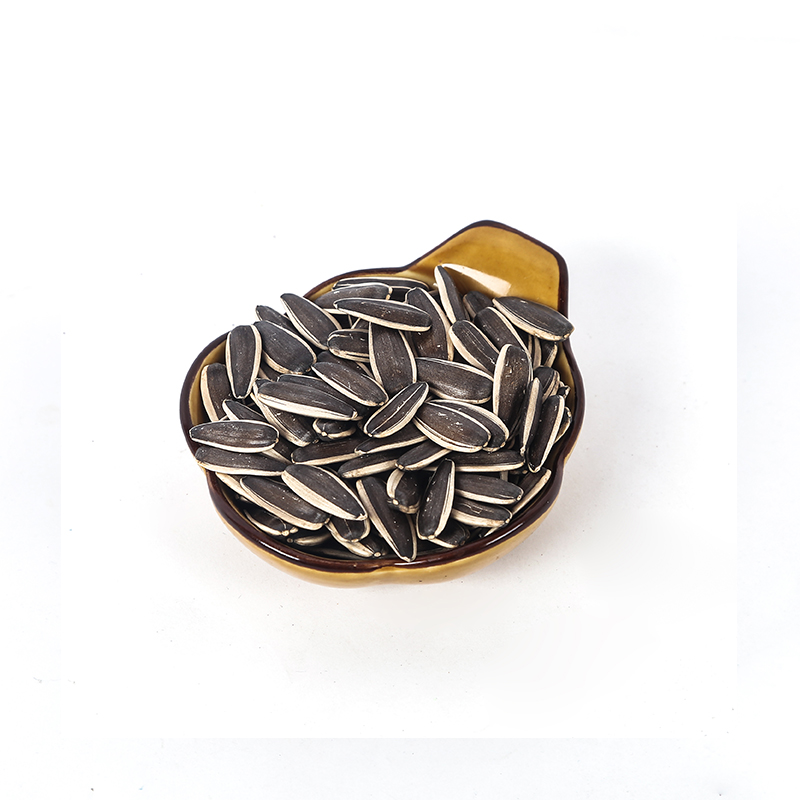
Sugar kiss melon seeds ( Cucumis melo var. saccharatus) represent a commercially significant cultivar within the melon family, prized for its exceptionally high sugar content and distinctive flavor profile. These seeds are the foundational component of a multi-billion dollar global melon industry, supporting both fresh consumption markets and processed product manufacturing. The technical position of these seeds within the agricultural supply chain is critical, impacting yield, fruit quality, and ultimately, consumer acceptance. Core performance characteristics center around germination rate, seedling vigor, genetic purity, and resistance to common plant pathogens. The industry currently faces challenges concerning consistent seed quality due to variations in growing conditions, harvesting practices, and storage protocols. Furthermore, maintaining genetic stability to preserve the ‘sugar kiss’ trait requires rigorous breeding and quality control procedures. This guide provides an in-depth technical analysis of sugar kiss melon seed production, properties, performance, and maintenance, catering to seed producers, agricultural engineers, and large-scale growers.
Material Science & Manufacturing
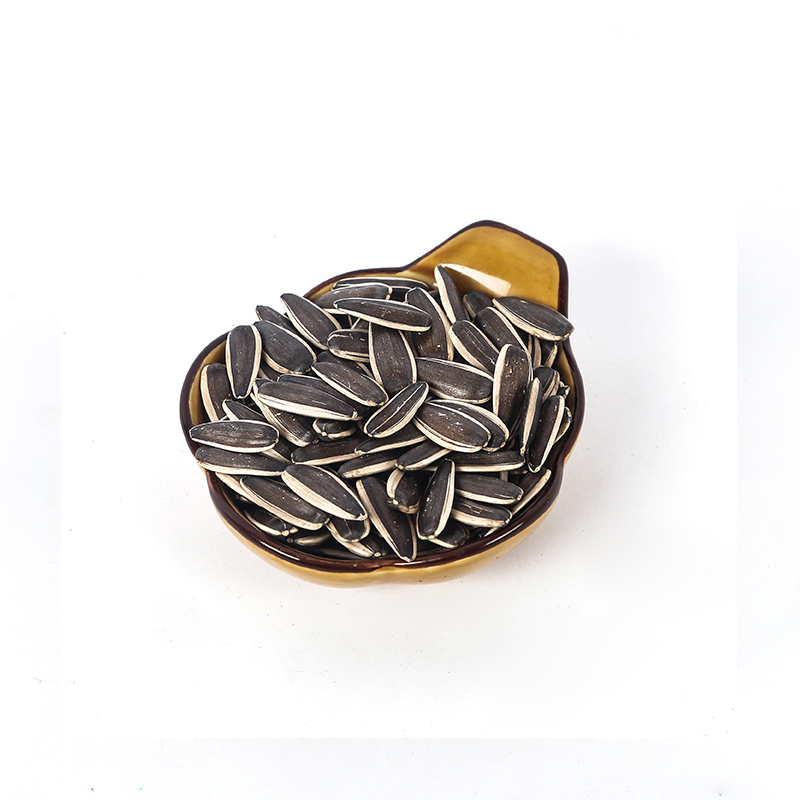
The raw material – the sugar kiss melon fruit – contains seeds encased within a fibrous matrix. Seed composition is approximately 65-70% water, 20-25% oil (primarily linoleic and oleic acids), 10-15% protein, and 5-8% carbohydrates. The seed coat (testa) is composed primarily of cellulose and lignin, providing physical protection and influencing dormancy. Manufacturing begins with harvesting mature fruits, followed by seed extraction through mechanical pulping and washing. This process aims to separate seeds from the fleshy pulp. Crucially, fermentation – a controlled enzymatic decomposition of residual pulp adhering to the seeds – is a critical parameter. Optimal fermentation duration (typically 24-72 hours) balances pulp removal with preventing seed coat damage and germination inhibition. Post-fermentation, seeds undergo cleaning, grading based on size and density, and drying to a moisture content of 7-9% to ensure long-term viability. Drying methods include air drying, forced-air drying, and vacuum drying. Precise temperature control (<40°C) during drying is essential to avoid thermal damage to the embryo. Seed coating, using polymers like polyvinyl alcohol (PVA) or clay-based materials, is common to improve flowability, protect against pathogens, and deliver nutrients. The coating process requires precise control of polymer concentration, application rate, and drying parameters to achieve uniform coverage without hindering germination.
Performance & Engineering
Germination performance is the primary engineering metric. Germination rate, typically assessed under controlled laboratory conditions (25-30°C, 80-90% relative humidity), should exceed 90% for high-quality seeds. Seedling vigor – measured by root length, shoot length, and cotyledon area – is crucial for establishing a strong, competitive plant. Environmental resistance is another key consideration. Sugar kiss melons are susceptible to fungal diseases such as powdery mildew (Podosphaera xanthii) and Fusarium wilt (Fusarium oxysporum f. sp. melo). Seed treatments with fungicides and the selection of disease-resistant varieties are critical. Compliance requirements vary by region, but generally include adherence to seed health standards (e.g., absence of regulated pathogens) and labeling regulations (e.g., germination rate, net weight, sell-by date). Force analysis is relevant in seed processing equipment design; minimizing mechanical damage during cleaning and grading is vital to maintain seed integrity. The structural integrity of the seed coat directly impacts its ability to withstand stresses during handling and transportation. Furthermore, understanding the osmotic potential of the seed and its interaction with soil moisture is critical for optimal water uptake during germination.
Technical Specifications
| Parameter | Unit | Standard Range | Test Method |
|---|---|---|---|
| Germination Rate | % | ≥ 90 | ISTA Procedure |
| Moisture Content | % | 7-9 | Oven Drying Method |
| Purity (Physical) | % | ≥ 98 | Visual Inspection & Seed Counting |
| Seed Size (Length) | mm | 8-12 | Seed Sizer |
| Oil Content | % | 20-25 | Soxhlet Extraction |
| Seed Coat Thickness | µm | 100-200 | Microscopy |
Failure Mode & Maintenance
Failure modes in sugar kiss melon seeds can be categorized into pre-germination and post-germination failures. Pre-germination failures include non-viability due to embryo damage during processing or storage, seed coat cracking leading to pathogen entry, and dormancy issues resulting in delayed or absent germination. Post-germination failures involve seedling death due to damping-off diseases (Pythium and Rhizoctonia), poor seedling vigor leading to susceptibility to environmental stresses, and genetic abnormalities causing stunted growth. Failure analysis involves microscopic examination of seeds to assess embryo integrity, viability testing (tetrazolium test), and pathogen screening. Maintenance protocols focus on proper storage conditions: low temperature (4-10°C), low humidity (<60% RH), and protection from light. Seed treatment with fungicides and insecticides can mitigate pathogen and insect damage. Periodic viability testing during storage is essential to monitor seed quality and determine shelf life. Proper cleaning and disinfection of seed processing equipment are critical to prevent the build-up of pathogens. Additionally, implementing a robust seed traceability system allows for the identification and isolation of problematic seed lots.
Industry FAQ
Q: What is the impact of seed lot variability on crop uniformity?
A: Significant seed lot variability, particularly in germination rate and seedling vigor, directly translates to reduced crop uniformity. Uneven emergence results in varying plant sizes and maturity dates, hindering efficient harvesting and impacting overall yield. It necessitates increased management inputs to compensate for the weaker plants and can lead to reduced market value due to inconsistent fruit quality.
Q: How does seed coating affect seedling establishment in challenging soil conditions?
A: Seed coating can significantly improve seedling establishment in suboptimal soil conditions. Polymer coatings enhance water absorption and retention, providing seedlings with a crucial moisture reserve during early growth stages. The addition of nutrients and beneficial microbes to the coating can further promote root development and enhance resistance to soilborne pathogens.
Q: What are the key indicators of seed deterioration during storage?
A: Key indicators include a decline in germination rate, reduced seedling vigor, increased incidence of abnormal seedlings, and visible signs of seed coat damage (cracking, discoloration). Monitoring moisture content is critical, as elevated levels accelerate deterioration. Regular viability testing is essential to detect subtle changes in seed quality before they become apparent through visible symptoms.
Q: What is the role of genetic purity in maintaining the 'sugar kiss' trait?
A: Genetic purity is paramount in preserving the ‘sugar kiss’ characteristic. Cross-pollination with other melon varieties can lead to genetic dilution and a reduction in sugar content. Rigorous breeding programs, coupled with isolation techniques during seed production, are crucial to maintain the genetic integrity of the cultivar. Periodic genetic analysis is recommended to confirm the purity of seed lots.
Q: How do different drying methods impact seed longevity?
A: Vacuum drying generally results in the highest seed longevity due to the lower temperatures employed, minimizing thermal damage. Forced-air drying is a more cost-effective option but requires precise temperature control to avoid overheating. Air drying is the simplest method but is susceptible to inconsistencies and may result in slower drying rates, increasing the risk of fungal growth. The optimal method depends on the scale of operation and the desired seed quality.
Conclusion
Sugar kiss melon seed production is a complex process requiring meticulous attention to detail throughout the entire supply chain, from fruit harvesting to seed storage. Maintaining high germination rates, genetic purity, and seedling vigor are critical for ensuring successful crop establishment and maximizing yield. Understanding the material science of the seed, optimizing manufacturing processes, and implementing robust quality control measures are paramount for producing consistent, high-quality seeds that meet the demands of the global melon market.
Future advancements in seed technology, such as precision seed coating and genetic marker-assisted selection, hold the potential to further enhance seed performance and resilience. Investing in research and development to address challenges related to disease resistance and climate change adaptation is essential for ensuring the long-term sustainability of sugar kiss melon production. Continuous monitoring of industry standards and adherence to best practices are vital for maintaining market competitiveness and upholding product quality.
