Introduction
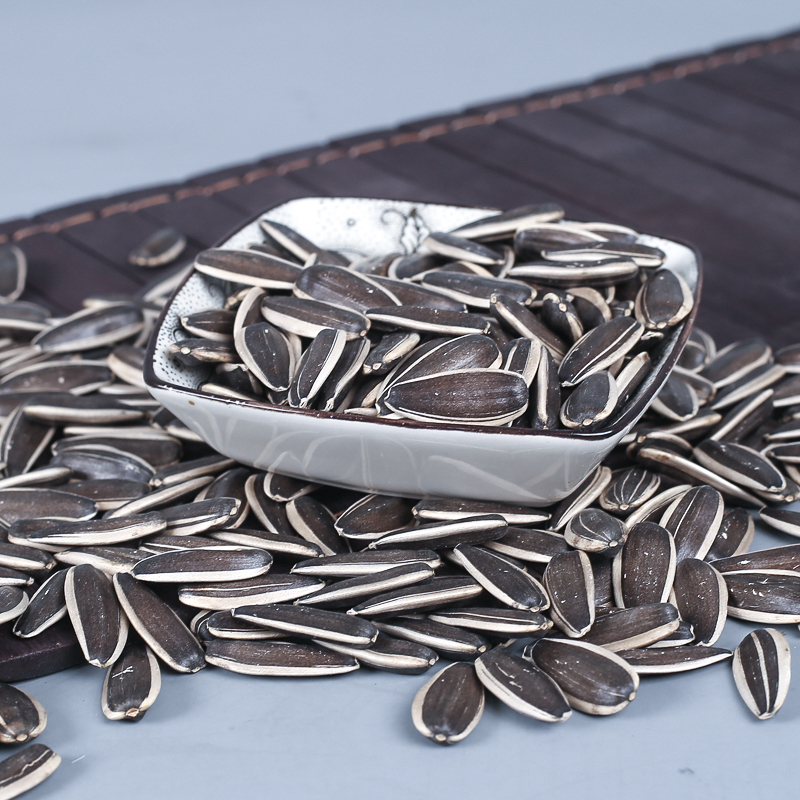
Snack sunflower seeds ( Helianthus annuus ) represent a significant segment of the global snack food industry, positioned as a healthy and convenient option for consumers. Their processing falls between primary agricultural production and the final consumer product, necessitating stringent quality control across multiple stages. The technical positioning of sunflower seeds involves a complex interplay of agronomic practices influencing seed composition, specialized dehulling and roasting techniques impacting flavor profile and shelf-life, and packaging materials ensuring product integrity. Core performance characteristics defining market acceptance include kernel size, oil content, protein content, moisture levels, absence of foreign matter, and sensory attributes such as flavor and texture. Addressing industry pain points, such as aflatoxin contamination, hulling efficiency, and rancidity development, is critical for manufacturers to maintain consumer trust and regulatory compliance.
Material Science & Manufacturing
The primary raw material, sunflower seeds, exhibit significant variability in composition based on cultivar, growing conditions (soil composition, climate, irrigation), and harvest timing. Kernel composition is dominated by lipids (40-55% oil content, primarily linoleic acid), proteins (18-25%), carbohydrates (15-20%), and fiber. The seed hull, composed primarily of cellulose and lignin, provides physical protection but must be efficiently removed during processing. Manufacturing commences with cleaning and grading of raw seeds to remove foreign materials (stones, stems, weed seeds). The dehulling process, typically employing mechanical abrasion, is a critical parameter impacting yield and kernel damage. Proper calibration of dehulling machines is paramount to minimize broken kernels and hull fragments. Following dehulling, seeds undergo sorting based on size and density. Roasting, conducted in continuous or batch roasters, develops the characteristic flavor profile through Maillard reactions and caramelization of sugars. Roasting temperature and duration are meticulously controlled to optimize flavor while minimizing acrylamide formation. Salting or seasoning occurs post-roasting. Finally, seeds are cooled, packaged, and sealed under modified atmosphere packaging (MAP) to extend shelf life. Critical parameters include moisture content (typically 8-10% post-roasting), oil oxidation levels (monitored via peroxide value), and control of microbial contamination. The materials of construction for processing equipment (stainless steel, food-grade polymers) must ensure compatibility with the acidic environment created by oil oxidation and prevent metal leaching.

Performance & Engineering
Performance assessment of snack sunflower seeds centers on several engineering considerations. Firstly, hulling efficiency – the ratio of successfully dehulled kernels to total seeds processed – directly impacts production cost and waste generation. Force analysis of the dehulling process reveals the critical need to balance abrasive force with kernel integrity. Excessive force leads to breakage, while insufficient force results in incomplete hull removal. Secondly, the thermal transfer during roasting is crucial. Heat transfer coefficients, determined by seed size, shape, and moisture content, dictate the roasting profile. Computational fluid dynamics (CFD) modeling can optimize roaster design for uniform heating. Environmental resistance is primarily focused on moisture ingress and oxygen permeability of packaging materials. Barrier properties are evaluated using Water Vapor Transmission Rate (WVTR) and Oxygen Transmission Rate (OTR) testing. Compliance requirements include adherence to food safety regulations (FDA in the US, EFSA in Europe), limits on heavy metal contamination (lead, cadmium), and maximum residue levels for pesticides. Functional implementation necessitates precise control of roasting temperature to prevent the formation of harmful compounds like acrylamide, which is monitored through regular laboratory analysis. Furthermore, packaging must withstand handling and transportation stresses without compromising product integrity, evaluated through drop tests and vibration analysis.
Technical Specifications
| Parameter | Unit | Typical Range | Testing Method |
|---|---|---|---|
| Kernel Oil Content | % (Dry Basis) | 48-58 | Soxhlet Extraction (AOCS Official Method) |
| Kernel Moisture Content | % (Wet Basis) | 6-10 | Oven Drying (AACC Method) |
| Kernel Protein Content | % (Dry Basis) | 18-24 | Kjeldahl Method (AOCS Official Method) |
| Kernel Size (Diameter) | mm | 8-12 | Sieve Analysis |
| Aflatoxin B1 Level | ppb | < 2 | HPLC with Fluorescence Detection (AOAC Official Method) |
| Peroxide Value (Oil) | meq O2/kg | < 5 | Titration Method (AOCS Official Method) |
Failure Mode & Maintenance
Failure modes in snack sunflower seeds can be categorized as chemical, physical, and biological. Rancidity, caused by lipid oxidation, is a primary chemical degradation pathway, resulting in off-flavors and reduced shelf life. This is exacerbated by exposure to oxygen, light, and elevated temperatures. Physical failures include kernel breakage during dehulling or handling, leading to increased fines and dust. Hull fragments can also impart undesirable textural properties. Moisture absorption can induce clumping and promote microbial growth. Biological failures are driven by microbial contamination, primarily molds producing mycotoxins (aflatoxins). Aflatoxin contamination is a significant food safety concern, requiring rigorous monitoring and preventative measures. Maintenance solutions include optimizing roasting parameters to minimize lipid oxidation, implementing MAP packaging with high barrier properties, maintaining strict hygiene standards throughout processing, and regular monitoring for aflatoxins. Equipment maintenance, focusing on dehulling machines and roasters, is critical for minimizing kernel damage and ensuring consistent product quality. Regular cleaning and lubrication of machinery components prevent wear and tear, extending equipment lifespan and reducing the risk of contamination. Preventive maintenance schedules based on operating hours and historical failure data are essential.
Industry FAQ
Q: What is the optimal moisture content for roasted sunflower seeds to maximize shelf life?
A: The optimal moisture content for roasted sunflower seeds is typically between 6-10% (wet basis). Lower moisture levels reduce water activity, inhibiting microbial growth and slowing down lipid oxidation. However, excessively low moisture content can result in a dry, brittle texture. Precise control during the cooling stage after roasting is vital.
Q: How can we effectively minimize aflatoxin contamination in sunflower seeds?
A: Minimizing aflatoxin contamination requires a multi-faceted approach. This includes sourcing seeds from regions with low aflatoxin prevalence, implementing rigorous pre-harvest monitoring of fields, utilizing proper drying techniques to reduce moisture content rapidly, employing effective cleaning and sorting procedures to remove contaminated kernels, and utilizing food-grade anti-mould agents where permitted by regulations.
Q: What are the critical parameters to monitor during the roasting process to prevent acrylamide formation?
A: The key parameters to monitor are roasting temperature, roasting time, and seed moisture content. Higher temperatures and longer roasting times increase acrylamide formation. Maintaining a consistent roasting profile and controlling moisture content below 10% are crucial. Regular laboratory analysis of acrylamide levels is also essential.
Q: What is the significance of peroxide value in assessing sunflower seed quality?
A: Peroxide value (PV) is an indicator of the extent of lipid oxidation. A higher PV indicates a greater degree of rancidity and reduced product quality. Monitoring PV during storage helps determine shelf life and assess the effectiveness of packaging and antioxidant additives. A PV of less than 5 meq O2/kg is generally considered acceptable for snack sunflower seeds.
Q: How does packaging material impact the shelf life of roasted sunflower seeds?
A: Packaging material significantly impacts shelf life by controlling the ingress of oxygen and moisture. High-barrier materials, such as metalized films or multi-layer polymers with aluminum foil, minimize OTR and WVTR, slowing down lipid oxidation and preventing microbial growth. Modified Atmosphere Packaging (MAP) using nitrogen flushing further enhances shelf life by displacing oxygen.
Conclusion
The production of high-quality snack sunflower seeds necessitates a comprehensive understanding of material science, manufacturing processes, and quality control measures. Achieving optimal performance requires precise control over parameters such as dehulling efficiency, roasting profiles, and packaging integrity. Addressing industry challenges related to aflatoxin contamination, rancidity, and kernel damage is paramount for ensuring product safety and consumer satisfaction.
Future advancements will likely focus on developing more efficient dehulling technologies, optimizing roasting processes to minimize harmful compound formation, and employing innovative packaging materials with enhanced barrier properties. Continued research into sunflower breeding programs aimed at improving seed composition and resistance to mycotoxin contamination will also contribute to the long-term sustainability and competitiveness of the snack sunflower seed industry.
