Introduction
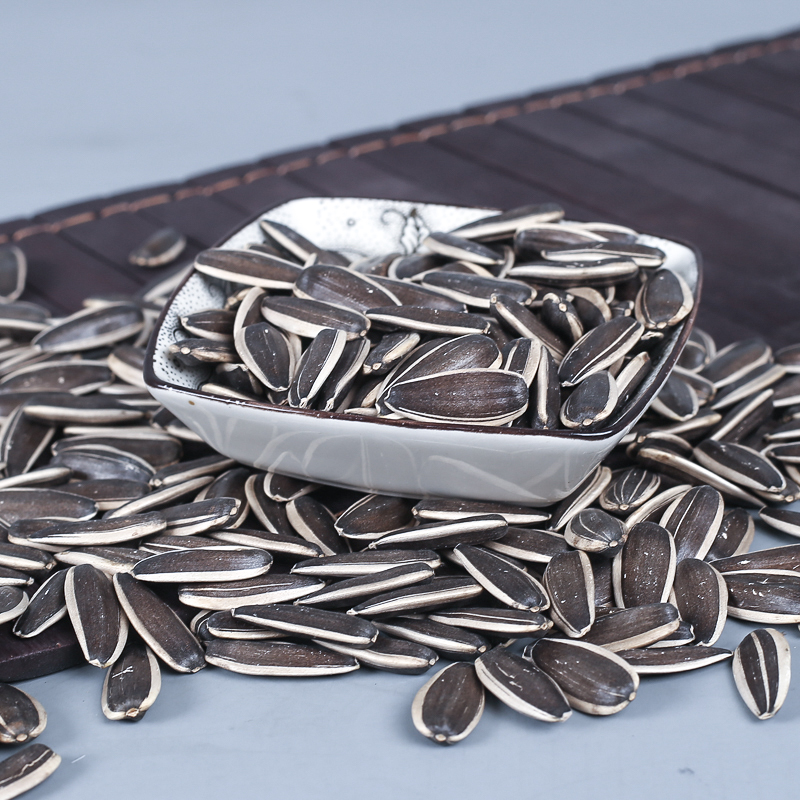
Small melon seeds (Cucumis melo var. flexuosus) represent a vital component within the agricultural processing chain, serving as a foundational input for edible oil production, snack foods, and increasingly, as a source of plant-based protein. Technically positioned between primary agricultural production and consumer goods, their quality directly influences downstream processing efficiency and final product attributes. Core performance characteristics hinge upon kernel size uniformity, oil content percentage, moisture content, and freedom from contaminants like aflatoxins and extraneous matter. The industry faces consistent challenges relating to seed viability, efficient dehulling processes, and maintaining consistent oil quality amidst fluctuating environmental conditions. Proper handling and storage are paramount to prevent rancidity and preserve nutritional value, demanding a thorough understanding of seed physiology and preservation techniques.
Material Science & Manufacturing
Small melon seeds are primarily composed of lipids (35-55%), proteins (20-30%), carbohydrates (10-20%), and moisture (5-15%). The lipid fraction largely comprises unsaturated fatty acids, particularly linoleic acid, contributing to the seed’s nutritional value. The seed coat, primarily cellulose and lignin, provides a protective barrier but presents challenges during dehulling. Manufacturing begins with harvesting, followed by drying to reduce moisture content to approximately 8-10% to inhibit fungal growth. Dehulling is typically achieved mechanically using impact or friction methods, though these can damage the kernels. Subsequent cleaning removes extraneous matter. Oil extraction commonly utilizes mechanical pressing (expeller pressing) or solvent extraction (hexane). Expeller pressing yields a crude oil with higher quality but lower yield, while solvent extraction provides higher yields but requires further refining. Key parameter control during drying includes maintaining temperature below 50°C to prevent lipid oxidation. Dehulling efficiency depends on seed moisture content and impact force; excessive force leads to kernel breakage. Refining processes focus on removing free fatty acids, phospholipids, and colorants to achieve desired oil quality. Protein isolation from the seed meal involves techniques like alkaline extraction and isoelectric precipitation, requiring careful pH and temperature control.
Performance & Engineering
The structural integrity of the seed kernel under compressive forces during dehulling and pressing is critical. Finite Element Analysis (FEA) can model stress distribution within the kernel, optimizing process parameters to minimize breakage. Environmental resistance, particularly to humidity and temperature fluctuations, impacts seed viability and oil stability. The water activity (aw) of the seeds is a crucial factor determining microbial growth; maintaining aw below 0.6 is essential for long-term storage. Compliance requirements dictate maximum permissible levels of aflatoxins (B1, B2, G1, G2) as established by regulatory bodies. The oil’s oxidative stability, measured by Rancimat testing, dictates shelf life. Functional implementation of the seed oil involves understanding its viscosity, surface tension, and pour point for applications in food processing and industrial lubricants. Thermal conductivity of the seed mass is relevant for efficient drying operations. Seed size and shape uniformity are essential for efficient pneumatic sorting and grading systems. Efficient heat transfer during drying is vital to ensure even moisture removal and prevent localized overheating, impacting oil quality.
Technical Specifications
| Parameter | Unit | Typical Value (Range) | Test Method |
|---|---|---|---|
| Oil Content | % (dry weight basis) | 40-50 | Soxhlet Extraction (AOAC 920.39) |
| Moisture Content | % | 8-12 | Oven Drying (AOAC 925.10) |
| Protein Content | % (dry weight basis) | 25-35 | Kjeldahl Method (AOAC 920.87) |
| Kernel Size (Average Diameter) | mm | 6-8 | Sieve Analysis |
| Aflatoxin B1 | ppb | < 2 | HPLC-FLD (AOAC 991.30) |
| Acid Value | mg KOH/g | < 1.0 | Titration (AOCS Cd 3-25) |
Failure Mode & Maintenance
Failure modes in small melon seed processing and storage are diverse. Kernel cracking during dehulling, often due to excessive impact force or improper moisture content, results in yield loss and increased fines. Lipid oxidation, leading to rancidity, is accelerated by high temperatures, exposure to oxygen, and presence of metal catalysts. Aflatoxin contamination, a critical safety concern, occurs due to fungal growth during pre-harvest or post-harvest stages, especially under humid conditions. Storage under inadequate conditions (high temperature, humidity) promotes insect infestation and microbial spoilage. Mechanical failures in processing equipment (dehullers, presses) arise from wear and tear, improper lubrication, or overloading. Maintenance solutions involve regular equipment inspections, lubrication, and replacement of worn parts. Optimized drying and storage conditions, including temperature control (below 15°C) and humidity control (below 60%), are crucial. Implementing robust HACCP plans to monitor and control aflatoxin levels is essential. Proper cleaning and sanitation of processing equipment minimize microbial contamination. Seed grading and sorting remove damaged or defective seeds, improving overall quality.
Industry FAQ
Q: What is the impact of seed moisture content on oil yield and quality?
A: Seed moisture content is a critical parameter. Too high, and it promotes fungal growth and enzymatic activity, leading to reduced oil quality (increased free fatty acids) and potential aflatoxin contamination. Too low, and it can cause kernel cracking during dehulling, reducing oil yield. Optimal moisture content for efficient processing is typically between 8-10%.
Q: How can aflatoxin contamination be effectively prevented?
A: Aflatoxin prevention requires a multi-pronged approach. This includes selecting disease-resistant seed varieties, implementing proper agricultural practices to minimize pre-harvest contamination, rapid and thorough drying of seeds after harvest, maintaining hygienic storage conditions (low temperature, humidity), and regular monitoring of aflatoxin levels during processing.
Q: What are the key differences between expeller pressing and solvent extraction for oil production?
A: Expeller pressing is a mechanical process that uses pressure to extract oil, resulting in a crude oil with higher quality but lower yield. Solvent extraction uses hexane to dissolve the oil, yielding a higher quantity but requiring further refining to remove residual solvent. The choice depends on desired oil quality versus yield and cost considerations.
Q: How does the seed coat composition affect the dehulling process?
A: The seed coat's cellulose and lignin content influences its toughness and resistance to cracking. A thicker, more rigid seed coat requires greater force for dehulling, increasing the risk of kernel damage. Pre-treatment methods, such as heat or chemical softening, can sometimes improve dehulling efficiency without compromising kernel quality.
Q: What analytical methods are essential for quality control of small melon seeds and their oil?
A: Essential analytical methods include moisture content determination (oven drying), oil content analysis (Soxhlet extraction), protein content analysis (Kjeldahl method), aflatoxin analysis (HPLC-FLD), acid value determination (titration), peroxide value (iodometric titration), and fatty acid profile analysis (gas chromatography).
Conclusion
Small melon seed processing is a complex interplay of agricultural science, material properties, and engineering principles. Maintaining consistent seed quality, optimizing processing parameters, and ensuring adherence to stringent safety regulations are paramount to delivering a high-value product. Understanding the nuances of seed composition, failure modes, and the influence of environmental factors is crucial for minimizing losses and maximizing efficiency within the industry.
Future developments will likely focus on improved dehulling technologies minimizing kernel damage, advanced protein isolation techniques enhancing nutritional value, and the implementation of real-time monitoring systems for aflatoxin detection. Sustainable sourcing practices and waste valorization strategies (utilizing seed meal as animal feed or fertilizer) will also play an increasing role in the long-term viability of the small melon seed industry.
