Introduction
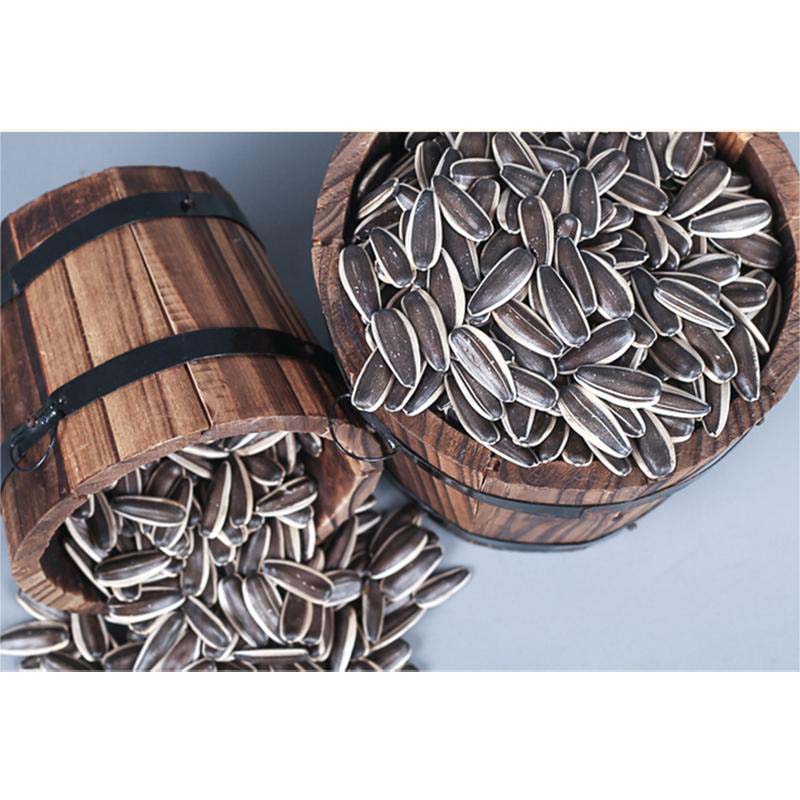
Shelled melon seeds, derived primarily from Cucurbita pepo varieties, represent a significant processed food commodity within the snack food and confectionery industries. Technically classified as the seeds of the melon fruit, these seeds undergo a specialized processing sequence involving cleaning, drying, shelling, and often roasting or flavoring. Their industrial position lies within the agricultural processing chain, bridging the gap between raw agricultural output and consumer-packaged goods. Core performance characteristics revolve around nutritional value (protein, fats, micronutrients), textural properties (crispness, chewiness), and sensory attributes (flavor, aroma). Achieving consistent quality in these areas is a central challenge for producers, driving innovation in processing techniques and quality control methodologies. The growing demand for healthy snacking options and plant-based proteins further elevates the importance of understanding the technical intricacies of shelled melon seed production.
Material Science & Manufacturing
The primary raw material is the seed itself, composed of approximately 50-60% oil, 20-30% protein, and 10-15% carbohydrates, along with trace minerals and vitamins. The oil consists largely of linoleic acid (omega-6) and oleic acid (omega-9), crucial to nutritional value but also subject to oxidation. The seed coat, primarily cellulose and lignin, requires mechanical removal during shelling, a process prone to fracturing and resulting in seed fragment generation. Manufacturing begins with harvesting mature melons, followed by seed extraction and washing. Drying is critical, typically employing forced-air drying to reduce moisture content to below 8% to inhibit mold growth and enzymatic activity. Shelling employs impact-based mechanical methods, requiring precise calibration of impact force to maximize yield and minimize seed damage. Roasting, often performed at temperatures between 120-180°C, develops characteristic flavor profiles through Maillard reactions and caramelization. Precise temperature control and humidity regulation during roasting are crucial to avoid scorching and off-flavor development. Seasoning, involving the application of salt, spices, or coatings, necessitates uniform distribution and adhesion to the seed surface, often employing tumbling and spray application techniques. Quality control includes assessing seed size uniformity, moisture content, oil content, and the absence of foreign materials.
Performance & Engineering
Performance analysis of shelled melon seeds focuses on fracture strength, bulk density, and moisture sensitivity. Fracture strength, measured using compression testing, dictates the textural profile (crispness). Higher fracture strength correlates to a tougher, less brittle product. Bulk density impacts packaging efficiency and shipping costs. Maintaining consistent bulk density requires controlled roasting and cooling procedures. Moisture sensitivity is a critical factor influencing shelf life. Even minimal moisture absorption can lead to rancidity and microbial growth. Protective packaging with low oxygen transmission rates (OTR) and low water vapor transmission rates (WVTR) is therefore paramount. Engineering considerations include optimizing shelling machinery to minimize seed breakage and developing roasting systems with uniform temperature distribution. Compliance requirements include adherence to food safety standards (HACCP) and regulations regarding permissible levels of contaminants (aflatoxins, heavy metals). Process analytical technology (PAT) is increasingly employed to monitor key parameters (moisture content, oil content, color) in real-time, enabling rapid adjustments to maintain product quality. Shelf-life studies, conducted under controlled temperature and humidity conditions, are essential to determine optimal storage conditions and expiry dates.
Technical Specifications
| Parameter | Unit | Specification Range | Test Method |
|---|---|---|---|
| Moisture Content | % (w/w) | ≤ 8.0 | AOAC 925.10 |
| Oil Content | % (w/w) | 45 – 60 | Soxhlet Extraction (AOAC 920.39) |
| Protein Content | % (w/w) | 25 – 35 | Kjeldahl Method (AOAC 920.87) |
| Fracture Strength | N | 20 – 50 | Compression Testing (ASTM D695) |
| Bulk Density | g/cm³ | 0.4 – 0.6 | ASTM D792 |
| Peroxide Value | meq O₂/kg | ≤ 5.0 | AOAC 923.23 |
Failure Mode & Maintenance
Common failure modes include rancidity due to lipid oxidation, evidenced by off-flavors and odors. This is accelerated by exposure to oxygen, light, and elevated temperatures. Mechanical damage during shelling and processing can lead to seed fragments and increased surface area, exacerbating oxidation. Microbial contamination, particularly mold growth (Aspergillus spp.), can result in aflatoxin production, a serious health hazard. This is promoted by high moisture content and inadequate sanitation. Physical defects, such as cracked or broken seeds, reduce product appeal and can impact texture. Packaging failure, leading to increased oxygen and moisture exposure, contributes to degradation. Maintenance strategies involve rigorous sanitation procedures throughout the processing line, regular monitoring of moisture content and oil quality, and employing antioxidant packaging materials. Storage facilities should be cool, dry, and well-ventilated. Preventative maintenance on shelling and roasting equipment minimizes mechanical damage. Regular aflatoxin testing is crucial to ensure product safety. Implementing a robust traceability system facilitates rapid recall in the event of contamination.
Industry FAQ
Q: What are the primary factors influencing the shelf life of shelled melon seeds?
A: The primary factors are moisture content, oil oxidation (rancidity), and microbial contamination. Maintaining low moisture levels (<8%), utilizing antioxidant packaging, and ensuring proper sanitation throughout the processing line are critical to maximizing shelf life. Temperature and light exposure also play significant roles, accelerating degradation processes.
Q: How does the shelling process impact the final product quality?
A: The shelling process directly influences seed breakage and fragmentation. Excessive impact force leads to increased breakage, resulting in a less appealing product and increased surface area for oxidation. Precise calibration of shelling machinery and gentle handling are essential to minimize damage.
Q: What methods are used to control aflatoxin contamination?
A: Control measures include sourcing seeds from reputable suppliers with established aflatoxin control programs, rigorous cleaning and sorting of raw materials, proper drying to reduce moisture content, maintaining hygienic processing conditions, and regular aflatoxin testing of finished products. Implementing a HACCP plan is critical.
Q: How is the roasting process optimized for flavor development and product safety?
A: Roasting temperature and time are precisely controlled to develop desired flavor profiles through Maillard reactions and caramelization. Maintaining a uniform temperature distribution prevents scorching and off-flavor development. Monitoring moisture content during roasting is also crucial. Process Analytical Technology (PAT) can be employed for real-time process control.
Q: What packaging materials are recommended for shelled melon seeds?
A: Packaging materials with low oxygen transmission rates (OTR) and low water vapor transmission rates (WVTR) are recommended to prevent rancidity and moisture absorption. Metallized films, multi-layer laminates, and vacuum packaging provide effective barriers. Antioxidant packaging materials can further enhance shelf life.
Conclusion
Shelled melon seeds, while seemingly a simple snack food, involve a complex interplay of material science, manufacturing engineering, and quality control. Achieving optimal product characteristics – nutritional value, textural integrity, and sensory appeal – requires a deep understanding of seed composition, processing parameters, and degradation mechanisms. Maintaining product safety, particularly controlling aflatoxin contamination, is paramount, demanding rigorous adherence to food safety standards.
Future development will likely focus on innovative processing technologies to minimize seed damage during shelling, enhance flavor profiles through controlled roasting techniques, and develop sustainable packaging solutions with improved barrier properties. Implementing advanced analytical methods for real-time quality control and exploring novel coating technologies to enhance flavor retention and protect against oxidation will also be key areas of research and development.
