Introduction
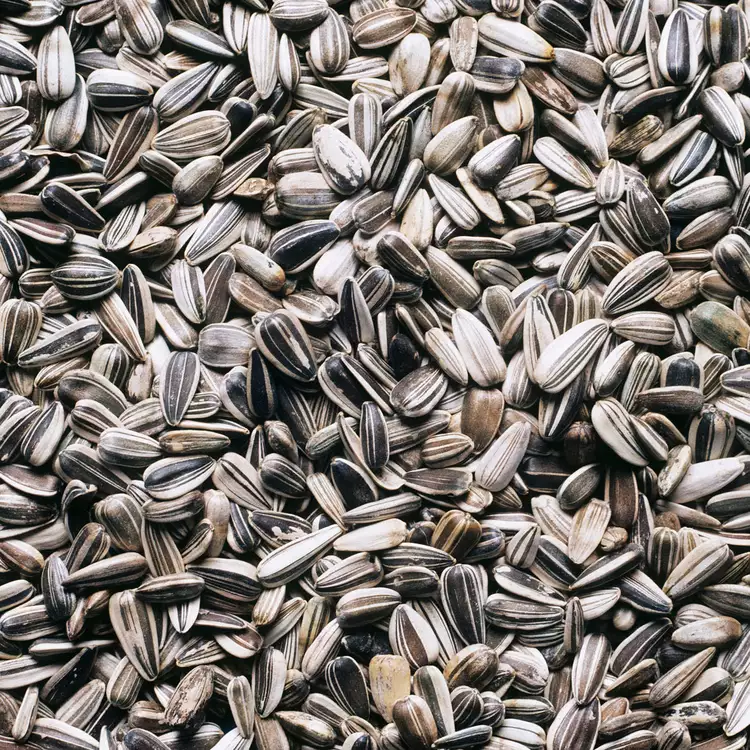
Seed melon, Cucumis melo var. seminis, represents a significant segment within the cucurbit family, distinguished by its edible seeds and characteristic fruit structure. Its technical position in the agricultural supply chain is as a fresh produce commodity, requiring careful consideration of post-harvest physiology, storage conditions, and transport logistics. Core performance characteristics include seed viability, fruit sugar content (Brix), flesh firmness, and resistance to common fungal and bacterial pathogens. This guide provides a comprehensive technical overview of seed melon, addressing its material properties, manufacturing (agricultural) practices, performance specifications, failure modes, and relevant industry standards. Unlike other melon varieties, seed melon demands specific agronomic practices to optimize seed development, impacting both nutritional value and market acceptability. The primary pain points within the industry revolve around achieving consistent seed quality, minimizing pre- and post-harvest losses due to disease, and ensuring compliance with stringent food safety regulations.
Material Science & Manufacturing
The seed melon fruit comprises several key components, each exhibiting unique material properties. The rind, primarily composed of cellulose, hemicellulose, and lignin, provides structural support and a barrier against pathogens. Its tensile strength, typically ranging from 2.5-4.0 MPa, varies with cultivar and maturity. The flesh, predominantly water (88-95%) and carbohydrates (sucrose, fructose, glucose), exhibits viscoelastic behavior. The seeds themselves, approximately 6-10mm in length, consist of an embryo, endosperm (rich in oils and proteins), and a seed coat. The seed coat, composed primarily of lignified cells, provides protection against mechanical damage and desiccation. Oil content in the seeds typically ranges from 25-40%, consisting largely of linoleic acid. Manufacturing, in this context, refers to the agricultural practices involved in cultivation. Key parameters include soil composition (pH 6.0-6.8, loam or sandy loam), irrigation management (maintaining optimal soil moisture content), fertilization (nitrogen, phosphorus, potassium), and pest/disease control. Grafting onto disease-resistant rootstocks is a common practice to enhance plant vigor and reduce reliance on chemical pesticides. Controlled pollination, often utilizing insect vectors or hand pollination, is crucial for achieving uniform fruit set and seed development. Post-harvest handling involves careful harvesting techniques (avoiding bruising), cooling to 4-7°C, and storage under high humidity (90-95%) to minimize water loss and maintain quality. Ethylene production during ripening necessitates controlled atmosphere storage to extend shelf life.
Performance & Engineering
Performance of seed melon is assessed based on several engineering principles. The compressive strength of the fruit, relevant to transportation and storage, ranges from 0.5-1.5 MPa depending on cultivar and ripeness stage. Force analysis during harvesting determines optimal cutting forces to minimize damage to the fruit and vine. Environmental resistance is crucial; seed melon is susceptible to cracking due to rapid temperature fluctuations and chilling injury at temperatures below 8°C. The water vapor transmission rate (WVTR) of the rind, typically 20-30 g/m²/day, dictates the rate of moisture loss during storage. Compliance requirements encompass food safety regulations (e.g., FDA, EFSA), pesticide residue limits (MRLs), and heavy metal concentrations. Functional implementation involves optimizing seed development for nutritional value. Increasing the concentration of unsaturated fatty acids in the seeds requires selecting cultivars with favorable oil profiles and providing adequate levels of essential nutrients during fruit development. Seed melon’s susceptibility to fungal pathogens (e.g., Fusarium oxysporum, Alternaria cucumerina) necessitates the application of appropriate fungicides and the implementation of integrated pest management strategies. The thermal properties of the fruit, specifically its specific heat capacity (approximately 3.9 kJ/kg·K), are important considerations for optimizing cooling rates and preventing thermal damage.
Technical Specifications
| Parameter | Unit | Typical Value | Testing Method |
|---|---|---|---|
| Fruit Weight | kg | 1.5 - 3.0 | Digital Scale |
| Total Soluble Solids (Brix) | °Bx | 9 - 12 | Refractometry |
| Flesh Firmness | N | 20 - 50 | Penetrometer |
| Seed Oil Content | % (dry weight) | 25 - 40 | Soxhlet Extraction |
| Seed Moisture Content | % (wet weight) | 8 - 12 | Oven Drying |
| Rind Thickness | mm | 10 - 20 | Calipers |
Failure Mode & Maintenance
Seed melon is susceptible to several failure modes throughout its lifecycle. Fatigue cracking of the rind can occur during handling and transportation, particularly under fluctuating temperatures. Delamination of the flesh, caused by enzymatic degradation, leads to softening and loss of texture. Degradation of chlorophyll results in color changes and reduced visual appeal. Oxidation of lipids in the seeds leads to rancidity and off-flavors. Biological failure modes include fungal rot (Botrytis cinerea, Sclerotinia sclerotiorum), bacterial soft rot (Erwinia carotovora), and viral infections. Maintenance, primarily focused on preventative measures, includes proper sanitation of harvesting and storage facilities, control of humidity and temperature, and application of appropriate post-harvest treatments. Ethylene scavengers can be used to delay ripening and extend shelf life. Seed storage requires low temperature (4-10°C) and low humidity (50-60%) to maintain viability. Regular inspection of fruit during storage is essential to identify and remove infected or damaged specimens. Preventative fungicide applications in the field, based on disease forecasting models, can significantly reduce the incidence of post-harvest decay. Seed treatments with fungicides and insecticides are often employed to protect seedlings from early-season pests and diseases.
Industry FAQ
Q: What are the critical factors influencing seed viability in seed melon?
A: Seed viability is primarily affected by seed moisture content, storage temperature, and seed coat integrity. Maintaining a low moisture content (8-12%) and storing seeds at 4-10°C are crucial for preserving germination rates. Genetic factors also play a role, with certain cultivars exhibiting inherently higher seed viability than others. Proper harvesting techniques to avoid seed damage during extraction are essential.
Q: How does irrigation management impact fruit quality and seed development?
A: Optimal irrigation management is critical for both fruit quality and seed development. Water stress during fruit development can lead to reduced fruit size, lower sugar content, and decreased seed size. Excessive irrigation can promote fungal diseases and dilute sugar concentrations. Drip irrigation systems, coupled with soil moisture sensors, allow for precise water delivery and minimize water waste.
Q: What are the main challenges associated with controlling fungal diseases in seed melon?
A: The primary challenges are the rapid development of fungicide resistance, the wide host range of many fungal pathogens, and the difficulty in achieving complete disease control. Integrated pest management strategies, incorporating cultural practices (e.g., crop rotation, sanitation), biological control agents, and judicious use of fungicides, are essential for sustainable disease management.
Q: What are the acceptable limits for pesticide residues on seed melon destined for export markets?
A: Acceptable limits vary depending on the importing country and the specific pesticide used. Maximum Residue Limits (MRLs) are established by regulatory bodies such as the FDA (US), EFSA (Europe), and Codex Alimentarius. Growers must adhere to these MRLs to ensure compliance and avoid rejection of their products.
Q: How can we improve the shelf life of seed melon after harvest?
A: Improving shelf life involves a combination of techniques. Rapid cooling to 4-7°C immediately after harvest slows down metabolic processes. Controlled atmosphere storage (reduced oxygen and elevated carbon dioxide) further extends shelf life. Applying edible coatings can reduce water loss and protect against fungal decay. Careful handling to minimize bruising is also critical.
Conclusion
Seed melon production requires a holistic understanding of its material properties, agricultural practices, and post-harvest handling requirements. Successfully navigating the challenges associated with seed quality, disease control, and regulatory compliance hinges on implementing scientifically sound agronomic strategies and adopting advanced technologies. The interplay between genetics, environment, and management practices ultimately dictates the quality and marketability of this important cucurbit crop.
Future research should focus on developing disease-resistant cultivars, optimizing irrigation management for enhanced seed development, and exploring novel post-harvest technologies to further extend shelf life and reduce food waste. Emphasis on sustainable agricultural practices, minimizing pesticide use, and promoting biodiversity will be crucial for ensuring the long-term viability of the seed melon industry.
