Introduction
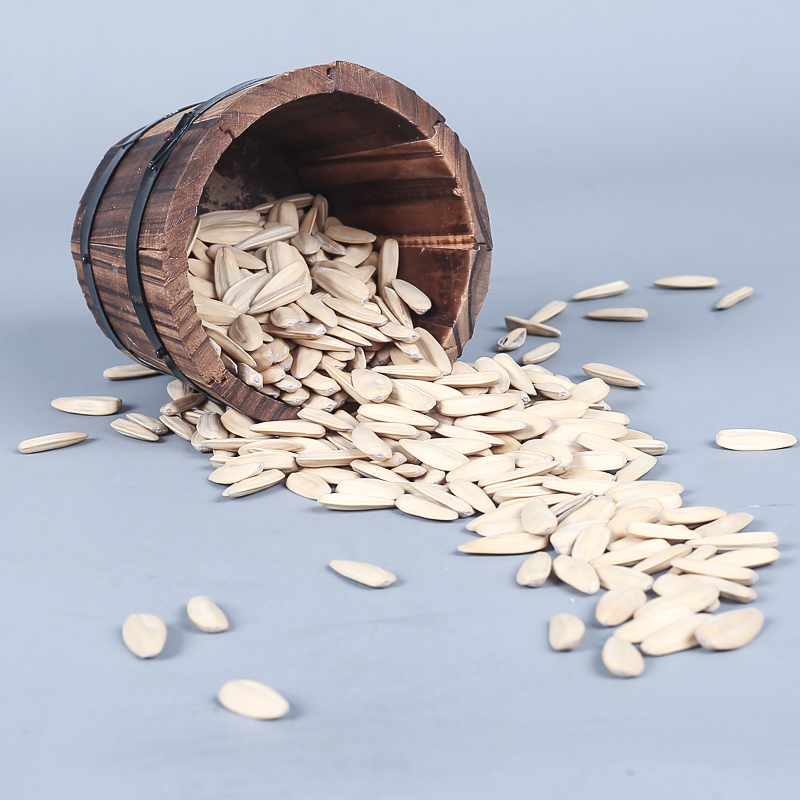
Saltless sunflower seeds represent a significant segment within the broader snack food industry, distinguished by the deliberate exclusion of sodium chloride during processing. These seeds, typically derived from Helianthus annuus, are consumed globally as a standalone snack or as an ingredient in trail mixes and other food products. Their technical position within the food supply chain resides post-harvest; encompassing cleaning, dehulling, drying, grading, and final flavoring – or, in this case, the absence of flavoring beyond inherent seed characteristics. Core performance parameters revolve around seed maturity at harvest, oil content, kernel size consistency, and the preservation of nutritional value without the use of salt. The industry faces increasing demands for healthier snack options, driving demand for salt-free alternatives, and simultaneously requires maintaining palatability and textural appeal. The challenge is achieving these characteristics through optimized processing techniques and seed variety selection.
Material Science & Manufacturing
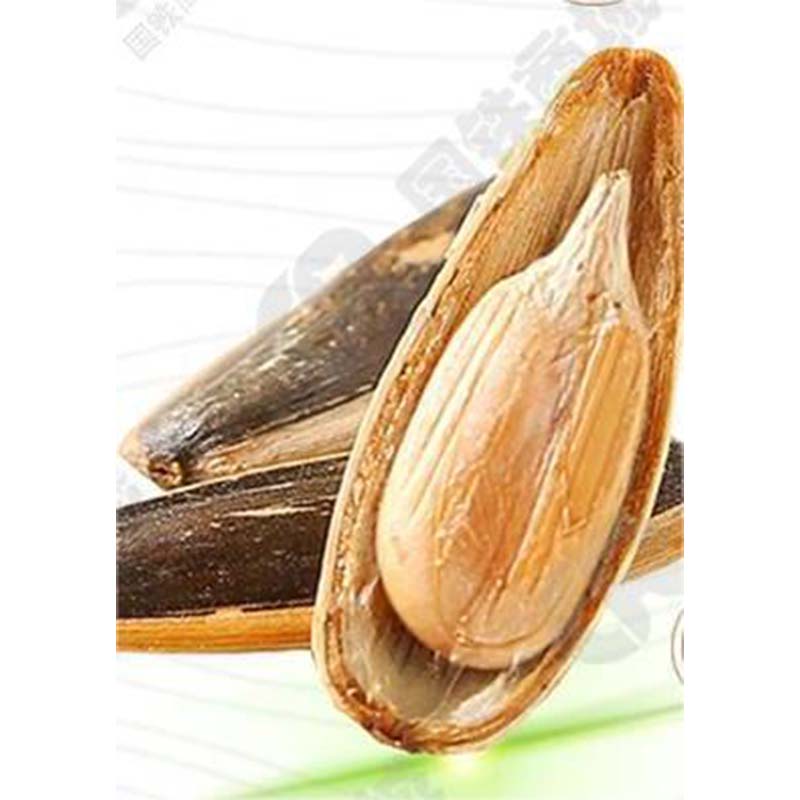
The primary raw material, sunflower seeds, exhibit varying chemical compositions based on genetic lineage (hybrids versus open-pollinated) and growing conditions. Key components include approximately 35-55% oil (primarily linoleic acid – C18:2 – and oleic acid – C18:1), 20-30% protein, 15-20% carbohydrate (primarily cellulose in the hull), and a notable presence of Vitamin E and other antioxidants. The hull, a rigid lignocellulosic structure, necessitates dehulling – a mechanical process utilizing impact and friction. Following dehulling, seeds undergo drying, typically employing fluid-bed dryers with controlled air temperature (around 60-80°C) to reduce moisture content to 6-8% for optimal storage stability and to prevent rancidity. Grading is performed based on kernel size and density, utilizing screens and air classifiers. Maintaining a consistent kernel size is critical for uniform roasting (even if unroasted in the case of saltless seeds) and optimal texture. Parameter control focuses on minimizing cracked kernels (indicating mechanical damage affecting oil stability) and maintaining low levels of free fatty acids (indicating lipid oxidation). Dehulling efficiency is paramount, as residual hull fragments contribute to undesirable textural qualities. Manufacturing tolerances relating to moisture content are strictly governed by Aw (water activity) limits to inhibit microbial growth. Careful control of temperature and time during drying minimizes Maillard reaction products and preserves the natural flavor profile.
Performance & Engineering
The engineering considerations for saltless sunflower seeds center on maintaining kernel integrity throughout processing and packaging, and ensuring optimal sensory attributes in the absence of salt. Force analysis during dehulling focuses on minimizing compressive forces that cause kernel damage. The impact resistance of the kernel is directly related to its moisture content; overly dry kernels are more brittle and prone to fracture. Environmental resistance concerns primarily relate to lipid oxidation and moisture uptake. Packaging materials must provide a robust barrier against oxygen and water vapor to extend shelf life. Compliance requirements involve adherence to food safety standards (HACCP, GMP) and labeling regulations regarding nutritional content and allergen information. Functional implementation includes optimizing packaging for ease of opening and consumption, and ensuring that packaging materials do not impart off-flavors or odors to the seeds. The textural properties, notably the crunchiness, are dependent on the kernel's internal structure and its ability to fracture under compressive force. The absence of salt necessitates optimized roasting parameters (if roasted) or alternative flavoring techniques (if flavored) to enhance palatability. Furthermore, the selection of seed varieties with naturally higher protein and fat content enhances the perceived fullness and satisfaction derived from consumption.
Technical Specifications
| Parameter | Unit | Typical Value (Saltless Sunflower Seeds) | Acceptable Range |
|---|---|---|---|
| Kernel Moisture Content | % (Weight) | 7.0 | 6.0 – 8.5 |
| Oil Content | % (Weight) | 48.0 | 45.0 – 55.0 |
| Protein Content | % (Weight) | 22.0 | 20.0 – 25.0 |
| Hull Damage (Cracked Kernels) | % (By Count) | 2.0 | ≤ 5.0 |
| Free Fatty Acid Content (as Oleic Acid) | % | 0.3 | ≤ 0.5 |
| Water Activity (Aw) | - | 0.65 | ≤ 0.70 |
Failure Mode & Maintenance
Failure modes in saltless sunflower seeds primarily manifest as rancidity (oxidative degradation of lipids), moisture absorption leading to textural changes and microbial growth, and physical damage (cracked or broken kernels). Rancidity is initiated by exposure to oxygen, light, and elevated temperatures, accelerating lipid peroxidation. This results in off-flavors and a reduction in nutritional value. Moisture uptake compromises texture, leading to a softened, less desirable product and increases the risk of fungal contamination (e.g., Aspergillus species). Cracked kernels are vulnerable to accelerated oxidation and moisture absorption. Maintenance focuses on preventative measures: appropriate packaging with oxygen and moisture barriers (metallized films, multi-layer laminates), storage in cool, dark, and dry conditions (ideally below 15°C), and implementation of a First-In, First-Out (FIFO) inventory management system. Regular monitoring of free fatty acid levels and peroxide value (PV) can indicate the onset of rancidity. Packaging integrity should be routinely inspected for punctures or tears. To mitigate existing rancidity (although not reversible), packaging with oxygen absorbers can slow further degradation. Regular sanitation procedures throughout the manufacturing process are crucial to prevent microbial contamination.
Industry FAQ
Q: What is the primary challenge in maintaining the palatability of saltless sunflower seeds compared to salted varieties?
A: The absence of salt significantly reduces the perceived flavor intensity. Salt enhances sweetness and suppresses bitterness, contributing to a more balanced taste profile. Maintaining palatability requires optimizing the inherent flavor of the seed itself (through variety selection and roasting parameters, if applicable), potentially exploring natural flavor enhancers, and focusing on textural appeal – a satisfying crunch is crucial in the absence of a strong salty taste.
Q: How does kernel size distribution impact the overall quality and processing efficiency?
A: A narrow kernel size distribution is crucial for consistent roasting (if performed) and a uniform textural experience. Larger variations in size lead to uneven roasting, resulting in some kernels being undercooked while others are burnt. Consistent sizing also improves dehulling efficiency and reduces the generation of fines (small broken pieces).
Q: What packaging materials offer the best protection against oxidative rancidity?
A: Multi-layer laminates incorporating a metallized layer (aluminum) are highly effective barriers against oxygen transmission. Additionally, materials with low oxygen permeability, such as ethylene-vinyl alcohol (EVOH) copolymers, can further enhance protection. The use of nitrogen flushing during packaging reduces the oxygen concentration within the package, further inhibiting oxidation.
Q: What analytical methods are used to assess the quality of sunflower seeds during processing?
A: Key analytical methods include moisture content determination (Karl Fischer titration), oil content analysis (solvent extraction), protein content (Kjeldahl method), free fatty acid analysis (titration), peroxide value (iodometric titration) to assess oxidation, and Aw (water activity) measurement. Particle size analysis is also utilized to assess kernel size distribution.
Q: What are the implications of different sunflower varieties on the final product characteristics?
A: Different sunflower varieties exhibit variations in oil content, protein content, hull thickness, and inherent flavor profiles. High-oleic varieties (with a high percentage of oleic acid) are more resistant to oxidation and extend shelf life. Varieties with thinner hulls are easier to dehull, reducing kernel damage. The genetic background also influences the overall taste and aroma of the seeds.
Conclusion
Saltless sunflower seeds represent a technically nuanced product requiring careful control throughout the entire supply chain, from seed selection and harvest to processing and packaging. The absence of salt necessitates a focused approach on maximizing inherent flavor, maintaining optimal textural attributes, and preventing oxidative degradation and moisture uptake. Achieving consistent quality relies on precise parameter control during dehulling, drying, and grading, coupled with the utilization of appropriate packaging materials and storage conditions.
Future development will likely center on advancements in seed breeding to enhance inherent flavor and oxidative stability, as well as the exploration of novel packaging technologies utilizing active packaging (e.g., oxygen scavengers, antioxidant-releasing films) to further extend shelf life and maintain product quality. Continued research into optimized roasting profiles (where applicable) and alternative flavoring strategies will also be critical in expanding the appeal of saltless sunflower seeds to a wider consumer base.
