Introduction
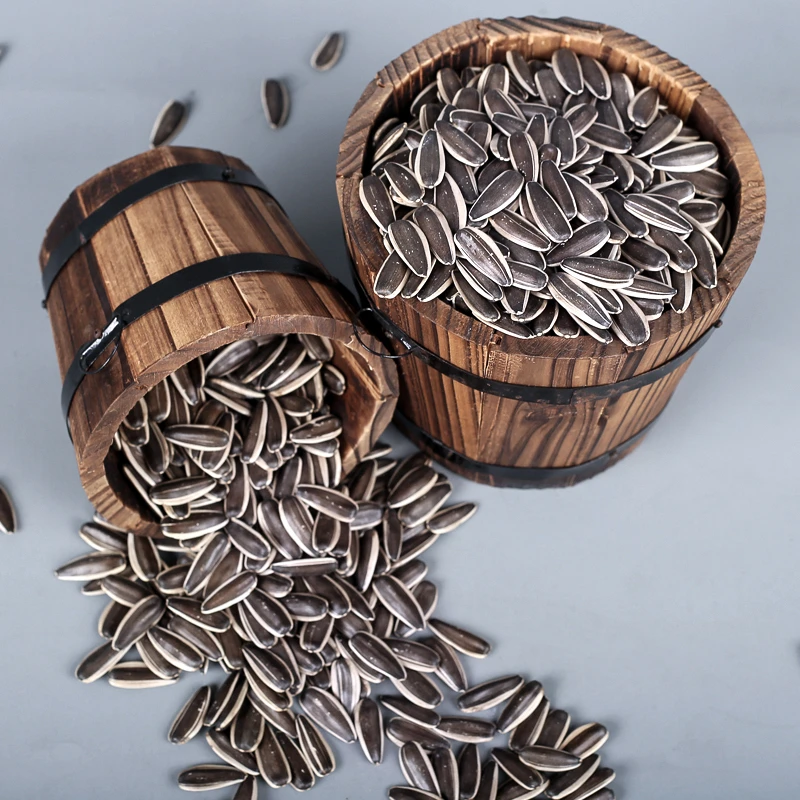
Salted melon seeds (Cucurbita pepo L. var. moschata) represent a significant processed food product within the snack food industry, particularly prevalent in East Asian markets. Their technical position in the food chain resides post-harvest processing, involving cleaning, drying, salting, flavoring, and packaging. Core performance characteristics are defined by moisture content, salt concentration, oil content, kernel integrity, and sensory attributes (taste, aroma, texture). A critical industry pain point centers around maintaining consistent seed quality – specifically, minimizing rancidity due to lipid oxidation, achieving uniform salt adhesion, and preventing cracking during processing and storage. The inherent variability in seed size, maturity, and oil composition presents a substantial challenge for process optimization and quality control. Furthermore, consumer demand for reduced sodium content necessitates technological advancements in salt delivery methods.
Material Science & Manufacturing
The primary raw material, melon seeds, are composed of approximately 40-50% oil (primarily linoleic acid – C18:2), 25-35% protein, 10-20% carbohydrates, and 5-10% moisture. The seed hull is predominantly cellulose and lignin, providing structural integrity. Salt (typically NaCl) is the primary seasoning agent, influencing osmotic pressure and flavor profile. Manufacturing begins with seed cleaning to remove debris and damaged seeds. Drying is crucial, reducing moisture content from approximately 60-70% to 5-8% to inhibit microbial growth and enzymatic activity. This is commonly achieved through hot air drying, carefully controlled to prevent overheating and protein denaturation. Salting is performed via dry salting (tumbling seeds with salt) or brine salting (immersing seeds in a salt solution). Dry salting ensures better adhesion but can lead to uneven coverage. Brine salting provides more uniform distribution but requires subsequent drying to remove excess moisture. Flavoring agents (e.g., monosodium glutamate, spices) are added during or after salting. Finally, seeds are packaged in moisture-proof, airtight containers (typically laminated films composed of polyethylene terephthalate (PET), aluminum foil, and polyethylene (PE)) to prevent moisture reabsorption and oxidation. Key parameter control includes drying temperature (50-70°C), salting time (15-30 minutes), brine concentration (15-25%), and packaging film permeability (OTR/WVTR).

Performance & Engineering
Performance is dictated by several factors. Mechanical strength, specifically the resistance to cracking under compression, is critical for minimizing breakage during handling and consumption. This is directly related to seed hull thickness and moisture content. Excessively dry seeds are more brittle. Environmental resistance pertains to shelf life, heavily influenced by lipid oxidation. Linoleic acid is highly susceptible to oxidation, leading to rancidity and off-flavors. Antioxidants (e.g., BHT, TBHQ) are often added to mitigate this. Compliance requirements necessitate adherence to food safety standards (HACCP, GMP) and labeling regulations regarding sodium content, allergen information, and ingredient declarations. Force analysis during processing (e.g., impact during tumbling, compression during packaging) informs equipment design to minimize seed damage. The effectiveness of salt adhesion is engineered through surface roughness of the seed and the use of binding agents (e.g., maltodextrin) in brine solutions. Hydroscopic equilibrium (HER) is a critical consideration in packaging material selection to maintain desired moisture levels.
Technical Specifications
| Parameter | Unit | Typical Range | Testing Method |
|---|---|---|---|
| Moisture Content | % | 5 – 8 | Oven Drying (AOAC 925.10) |
| Salt Content (NaCl) | % | 1.5 – 2.5 | Argentometric Titration (AOAC 930.45) |
| Oil Content | % | 40 – 50 | Soxhlet Extraction (AOAC 920.39) |
| Peroxide Value (PV) | meq O2/kg | < 5 | Titration with Potassium Iodide (AOCS Cd 8-53) |
| Acid Value (AV) | mg KOH/g | < 2 | Titration with Potassium Hydroxide (AOCS Cd 3-53) |
| Water Vapor Transmission Rate (WVTR) – Packaging Film | g/m²/24h | < 3 | ASTM E96 |
Failure Mode & Maintenance
Common failure modes include rancidity (lipid oxidation causing off-flavors), cracking (due to mechanical stress or low moisture content), salt dusting (poor salt adhesion), and microbial contamination (resulting from insufficient drying or compromised packaging). Rancidity is a primary degradation pathway; preventative maintenance includes minimizing exposure to oxygen, light, and heat, utilizing antioxidants, and employing nitrogen flushing during packaging. Cracking can be mitigated by controlling drying parameters and handling procedures. Salt dusting can be addressed by optimizing brine composition (adding binding agents) and drying processes. To prevent microbial contamination, rigorous hygiene standards must be maintained throughout the production process, and packaging must provide an effective barrier against moisture and external contaminants. Regular quality control checks, including peroxide value analysis, moisture content measurement, and visual inspection for defects, are essential. Storage recommendations include maintaining cool, dry conditions and protecting from direct sunlight. Shelf life is typically 6-12 months, depending on packaging integrity and storage conditions. Failure analysis should include microscopic examination of cracked seeds to determine the failure origin (brittle fracture vs. fatigue cracking).
Industry FAQ
Q: What is the optimal moisture content for maximizing shelf life and minimizing cracking?
A: The optimal moisture content is generally between 5-7%. Below 5%, the seeds become excessively brittle and prone to cracking. Above 7%, microbial growth and enzymatic activity accelerate, leading to rancidity and reduced shelf life. Careful control of the drying process is paramount.
Q: How can we reduce sodium content without sacrificing flavor?
A: Several strategies can be employed. Potassium chloride (KCl) can partially substitute NaCl, providing a similar salty taste. Flavor enhancers like monosodium glutamate (MSG) and nucleotides can amplify perceived saltiness. Techniques such as microencapsulation of salt can deliver a more intense flavor with a lower overall sodium concentration. Optimizing the particle size and distribution of salt also impacts taste perception.
Q: What packaging materials offer the best barrier properties against oxygen and moisture?
A: Laminate structures comprising PET, aluminum foil, and PE provide excellent barrier properties. Aluminum foil is particularly effective in blocking oxygen transmission. The thickness and composition of each layer significantly influence performance. Consideration should also be given to the seal integrity of the packaging.
Q: What analytical methods are crucial for quality control?
A: Essential analytical methods include moisture content analysis (oven drying), salt content determination (argentometric titration), oil content measurement (Soxhlet extraction), peroxide value determination (titration with potassium iodide), acid value determination (titration with potassium hydroxide), and sensory evaluation for flavor and texture.
Q: What are the key factors affecting salt adhesion to the seed surface?
A: Surface roughness of the seed plays a vital role; a slightly rough surface provides more anchoring points for salt crystals. Brine composition (concentration, viscosity, presence of binding agents like maltodextrin) significantly influences adhesion. Drying rate also affects adhesion; slower drying promotes better bonding. Temperature and humidity during processing also contribute.
Conclusion
Salted melon seeds, while seemingly simple, represent a complex food product requiring precise control over material science, manufacturing processes, and packaging. Maintaining optimal moisture content, minimizing lipid oxidation, and ensuring consistent salt adhesion are critical for delivering a high-quality product with an extended shelf life. Understanding the interplay between these factors is essential for optimizing production efficiency and meeting consumer expectations.
Future advancements will likely focus on developing sustainable packaging solutions, reducing sodium content through innovative flavoring technologies, and implementing real-time monitoring systems to ensure consistent product quality throughout the entire supply chain. Furthermore, exploring novel drying techniques to preserve seed integrity and nutritional value represents a promising area for research and development.
