Introduction
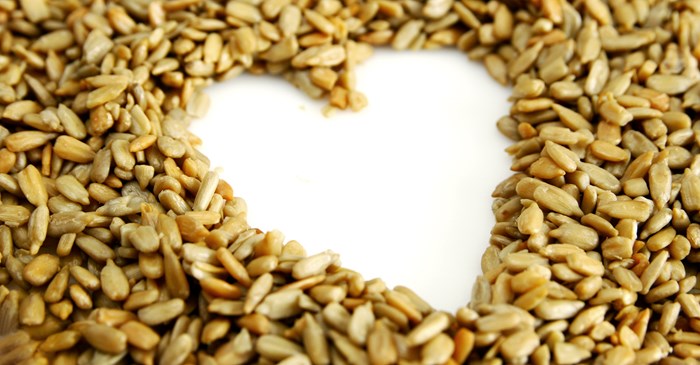
Salt-free sunflower seeds ( Helianthus annuus) represent a significant segment within the broader snack food and ingredient market, positioned as a healthier alternative to traditionally salted varieties. Technically, they are the achenes – the dry, single-seeded fruit – of the sunflower plant, processed for human consumption. Their position in the supply chain involves agricultural production, post-harvest processing (drying, dehulling, grading), and ultimately, packaging for retail or industrial use. Core performance characteristics revolve around seed integrity, oil content, protein levels, and minimal levels of undesirable compounds such as aflatoxins. The increasing consumer demand for reduced sodium intake drives the growth of this market segment, presenting both opportunities and challenges in maintaining palatability and preventing oxidation without the preservative effects of salt. This guide provides a detailed technical analysis of salt-free sunflower seeds, encompassing material science, manufacturing processes, performance criteria, failure modes, and relevant industry standards.
Material Science & Manufacturing
Sunflower seeds are composed primarily of oil (40-50% by weight), protein (18-25%), carbohydrates (15-20%), and fiber (5-10%). The oil is rich in linoleic acid, an essential omega-6 fatty acid. The seed coat, or hull, is comprised of cellulose and lignin, providing a protective barrier. Manufacturing begins with harvesting and drying to a moisture content of approximately 8-10% to prevent fungal growth and facilitate shelling. Dehulling is typically achieved mechanically using impact or friction methods, generating byproducts like hulls which can be repurposed for animal feed or energy production. Seed grading is based on size, shape, and visual quality. Crucially, the absence of salt necessitates meticulous control of processing parameters to minimize lipid oxidation. Inert gas flushing (nitrogen or argon) during packaging is common. Seed varieties are categorized into oilseed (high oil content) and confectionary (larger seed size, thicker hulls) types, with confectionary seeds preferred for direct consumption. Maintaining proper temperature control during drying is critical to prevent protein denaturation and lipid degradation. The protein structure impacts texture and contributes to the development of off-flavors during storage if denatured. Moisture content uniformity is paramount for shelf stability.
Performance & Engineering
Performance evaluation of salt-free sunflower seeds centers on several key areas: shelf life, oxidative stability, textural integrity, and sensory acceptability. The absence of salt amplifies the rate of lipid oxidation, leading to rancidity and off-flavor development. Engineering controls must address this. Packaging material selection is vital, with multilayer films incorporating oxygen barriers (e.g., EVOH, metallized PET) being essential. Force analysis during dehulling is crucial; excessive force results in seed damage and increased oil release. Environmental resistance, particularly to humidity, significantly impacts shelf life. High humidity accelerates lipid oxidation and promotes microbial growth. Compliance requirements related to food safety (e.g., FDA regulations, EU directives) mandate strict control of aflatoxin levels and the absence of harmful contaminants. Functional implementation regarding processing often involves coating application – antioxidants (tocopherols, ascorbyl palmitate) are often applied to the seed surface to mitigate oxidation. The coating process itself needs careful control to ensure uniform coverage without affecting seed texture or palatability. Storage temperature and humidity are also key engineering considerations.
Technical Specifications
| Parameter | Unit | Specification (Typical) | Test Method |
|---|---|---|---|
| Moisture Content | % | 8.0 - 10.0 | AOAC 925.10 |
| Oil Content (Dry Basis) | % | 45 - 55 | Soxhlet Extraction (AOAC 920.39) |
| Protein Content (Dry Basis) | % | 18 - 25 | Kjeldahl Method (AOAC 920.87) |
| Aflatoxin Level (Total) | ppb | < 20 | ELISA Method (AOAC 999.07) |
| Peroxide Value (PV) | meq O2/kg | < 5.0 | AOCS Cd 8-53 |
| Acid Value (AV) | mg KOH/g | < 1.0 | AOCS Cd 3-63 |
Failure Mode & Maintenance
Failure modes in salt-free sunflower seeds primarily relate to degradation of quality during storage. Lipid oxidation is the most significant, leading to rancidity, off-flavors (cardboard-like, metallic), and reduced nutritional value. This is accelerated by exposure to oxygen, light, and elevated temperatures. Physical damage during dehulling or handling can also initiate oxidation by exposing more surface area to oxygen. Hygroscopic nature of the seed can lead to moisture absorption, promoting microbial growth and further accelerating degradation. Aflatoxin contamination, while preventable through proper agricultural practices and storage, represents a critical failure mode with serious health implications. Maintenance strategies involve strict adherence to Good Manufacturing Practices (GMPs), including regular cleaning and sanitation of processing equipment. Optimized packaging with high oxygen barrier properties and the use of antioxidants are crucial preventative measures. Controlled atmosphere storage (nitrogen flushing) extends shelf life. Regular quality control testing (peroxide value, acid value, aflatoxin levels) is essential to detect degradation early. Proper inventory management (FIFO - First In, First Out) ensures that older stock is utilized before newer stock.
Industry FAQ
Q: What is the impact of sunflower seed variety on oxidative stability in a salt-free product?
A: Different sunflower seed varieties exhibit varying levels of inherent oxidative stability due to differences in fatty acid composition and natural antioxidant content (e.g., tocopherols). High-oleic varieties, with a higher proportion of monounsaturated fats, are demonstrably more resistant to oxidation compared to linoleic-rich varieties. Selecting a high-oleic variety as the starting material significantly enhances shelf life and reduces the need for supplemental antioxidants.
Q: How does the dehulling process affect the quality and shelf life of salt-free sunflower seeds?
A: The dehulling process, if not optimized, can cause micro-fractures in the seed, increasing the surface area exposed to oxygen and accelerating lipid oxidation. Excessive impact forces during dehulling can also rupture cellular structures containing antioxidants. Gentle dehulling techniques and minimizing mechanical damage are essential. Maintaining the hull fragments to a minimal level in the finished product is crucial as they also have a tendency to absorb moisture.
Q: What are the key considerations when choosing packaging materials for salt-free sunflower seeds?
A: Packaging materials must provide a high barrier to oxygen, light, and moisture. Multilayer films incorporating EVOH (ethylene vinyl alcohol) or metallized PET (polyethylene terephthalate) are commonly used. The film thickness and composition significantly impact barrier performance. Proper sealing is critical to maintain the integrity of the barrier. Modified atmosphere packaging (MAP) with nitrogen flushing further enhances shelf life.
Q: Are there regulatory limits on peroxide value or acid value for commercially sold salt-free sunflower seeds?
A: Regulatory limits vary by region. While specific, legally mandated limits may not exist universally, industry standards and buyer specifications typically define acceptable levels. A peroxide value (PV) below 5.0 meq O2/kg and an acid value (AV) below 1.0 mg KOH/g are generally considered acceptable for maintaining product quality and palatability. Exceeding these values typically indicates significant lipid oxidation and renders the product unacceptable.
Q: How important is temperature control throughout the entire supply chain, from harvest to consumer?
A: Temperature control is paramount. High temperatures accelerate lipid oxidation and aflatoxin production. Maintaining a consistent, cool temperature (ideally below 25°C / 77°F) throughout the entire supply chain – from harvesting and drying to storage, transportation, and retail display – is crucial for preserving product quality and safety. Temperature fluctuations should be minimized to avoid condensation and moisture absorption.
Conclusion
Salt-free sunflower seeds present a unique set of technical challenges stemming from the inherent susceptibility of unsaturated fats to oxidation in the absence of sodium chloride’s preservative effect. Successful production and maintenance of product quality necessitates a comprehensive approach encompassing careful seed selection (prioritizing high-oleic varieties), optimized manufacturing processes minimizing physical damage, high-barrier packaging utilizing modified atmosphere techniques, stringent quality control testing for oxidation markers (PV, AV), and meticulous temperature management throughout the entire supply chain.
Future development will likely focus on enhanced antioxidant coatings utilizing microencapsulation technology to provide sustained release, as well as the exploration of novel packaging materials with even greater barrier properties. Furthermore, advances in near-infrared spectroscopy (NIRS) could enable rapid, non-destructive assessment of seed quality and oxidation levels, streamlining quality control processes and improving overall efficiency. Continuous monitoring of emerging regulations regarding food safety and labeling requirements remains vital for manufacturers operating in this dynamic market segment.
