Introduction
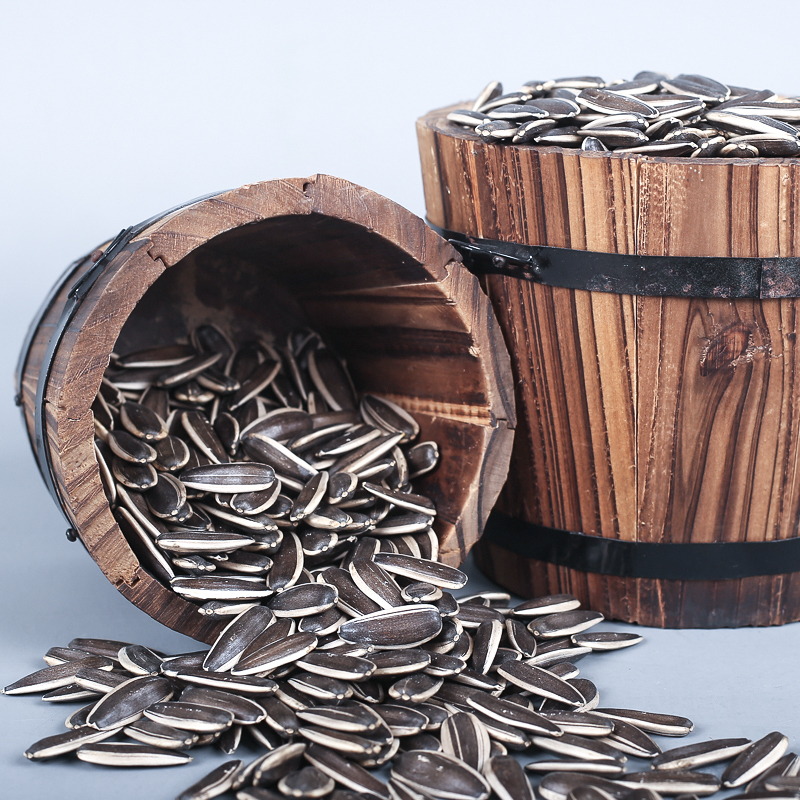
Roasted sunflower seeds, specifically the shelled variety, represent a significant processed food commodity within the global snack food industry. Technically categorized as oilseeds, Helianthus annuus seeds undergo a complex transformation from raw agricultural product to a palatable, shelf-stable snack. This process involves cleaning, dehulling, drying, roasting, seasoning, and packaging. Their appeal stems from a combination of nutritional value – high in vitamin E, magnesium, and healthy fats – and convenient consumption. The industrial production of roasted sunflower seeds demands precise control over process parameters to ensure product quality, safety, and consistent flavor profiles. Core performance characteristics include moisture content, oil content, color uniformity, and resistance to rancidity, all dictated by the roasting process and subsequent packaging. This guide will detail the material science, manufacturing processes, performance engineering, and potential failure modes associated with producing high-quality roasted sunflower seeds shelled, outlining essential considerations for manufacturers and quality control personnel.
Material Science & Manufacturing
Sunflower seeds are composed primarily of oil (40-50% linoleic acid, oleic acid, and palmitic acid), protein (20-25%), carbohydrates (15-20%), and fiber (5-10%). The seed hull, or pericarp, consists of cellulose, hemicellulose, and lignin. Dehulling is critical, as the hull contains anti-nutritional factors and imparts an undesirable texture. Raw seeds possess a moisture content typically ranging from 8-12%. Manufacturing begins with cleaning to remove foreign materials like stems, leaves, and stones. Dehulling is often achieved mechanically using impact or friction-based systems. Following dehulling, seeds are dried to approximately 7-8% moisture content using hot air dryers. This reduces microbial growth and prepares them for roasting. The roasting process, conducted in continuous or batch roasters, is the most crucial step. Temperature control is paramount, generally ranging from 140-180°C, with residence times varying from 20-40 minutes. Maillard reactions and caramelization occur during roasting, developing the characteristic flavor and color. Key parameters include air temperature, drum temperature, and seed bed depth. Seasoning, typically involving salt, flavorings, and occasionally coatings, is applied post-roasting. Finally, packaging in moisture-barrier films (discussed later) protects the seeds from oxidation and maintains their crispness. Control of seed temperature during roasting, monitored via thermocouples embedded within the seed bed, is essential to prevent scorching and ensure uniform roasting. Material compatibility of roasting equipment – typically stainless steel (304 or 316) – is vital to prevent metallic contamination.
Performance & Engineering
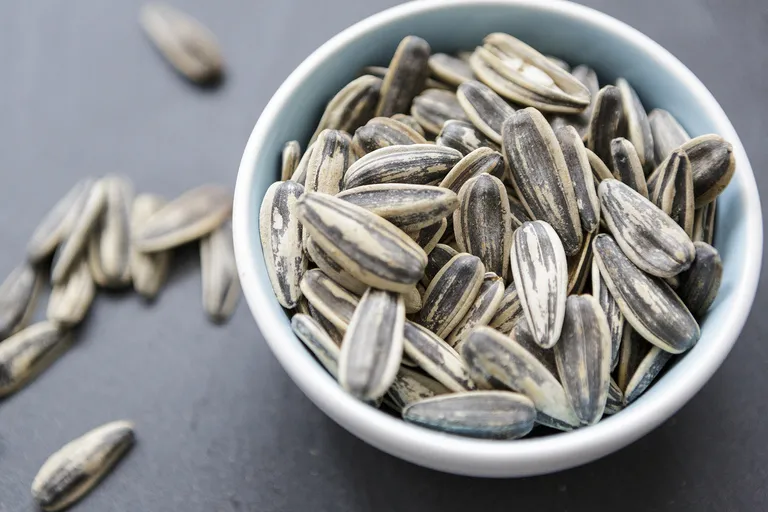
The performance of roasted sunflower seeds is significantly affected by heat transfer dynamics during roasting. The rate of heat transfer dictates the development of flavor compounds and the degree of seed crispness. Finite Element Analysis (FEA) can be employed to model heat distribution within the seed bed and optimize roasting parameters. Environmental resistance relates primarily to oxidative stability. The unsaturated fatty acids within the seeds are susceptible to oxidation, leading to rancidity and off-flavors. Packaging plays a crucial role in mitigating oxidation. Compliance requirements include adherence to food safety regulations such as HACCP (Hazard Analysis and Critical Control Points) and relevant national or regional food standards (e.g., FDA in the US, EFSA in Europe). Mechanical engineering considerations include the design of roasters to ensure uniform seed movement and prevent localized overheating. Force analysis is important in dehulling equipment to minimize seed breakage. The moisture vapor transmission rate (MVTR) of packaging materials is a critical performance parameter, directly impacting shelf life. Packaging materials with low MVTR effectively prevent moisture reabsorption, maintaining crispness. Furthermore, the tensile strength of the packaging film must withstand handling and transportation stresses. Maintaining a consistent bulk density of the packaged product is also an engineering consideration, impacting filling accuracy and packaging efficiency.
Technical Specifications
| Parameter | Unit | Specification | Test Method |
|---|---|---|---|
| Moisture Content | % | ≤ 7.0 | AOAC 925.10 |
| Oil Content | % | 48-55 | Soxhlet Extraction (AOCS Cd 14-91) |
| Peroxide Value (PV) | meq O2/kg | ≤ 5.0 | AOCS Cd 8-53 |
| Acidity (as Oleic Acid) | % | ≤ 0.5 | AOCS Cd 3-25 |
| Hull Content (Dehulled Seeds) | % | ≤ 2.0 | Visual Inspection/Weight Difference |
| Broken/Damaged Kernels | % | ≤ 5.0 | Visual Inspection |
Failure Mode & Maintenance
Several failure modes can compromise the quality of roasted sunflower seeds. Rancidity, driven by lipid oxidation, is a primary concern, evidenced by off-flavors and odors. This is exacerbated by exposure to oxygen, light, and heat. Hulling damage – seed cracking or kernel breakage during dehulling – reduces product appearance and yield. Uneven roasting leads to inconsistent flavor and texture, often resulting from inadequate temperature control or improper seed bed dynamics. Moisture reabsorption during storage compromises crispness and promotes microbial growth. Packaging failure – breaches in the barrier film – accelerates oxidation and moisture uptake. Microbial contamination can occur if hygiene standards are not maintained during processing. Maintenance of roasting equipment includes regular cleaning to prevent buildup of seed residue, inspection of heating elements for functionality, and calibration of temperature sensors. Packaging machinery requires routine inspection of sealing mechanisms to ensure hermetic seals. Storage facilities should be cool, dry, and protected from direct sunlight. Regular quality control testing, including peroxide value and moisture content analysis, is essential for detecting early signs of degradation and implementing corrective actions. Proactive preventative maintenance programs are crucial for minimizing downtime and ensuring consistent product quality.
Industry FAQ
Q: What is the optimal roasting temperature for maximizing flavor development while minimizing acrylamide formation?
A: The optimal roasting temperature is a balance. While higher temperatures (up to 180°C) accelerate Maillard reactions and contribute to desirable flavor compounds, they also increase the risk of acrylamide formation. A temperature range of 160-170°C, coupled with optimized residence time, generally provides the best compromise. Monitoring seed temperature and controlling moisture content during roasting are also critical for minimizing acrylamide levels.
Q: What types of packaging films provide the best barrier properties for roasted sunflower seeds?
A: Multi-layer films incorporating aluminum foil or metallized polyester (PET) offer superior oxygen and moisture barrier properties. High-density polyethylene (HDPE) or polypropylene (PP) are often used as inner layers for sealing. The thickness and composition of the film are critical parameters. Packaging films should have a low oxygen transmission rate (OTR) and a low moisture vapor transmission rate (MVTR) to maintain product quality and shelf life.
Q: How does the initial moisture content of raw seeds affect the roasting process?
A: Initial moisture content significantly impacts the roasting process. Higher moisture content requires longer roasting times and can lead to uneven roasting. Lower moisture content can cause scorching and reduce crispness. An initial moisture content of 8-12% is generally optimal, allowing for efficient heat transfer and uniform roasting.
Q: What are the key indicators of rancidity in roasted sunflower seeds?
A: Key indicators of rancidity include an increase in peroxide value (PV), an increase in acidity (as oleic acid), and the development of off-flavors and odors – typically described as stale, cardboard-like, or paint-like. Sensory evaluation by trained panelists is also a valuable indicator.
Q: How can we minimize seed breakage during the dehulling process?
A: Minimizing seed breakage requires careful optimization of dehulling parameters. Reducing the impact force or friction during dehulling is crucial. Controlling seed moisture content (slightly higher moisture content can improve hull separation) and adjusting the dehulling machine's settings (e.g., rotor speed, clearance) are key strategies. Regular inspection and maintenance of the dehulling equipment are also essential.
Conclusion
The production of high-quality roasted sunflower seeds shelled is a complex process demanding meticulous control over material science principles and manufacturing parameters. From the initial selection of seed varieties with optimal oil content to the precise management of roasting temperatures and packaging strategies, each stage significantly influences the final product’s quality, safety, and shelf life. Understanding the potential failure modes, such as rancidity and hull damage, and implementing robust preventative maintenance programs are vital for minimizing losses and maintaining consistent product standards.
Future advancements in roasting technology may involve the utilization of radio frequency (RF) or microwave heating for more uniform and efficient heat transfer. Further research into novel packaging materials with enhanced barrier properties and active scavenging systems to absorb oxygen will also contribute to extending shelf life and preserving product freshness. A continued focus on quality control measures, including advanced analytical techniques for monitoring lipid oxidation and sensory evaluation, will be critical for meeting evolving consumer demands and maintaining a competitive edge in the snack food industry.
