Introduction
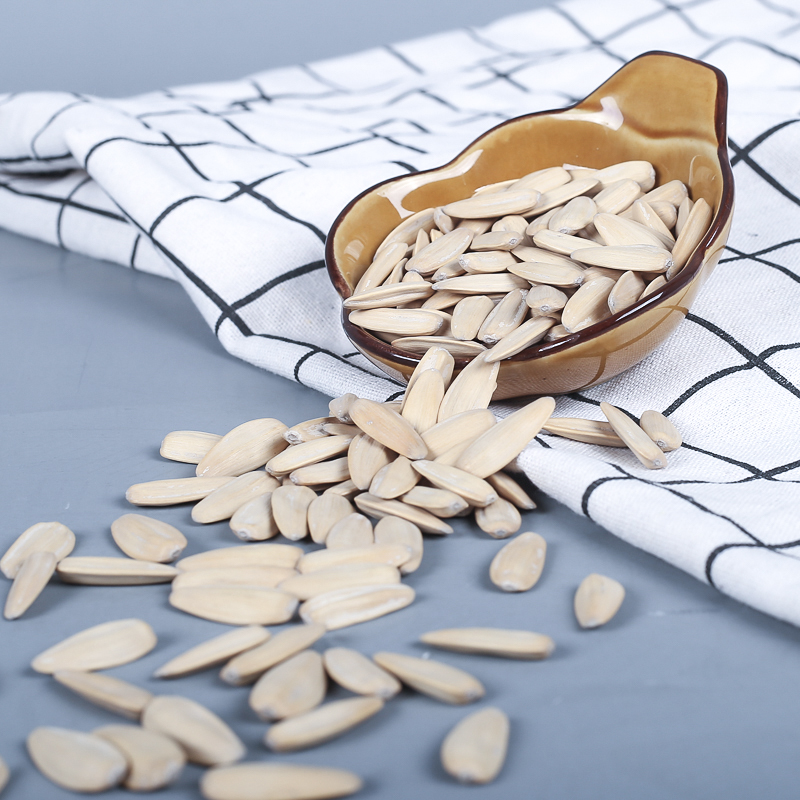
Sunflower seed roasting is a critical post-harvest processing technique transforming raw agricultural product into a commercially valuable snack food. This guide details the science and engineering behind achieving optimal roast quality, addressing key concerns related to seed composition, heat transfer, flavor development, and product safety. The industry faces challenges in maintaining consistent product quality while minimizing acrylamide formation and lipid oxidation. Roasting is not merely applying heat; it's a complex series of Maillard reactions, caramelization, and moisture migration directly influencing texture, flavor, and shelf life. The process is positioned between agricultural harvesting and final packaging, acting as a key determinant of consumer acceptance and market value. Core performance parameters include color, moisture content, oil content, flavor profile, and the absence of burnt or rancid notes.
Material Science & Manufacturing
Sunflower seeds ( Helianthus annuus ) are composed of approximately 20-50% oil, 20-30% protein, 15-25% carbohydrate (primarily starch), and 5-10% moisture. The oil is predominantly linoleic acid (a polyunsaturated fatty acid), rendering it susceptible to oxidation. The shell, or hull, is primarily cellulose and lignin providing a protective barrier. Manufacturing begins with seed cleaning and grading to remove foreign materials and ensure size uniformity. Roasting typically employs hot air convection ovens, drum roasters, or fluidized bed roasters. Hot air ovens use controlled airflow and temperature gradients. Drum roasters rely on conductive heat transfer from a rotating drum. Fluidized bed roasters achieve rapid and even heating through suspended air currents. Key parameters requiring control include roasting temperature (typically 120-180°C), roasting time (15-60 minutes), air velocity (in convective systems), and drum rotation speed (in drum roasters). Moisture content is critical, as excessive moisture leads to steaming rather than roasting, and insufficient moisture results in burning. Pre-treatment with a light oil coating can improve heat transfer and flavor development. Seed variety (oil content, hull thickness) significantly impacts roasting parameters. The Maillard reaction, a non-enzymatic browning reaction between reducing sugars and amino acids, is fundamental to flavor development. The rate of this reaction is temperature-dependent. Careful control of process parameters is essential to optimize these chemical reactions without promoting unwanted byproducts.
Performance & Engineering
Heat transfer within the seed is governed by conduction, convection, and radiation. Thermal conductivity varies with moisture content; drier seeds exhibit lower thermal conductivity. Effective heat transfer is crucial to ensure uniform roasting throughout the seed. The force analysis centers on the shear forces exerted during seed handling and potential hull fracture. Excessive shear can lead to broken seeds and increased dust generation. Environmental resistance is primarily related to moisture absorption after roasting. Packaging materials with low water vapor transmission rates (WVTR) are essential to maintain crispness and prevent rancidity. Compliance requirements include food safety regulations (HACCP, GMP) and limits on acrylamide levels (established by national food safety agencies). Functional implementation involves optimizing roasting profiles to achieve desired color, texture, and flavor characteristics. Color is often quantified using a colorimeter, measuring Lab values. Texture is assessed through sensory evaluation and instrumental measurements (e.g., hardness, crunchiness). Flavor profiles are determined through gas chromatography-mass spectrometry (GC-MS) to identify volatile compounds. Roasting temperature significantly affects acrylamide formation; lower temperatures generally reduce acrylamide levels, but may compromise flavor development. Lipid oxidation, leading to rancidity, is minimized by controlling oxygen exposure and utilizing antioxidants in packaging.
Technical Specifications
| Parameter | Unit | Typical Range | Acceptable Deviation |
|---|---|---|---|
| Roasting Temperature | °C | 140-170 | ±5 |
| Roasting Time | minutes | 20-40 | ±2 |
| Initial Moisture Content | % w/w | 8-12 | ±1 |
| Final Moisture Content | % w/w | 2-4 | ±0.5 |
| Oil Content | % w/w | 40-50 | ±2 |
| Acrylamide Content | µg/kg | <100 | <50 (desirable) |
Failure Mode & Maintenance
Common failure modes include: 1) Uneven Roasting: Caused by inadequate heat distribution, leading to some seeds being under-roasted and others over-roasted. Maintenance involves calibrating oven temperature sensors, ensuring uniform air flow, and monitoring drum rotation speed. 2) Burning: Results from excessive temperatures or prolonged roasting times. Prevention requires precise temperature control and monitoring of seed color. 3) Rancidity: Develops due to lipid oxidation, accelerated by exposure to oxygen, light, and heat. Mitigation strategies include packaging in airtight, opaque containers with nitrogen flushing, and incorporating antioxidants. 4) Hull Fracture: Excessive shear forces during handling can cause hull damage. Maintenance involves adjusting handling equipment to minimize impact. 5) Acrylamide Formation: Elevated roasting temperatures promote acrylamide development. Optimization of roasting profiles and seed preparation (e.g., reducing reducing sugar content) can minimize this. Regular inspection of roasting equipment for wear and tear is crucial. Cleaning and sanitation protocols are essential to prevent microbial contamination. Preventive maintenance schedules should include calibration of temperature sensors, inspection of heating elements, and lubrication of moving parts.
Industry FAQ
Q: What is the primary driver for variability in roasted sunflower seed quality?
A: The primary driver is the inherent variability in the raw material – sunflower seed composition (oil content, moisture content, hull thickness) differs significantly between varieties and even within the same batch due to growing conditions. This necessitates adjusting roasting parameters based on incoming seed quality.
Q: How can we minimize acrylamide formation without sacrificing flavor?
A: Reducing roasting temperature and time is the most effective approach. Supplementing with ascorbic acid (Vitamin C) has shown some potential as an acrylamide inhibitor. Optimizing seed pretreatment (e.g., blanching) can also help reduce reducing sugar content.
Q: What is the optimal packaging material to maximize shelf life?
A: Multi-layer films with a high barrier to oxygen and moisture are ideal. Materials like metallized PET/PE laminates provide excellent protection. Nitrogen flushing within the package further reduces oxygen levels.
Q: What methods can be employed for real-time monitoring of the roasting process?
A: Continuous temperature monitoring within the seed bed is essential. Near-infrared (NIR) spectroscopy can be used to monitor moisture content and oil content in real-time. Color monitoring systems can provide feedback on roast level.
Q: What role does seed pre-treatment play in the roasting process?
A: Pre-treatment, such as a light oil coating or blanching, can improve heat transfer, promote even roasting, enhance flavor development, and reduce acrylamide formation. The choice of pre-treatment depends on the desired product characteristics.
Conclusion
The successful roasting of sunflower seeds hinges on a deep understanding of the interplay between material science, heat transfer principles, and chemical reactions. Precise control over roasting parameters – temperature, time, and moisture content – is paramount to achieving consistent product quality, minimizing undesirable byproducts like acrylamide, and maximizing shelf life. The industry continues to innovate in roasting technologies and packaging materials to meet evolving consumer demands for healthy and flavorful snack foods.
Future research should focus on developing more sophisticated roasting control systems that dynamically adjust parameters based on real-time seed analysis. Exploration of novel pre-treatment methods and the use of natural antioxidants in packaging offer further opportunities to enhance product quality and safety. Continued refinement of process optimization based on seed varietal characteristics is crucial for consistent and scalable production.
