Introduction
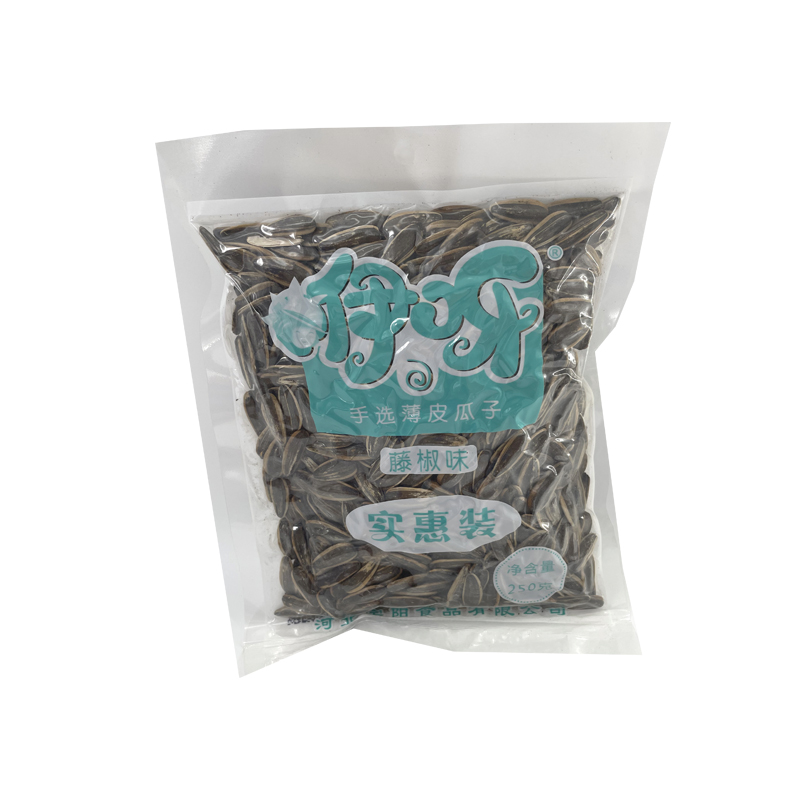
Roasted shelled sunflower seeds ( Helianthus annuus ) represent a significant processed food commodity within the global snack food industry. Technically positioned as a post-harvest processed agricultural product, sunflower seed roasting involves a complex interplay of thermal transfer, chemical reactions (Maillard reaction, lipid oxidation), and moisture control. Core performance characteristics defining market grade include kernel size, oil content, moisture content, absence of hull fragments, and flavor profile. The industry faces critical pain points regarding consistent roasting quality, acrylamide formation control, rancidity prevention, and ensuring compliance with stringent food safety regulations. Sunflower seeds are valued for their nutritional content, primarily linoleic acid, vitamin E, and magnesium, driving demand from health-conscious consumers. Maintaining these nutrients during processing and storage is a key technical challenge.
Material Science & Manufacturing
The primary raw material, sunflower seeds, exhibit inherent variability in composition. Kernel chemical composition typically ranges from 42-58% oil (primarily linoleic acid), 20-28% protein, 15-25% carbohydrate, and 5-10% moisture. Hull material is predominantly cellulose and lignin. Manufacturing commences with cleaning and dehulling, followed by drying to a specified moisture content (typically 8-10%) for optimal roasting. Roasting itself is a convective heat transfer process, typically conducted in rotating drum roasters or fluidized bed roasters at temperatures ranging from 120-180°C. Precise temperature control is paramount to achieve desired color, flavor, and texture while minimizing acrylamide formation. Oil migration within the kernel during roasting affects texture and mouthfeel. Coating applications (salt, seasonings) utilize adhesion properties influenced by surface oil content. Process parameter control – roasting temperature, time, airflow rate, and drum speed – dictates the final product characteristics. Lipid oxidation is initiated by heat and oxygen exposure, necessitating nitrogen flushing or antioxidant addition during packaging. Seed quality variations (oil content, moisture) impact heat absorption and roasting uniformity. A key concern is preventing the development of off-flavors due to lipid peroxidation. Packaging materials play a crucial role in controlling oxygen and moisture ingress.
Performance & Engineering
Performance evaluation centers on sensory attributes (color, flavor, crunchiness) and nutritional retention. The shear force required to fracture a kernel correlates with desired crispness. Color is assessed using spectrophotometry (L, a, b values), with target values varying based on desired roast level. Moisture content directly impacts shelf life and susceptibility to microbial growth. Water Activity (Aw) is a critical parameter; values below 0.6 are generally considered safe. Engineering considerations involve optimizing roaster design for uniform heat distribution and minimizing kernel damage. Drum roaster designs require careful consideration of drum speed, baffle configuration, and airflow patterns to prevent localized overheating. Fluidized bed roasters offer more precise temperature control but may lead to increased kernel breakage. Packaging engineering focuses on barrier properties to oxygen and moisture, utilizing materials like metallized PET or multilayer laminates. Force analysis during handling and packaging assesses impact resistance and minimization of kernel fragmentation. Compliance requirements include adherence to food safety standards (HACCP, GMP) and labeling regulations regarding nutritional information and allergens.
Technical Specifications
| Moisture Content (%) | Oil Content (%) | Acrylamide Level (µg/kg) | Water Activity (Aw) | Kernel Size (mm) | Peroxide Value (meq O2/kg) |
|---|---|---|---|---|---|
| 6.0 - 8.0 | 48.0 - 54.0 | < 100 | < 0.6 | 8 - 12 | < 5.0 |
| 7.0 - 9.0 | 50.0 - 56.0 | < 80 | < 0.55 | 9 - 13 | < 4.0 |
| 5.5 - 7.5 | 46.0 - 52.0 | < 120 | < 0.65 | 7 - 11 | < 6.0 |
| 6.5 - 8.5 | 51.0 - 57.0 | < 90 | < 0.5 | 8.5 - 12.5 | < 3.5 |
| 7.5 - 9.5 | 49.0 - 55.0 | < 110 | < 0.62 | 9.5 - 13.5 | < 5.5 |
| 6.2 - 7.8 | 47.5 - 53.5 | < 85 | < 0.58 | 8.2 - 11.8 | < 4.5 |
Failure Mode & Maintenance
Failure modes in roasted sunflower seeds primarily relate to quality degradation. Rancidity, caused by lipid oxidation, is a common failure, resulting in off-flavors and reduced shelf life. This is accelerated by exposure to oxygen, light, and heat. Kernel cracking during processing or handling leads to fragmented product and aesthetic defects. Acrylamide formation, a chemical contaminant, is a potential failure related to roasting temperature and time; elevated levels pose a health risk. Moisture absorption can lead to microbial growth, rendering the product unsafe for consumption. Color fading or uneven coloration indicates inconsistencies in roasting. Maintenance strategies focus on preventative measures. Regular roaster cleaning prevents buildup of seed residue and ensures uniform heating. Nitrogen flushing of packaging reduces oxygen levels. Proper storage conditions (cool, dry, dark) minimize oxidation and moisture absorption. Quality control testing (oil content, moisture content, peroxide value, acrylamide level) throughout the process identifies and addresses potential issues before they become widespread failures. Monitoring and calibrating roasting equipment ensures consistent thermal profiles.
Industry FAQ
Q: What are the key factors influencing acrylamide formation during sunflower seed roasting?
A: Acrylamide formation is primarily influenced by roasting temperature, time, and the concentration of reducing sugars (glucose, fructose) and asparagine in the seed. Higher temperatures and longer roasting times increase acrylamide levels. Optimizing roasting parameters to minimize these factors, while maintaining desired flavor and texture, is crucial. Utilizing roasting inhibitors and implementing moisture control strategies can also reduce acrylamide formation.
Q: How is rancidity prevented in roasted sunflower seeds?
A: Rancidity is prevented through a combination of strategies. Minimizing exposure to oxygen during processing and packaging is paramount; nitrogen flushing and the use of oxygen-barrier packaging materials are essential. Antioxidants, such as tocopherols (vitamin E), can be added to inhibit lipid oxidation. Maintaining low moisture content and storing seeds in a cool, dark environment further slows down rancidity development. Regular monitoring of peroxide value is critical for assessing oxidative stability.
Q: What is the optimal moisture content for roasting sunflower seeds?
A: The optimal moisture content for roasting is typically between 8-10%. Lower moisture content can lead to excessive brittleness and kernel breakage, while higher moisture content results in longer roasting times and a potentially soggy texture. Precise moisture control is vital for achieving consistent roasting results.
Q: What packaging materials are best suited for maintaining the quality of roasted sunflower seeds?
A: Multilayer laminates incorporating a metallized PET layer provide excellent barrier properties against oxygen and moisture. Alternatively, high-barrier polypropylene (PP) films can be used. The selection depends on cost, shelf life requirements, and desired package appearance. The package should be hermetically sealed to maintain product freshness.
Q: How do you assess the roasting uniformity of a batch of sunflower seeds?
A: Roasting uniformity can be assessed through several methods. Visual inspection for color variation is a preliminary step. Moisture content analysis across a representative sample reveals inconsistencies in heat penetration. Shear force measurements indicate variations in kernel texture. Spectrophotometry provides objective color data. Sensory evaluation by a trained panel assesses flavor and texture differences throughout the batch.
Conclusion
Roasted shelled sunflower seeds production is a complex process requiring meticulous control of material science principles and engineering parameters. Maintaining consistent quality, preventing rancidity and acrylamide formation, and ensuring food safety are critical challenges for the industry. Optimization of roasting profiles, effective packaging solutions, and stringent quality control measures are essential for delivering a superior product to the consumer.
Future advancements will likely focus on innovative roasting technologies that minimize acrylamide formation, enhanced barrier packaging materials, and real-time monitoring systems for process control. Continued research into the impact of seed genetics on roasting characteristics will also play a significant role in improving product quality and yield. Sustainable sourcing and eco-friendly packaging options are becoming increasingly important considerations for manufacturers.
