Introduction
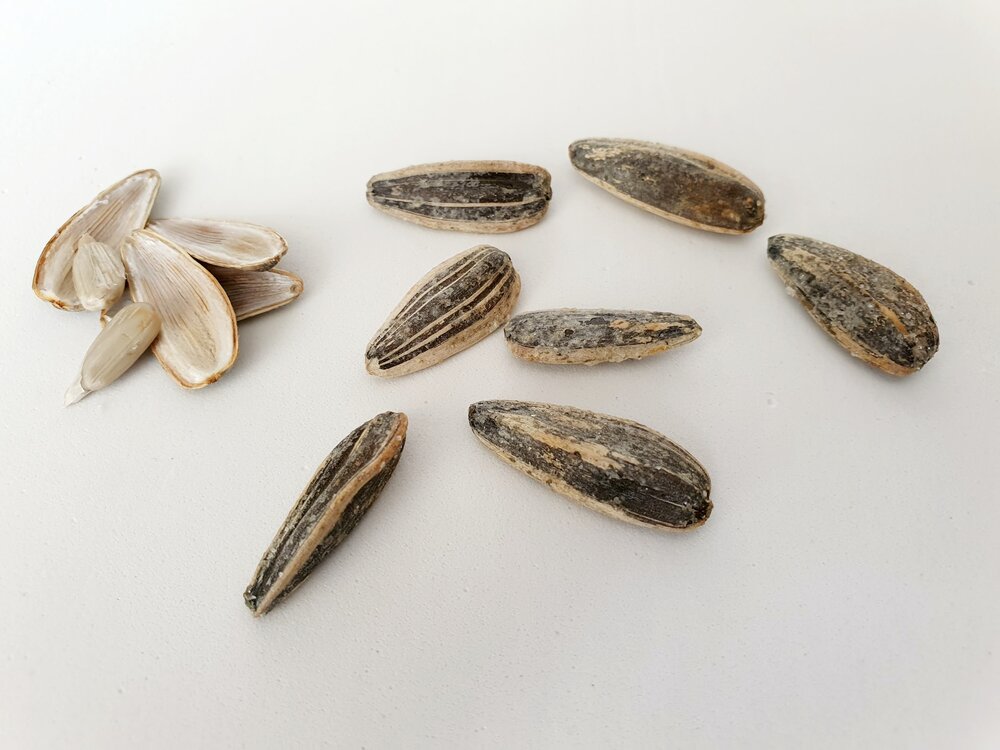
Red date flavored sunflower seeds represent a significant segment within the processed snack food industry, specifically the seed-based confectionary category. Positioned as a savory and lightly sweet snack, these seeds undergo a complex manufacturing process involving seed selection, roasting, flavoring, and packaging. The core performance characteristics defining quality are flavor profile consistency, seed integrity (minimizing broken or damaged seeds), moisture content for optimal texture and shelf life, and adherence to food safety regulations. The product caters to a broad consumer base seeking convenient, flavorful, and relatively healthy snack options, particularly in Asian markets. Understanding the nuances of the production process is crucial for maintaining product quality, optimizing yield, and ensuring regulatory compliance. This guide details the material science, manufacturing techniques, performance parameters, potential failure modes, and industry standards governing red date flavored sunflower seeds.
Material Science & Manufacturing
The primary raw material, sunflower seeds ( Helianthus annuus), are composed of approximately 35-45% oil, 20-30% protein, and 15-25% carbohydrate, with remaining components comprising fiber, minerals, and moisture. The lipid profile consists primarily of linoleic acid (an omega-6 fatty acid) and oleic acid (an omega-9 fatty acid). Seed quality, specifically oil content and protein composition, directly impacts the final product’s flavor and texture. Red dates (Ziziphus jujuba) contribute the characteristic sweet and slightly tangy flavor. Their composition includes sugars (glucose, fructose, sucrose), organic acids, and various vitamins. The flavoring agent is typically a proprietary blend of red date extract, sugar, salt, and potentially monosodium glutamate (MSG) for umami enhancement.
Manufacturing begins with seed selection and cleaning, removing foreign matter and damaged seeds. The seeds are then typically de-hulled, although some variations retain the hull for textural contrast. Roasting is a critical step, usually conducted at temperatures between 140-160°C for 15-25 minutes. Precise temperature control is essential to develop the desired flavor profile and achieve optimal moisture content (typically 2-4%). Under-roasting results in a bland flavor, while over-roasting leads to bitterness and potential acrylamide formation. Following roasting, the seeds are cooled and then coated with the red date flavoring solution. This coating process often utilizes a rotating drum or fluidized bed coater to ensure uniform coverage. The coated seeds are then further dried to reduce moisture content and prevent clumping. Finally, the product is packaged in airtight containers, often utilizing multilayer films incorporating polyethylene, polypropylene, and aluminum foil for barrier properties against oxygen and moisture. Key parameter control includes maintaining consistent roasting temperatures, flavoring solution viscosity, coating layer thickness, and packaging integrity.
Performance & Engineering
The structural integrity of the roasted seed is paramount to minimizing breakage during processing and handling. Force analysis demonstrates that the shell, even after dehulling, provides a significant degree of resistance to compressive forces. This resistance is affected by moisture content; lower moisture levels generally result in increased brittleness. Environmental resistance concerns primarily center around moisture absorption and oxygen permeability, leading to rancidity and flavor degradation. Packaging materials are engineered to provide a barrier against these elements. The coating’s adhesion strength is another critical performance characteristic. Poor adhesion leads to flavor loss and a visually unappealing product.
Compliance requirements include adherence to food safety standards such as HACCP (Hazard Analysis and Critical Control Points) and GMP (Good Manufacturing Practices). Regulations regarding permitted food additives (e.g., MSG, artificial colors) vary by region and must be strictly followed. Furthermore, heavy metal content (e.g., lead, cadmium) in the seeds must be within acceptable limits as defined by regulatory bodies. Shelf-life studies are essential to determine the product's stability under various storage conditions (temperature, humidity). Accelerated shelf-life testing, employing elevated temperatures, can provide predictive data regarding long-term stability. The flavor profile must remain consistent throughout the stated shelf life, and the seed’s moisture content must not exceed specified limits to prevent microbial growth.
Technical Specifications
| Parameter | Specification | Test Method | Acceptance Criteria |
|---|---|---|---|
| Moisture Content | 2.0 - 4.0% | Oven Drying Method (AACC Method 44-16) | Must be within specified range; deviation >0.5% requires rejection. |
| Oil Content | 35% - 45% | Soxhlet Extraction (AOCS Official Method Ak 3-93) | Must be within specified range. |
| Broken Seed Rate | <5% | Visual Inspection & Sieving | Percentage of broken seeds must not exceed 5%. |
| Red Date Flavor Intensity | 5-8 (on a 1-10 scale) | Sensory Evaluation (Panel Test) | Average score from sensory panel must be within range. |
| Water Activity (Aw) | <0.6 | Water Activity Meter | Must be below 0.6 to inhibit microbial growth. |
| Peroxide Value (PV) | <5 meq/kg | AOCS Official Method Cd 8-53 | Indicates the degree of oxidation; must be below specified limit. |
Failure Mode & Maintenance
Common failure modes include rancidity due to lipid oxidation, flavor degradation caused by moisture absorption or exposure to oxygen, and physical damage resulting in broken seeds. Rancidity is a significant concern, as it imparts an unpleasant off-flavor. This is accelerated by high temperatures and exposure to light. Flavor degradation can occur due to the leaching of volatile flavor compounds or hydrolysis of the red date extract. Physical damage during processing, transportation, or handling leads to seed breakage and a reduced aesthetic appeal. Delamination of the coating can also occur due to improper adhesion or exposure to humidity.
Preventative maintenance includes proper storage of raw materials and finished products in cool, dry, and dark environments. Packaging integrity is crucial; damaged packaging must be discarded. Regular cleaning and maintenance of processing equipment are essential to prevent contamination and ensure consistent performance. Quality control checks at each stage of the manufacturing process, including raw material inspection, roasting temperature monitoring, and coating thickness verification, are vital for identifying and correcting potential issues. Shelf-life monitoring and sensory evaluations should be conducted periodically to assess product stability. For long-term storage, nitrogen flushing of packaging can minimize oxidation. Regular auditing of HACCP plans and GMP procedures ensures adherence to food safety standards.
Industry FAQ
Q: What is the primary cause of rancidity in red date flavored sunflower seeds, and how can it be effectively mitigated?
A: The primary cause of rancidity is lipid oxidation, specifically the oxidation of unsaturated fatty acids present in the sunflower seeds. This process is accelerated by exposure to oxygen, light, heat, and metal ions. Effective mitigation strategies include using airtight packaging with oxygen barrier properties (e.g., multilayer films with aluminum foil), adding antioxidants (e.g., Vitamin E, BHA/BHT – within regulatory limits), nitrogen flushing of packaging to displace oxygen, and storing the product in cool, dark conditions.
Q: What are the critical control points in the manufacturing process that directly impact the flavor intensity and consistency of the red date coating?
A: The critical control points are the concentration of the red date extract in the flavoring solution, the viscosity of the solution, the coating application rate, and the drying temperature and time. Inconsistent extract concentration leads to varying flavor intensity. Incorrect viscosity affects coating uniformity. Improper drying can result in a sticky or brittle coating. Continuous monitoring and control of these parameters are essential.
Q: What is the acceptable level of acrylamide in red date flavored sunflower seeds, and how is it monitored?
A: Acrylamide is a potential byproduct formed during the roasting process. While regulatory limits vary by region, most standards aim for levels below 50 parts per billion (ppb). Monitoring is typically performed using gas chromatography-mass spectrometry (GC-MS) to quantify acrylamide concentrations in the finished product. Optimizing roasting parameters (temperature and time) to minimize acrylamide formation is crucial.
Q: How do variations in sunflower seed oil content affect the final product’s texture and shelf life?
A: Higher oil content generally results in a richer, more palatable texture, but can also increase the rate of rancidity. Lower oil content can lead to a drier, more brittle texture. Oil content influences the seed’s susceptibility to oxidation; seeds with higher unsaturated fatty acid content are more prone to rancidity. Consistent seed selection and quality control are vital.
Q: What packaging materials are most effective in extending the shelf life of red date flavored sunflower seeds, and why?
A: Multilayer films combining polyethylene (PE), polypropylene (PP), and aluminum foil provide the best barrier properties against oxygen, moisture, and light. The aluminum foil layer is particularly effective in blocking oxygen transmission. PE and PP provide mechanical strength and sealing properties. Vacuum packaging or modified atmosphere packaging (MAP) using nitrogen can further extend shelf life by removing oxygen.
Conclusion
Red date flavored sunflower seeds represent a complex product where material science and precise manufacturing processes intersect to deliver a desirable sensory experience. Maintaining consistent quality necessitates meticulous control over seed selection, roasting parameters, flavoring application, and packaging. Understanding the potential failure modes – primarily rancidity and flavor degradation – and implementing preventative maintenance strategies are critical for ensuring product stability and consumer satisfaction.
Future advancements in this field may focus on utilizing novel antioxidant blends, optimizing coating technologies for improved flavor adhesion, and developing biodegradable packaging materials to enhance sustainability. Continuous monitoring of regulatory changes and consumer preferences will also be essential for maintaining a competitive edge in the evolving snack food market. Furthermore, exploring alternative flavoring techniques that minimize the use of additives while preserving the authentic red date flavor profile represents a promising area for research and development.
