Introduction
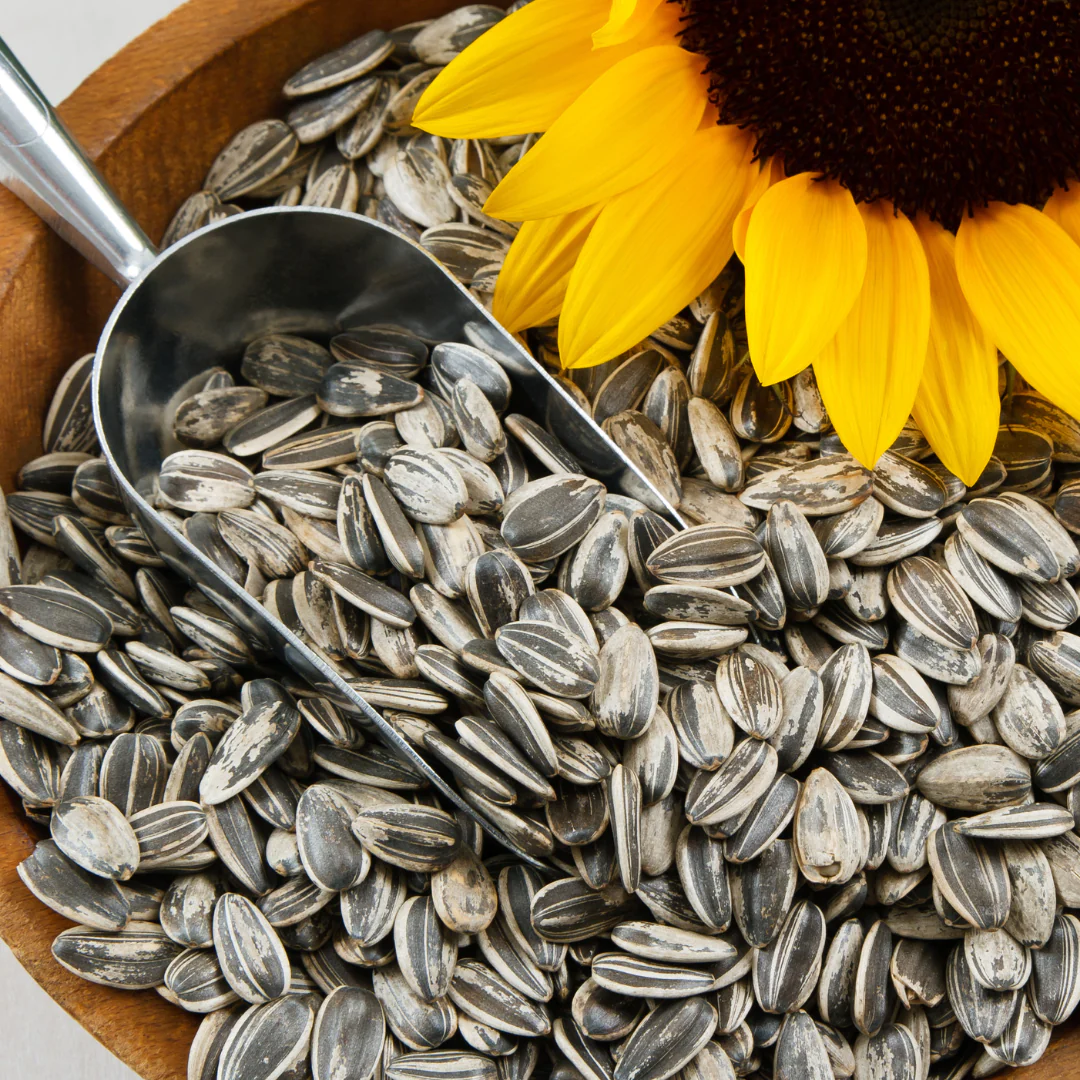
Raw sunflower kernels (Helianthus annuus) represent a foundational agricultural commodity, positioned centrally within the edible oilseed processing and snack food industries. These kernels are the de-hulled seeds of the sunflower plant, typically representing 60-70% oil content by weight. Their primary industrial application lies in the extraction of sunflower oil, a widely used vegetable oil valued for its light color, mild flavor, and high smoke point. Beyond oil production, kernels are directly consumed as a nutritious snack, a key ingredient in confectionery, and increasingly as a protein source in specialized food formulations. This guide provides a comprehensive technical overview of raw sunflower kernels, encompassing material science, manufacturing considerations, performance characteristics, failure modes, and relevant industry standards. The core performance attributes – oil yield, protein content, fatty acid profile, and absence of contaminants – dictate its commercial value and suitability for various applications. The industry faces challenges related to maintaining kernel quality during storage, minimizing acrylamide formation during roasting, and meeting increasingly stringent food safety regulations.
Material Science & Manufacturing
Sunflower kernels are predominantly composed of three primary constituents: oil (45-55%), protein (18-25%), and carbohydrate (12-15%), with smaller amounts of fiber and minerals. The oil is rich in linoleic acid (a polyunsaturated omega-6 fatty acid) and oleic acid (a monounsaturated fatty acid). Protein composition includes globulins, albumins, and glutelins, influencing nutritional value and allergenicity. The kernel shell, removed during dehulling, is composed of cellulose, hemicellulose, and lignin, providing structural rigidity. Manufacturing begins with harvesting, followed by drying to a moisture content of approximately 9-10% to inhibit microbial growth. Dehulling is typically achieved mechanically using impact or friction-based processes. Kernel size and shape variability significantly impact dehulling efficiency. Subsequent grading based on size and density ensures uniformity for optimal oil extraction. Oil extraction is commonly performed via mechanical pressing (expelling) or solvent extraction (typically hexane). Mechanical pressing yields a lower oil yield but preserves more of the kernel’s natural flavor and nutrients. Solvent extraction, while more efficient, necessitates stringent solvent removal processes to meet food safety standards. Critical parameters during manufacturing include drying temperature (to avoid protein denaturation and lipid oxidation), dehulling pressure (to minimize kernel breakage), and solvent residue levels (requiring precise control and analysis via gas chromatography).
Performance & Engineering
Kernel performance is fundamentally linked to its physical and chemical properties. Hardness, measured using compression testing, influences dehulling efficiency and breakage rates. Oil content, determined via Soxhlet extraction or NMR spectroscopy, directly impacts oil yield and profitability. Fatty acid composition, analyzed using gas chromatography-mass spectrometry (GC-MS), defines oil quality and suitability for specific applications (e.g., high-oleic sunflower oil for frying). Moisture content, crucial for storage stability, is typically assessed using the Karl Fischer titration method. Antioxidant activity, stemming from compounds like vitamin E and phenolic acids, contributes to oil’s oxidative stability and shelf life. From an engineering perspective, storage facilities must control temperature and humidity to prevent rancidity and mold growth. Transportation and handling systems should minimize kernel damage to avoid fines generation and dust explosions (sunflower kernel dust is combustible). The design of oil extraction equipment must account for kernel fragility and optimize oil recovery rates while minimizing energy consumption. Stress analysis models can predict kernel breakage under various processing loads, informing equipment design and operational parameters. Compliance requirements include adherence to food safety standards (e.g., HACCP) and regulations regarding pesticide residues and heavy metal contamination.
Technical Specifications
| Parameter | Unit | Typical Value | Testing Method |
|---|---|---|---|
| Oil Content (Dry Basis) | % | 48-58 | Soxhlet Extraction (AOCS Official Method) |
| Protein Content (Dry Basis) | % | 18-25 | Kjeldahl Method (AOCS Official Method) |
| Moisture Content | % | 8-10 | Karl Fischer Titration (AOCS Official Method) |
| Kernel Hardness | N | 50-80 | Compression Testing (ASTM D698) |
| Linoleic Acid Content | % of Total Fatty Acids | 50-70 | Gas Chromatography-Mass Spectrometry (GC-MS) |
| Oleic Acid Content | % of Total Fatty Acids | 10-30 (High Oleic: up to 80) | Gas Chromatography-Mass Spectrometry (GC-MS) |
Failure Mode & Maintenance
Sunflower kernels are susceptible to several failure modes during storage and processing. Rancidity, caused by lipid oxidation, is a primary concern, leading to off-flavors and reduced oil quality. This is accelerated by exposure to oxygen, light, and elevated temperatures. Insect infestation and mold growth represent significant spoilage pathways, producing mycotoxins that pose health risks. Physical damage during handling and processing (e.g., cracking, breakage) reduces oil yield and increases fines generation. Acrylamide formation during roasting, a potential carcinogen, is influenced by roasting temperature, time, and sugar content. Maintenance strategies include implementing strict hygiene protocols to prevent contamination, controlling storage conditions (temperature <25°C, humidity <65%), utilizing inert gas blanketing during storage to minimize oxidation, and employing appropriate pest control measures. Regular monitoring of moisture content, oil quality (peroxide value, acidity), and mycotoxin levels is crucial. Equipment maintenance focuses on ensuring proper operation of dehulling, drying, and oil extraction machinery, including regular cleaning, lubrication, and replacement of worn parts. Preventative maintenance schedules should incorporate vibration analysis and thermal imaging to identify potential failures before they occur.
Industry FAQ
Q: What are the key differences between high-oleic and linoleic sunflower oil regarding oxidative stability?
A: High-oleic sunflower oil, containing >70% oleic acid, exhibits significantly higher oxidative stability compared to traditional linoleic sunflower oil (typically 50-70% linoleic acid). Oleic acid's monounsaturated structure is less susceptible to oxidation than linoleic acid's polyunsaturated structure. This translates to a longer shelf life, reduced need for antioxidants, and suitability for high-temperature frying applications without significant degradation.
Q: How does kernel moisture content impact oil yield and quality?
A: Optimal kernel moisture content (8-10%) is critical. Excessive moisture promotes microbial growth and enzymatic activity, leading to oil degradation and reduced oil yield. Insufficient moisture can cause kernel breakage during processing and hinder efficient oil release. Maintaining proper moisture levels ensures optimal oil extraction efficiency and preserves oil quality parameters such as acidity and peroxide value.
Q: What are the primary methods for detecting aflatoxin contamination in sunflower kernels?
A: Aflatoxin contamination is typically assessed using Enzyme-Linked Immunosorbent Assay (ELISA) or High-Performance Liquid Chromatography (HPLC) with fluorescence detection. ELISA provides a rapid and cost-effective screening method, while HPLC offers greater accuracy and sensitivity for quantification. Both methods require certified reference materials and adherence to validated analytical protocols.
Q: What are the critical considerations for long-term storage of raw sunflower kernels?
A: Long-term storage requires controlled conditions: temperature below 25°C, relative humidity below 65%, and protection from direct sunlight. Silo storage should be aerated to prevent moisture buildup and localized heating. Regular monitoring of temperature, humidity, and kernel quality (oil content, moisture, aflatoxin levels) is essential. Inert gas blanketing (nitrogen) can further reduce oxidation.
Q: How does the dehulling process affect the fatty acid profile of the resulting sunflower oil?
A: The dehulling process itself has a minimal direct impact on the fatty acid profile. However, abrasive dehulling methods can generate heat, potentially leading to minor lipid oxidation. Furthermore, the presence of kernel fragments in the oil during extraction can contribute to increased free fatty acid content, impacting oil quality. Careful control of dehulling parameters and efficient filtration are crucial to mitigate these effects.
Conclusion
Raw sunflower kernels represent a versatile and economically important agricultural commodity, serving as a primary source of edible oil and a valuable protein source. Their quality is fundamentally determined by a complex interplay of material properties, manufacturing processes, and storage conditions. Maintaining optimal kernel moisture content, minimizing physical damage, and controlling storage environments are paramount to preserving oil yield, preventing rancidity, and ensuring compliance with stringent food safety regulations. Understanding the underlying material science and engineering principles governing kernel behavior is essential for optimizing processing efficiency and maximizing product value.
Future trends in the sunflower kernel industry are focused on developing high-oleic varieties with enhanced oxidative stability, improving dehulling technologies to reduce breakage and fines generation, and implementing advanced monitoring systems to detect and mitigate contamination risks. Further research into novel extraction techniques, such as supercritical fluid extraction, may offer more sustainable and efficient alternatives to traditional solvent extraction methods. The continued emphasis on traceability and transparency throughout the supply chain will be critical for maintaining consumer confidence and meeting evolving market demands.
