Introduction
Raw shelled sunflower seeds ( Helianthus annuus ) represent a significant commodity in the global food and oilseed industry. Positioned as a processed agricultural product, they serve as a direct human consumption snack, a key ingredient in confectionary and baking, and a source material for sunflower oil extraction. Their technical position within the supply chain lies between primary agricultural production (sunflower farming) and final consumer product manufacturing. Core performance characteristics center around oil content, protein concentration, fatty acid profile, and overall kernel integrity. Maintaining these properties is critical for both nutritional value and efficient oil extraction. A primary industry pain point revolves around achieving consistent seed quality, minimizing cracked kernels during shelling, preventing rancidity during storage, and ensuring compliance with increasingly stringent food safety regulations. The seeds' susceptibility to lipid oxidation and the impact of growing conditions on compositional variability present ongoing challenges.
Material Science & Manufacturing
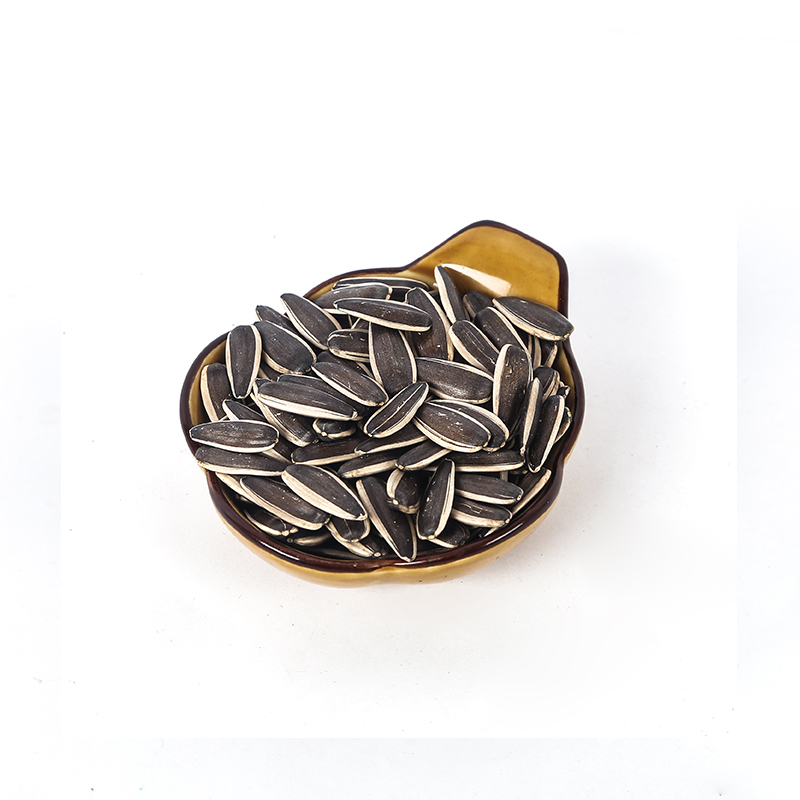
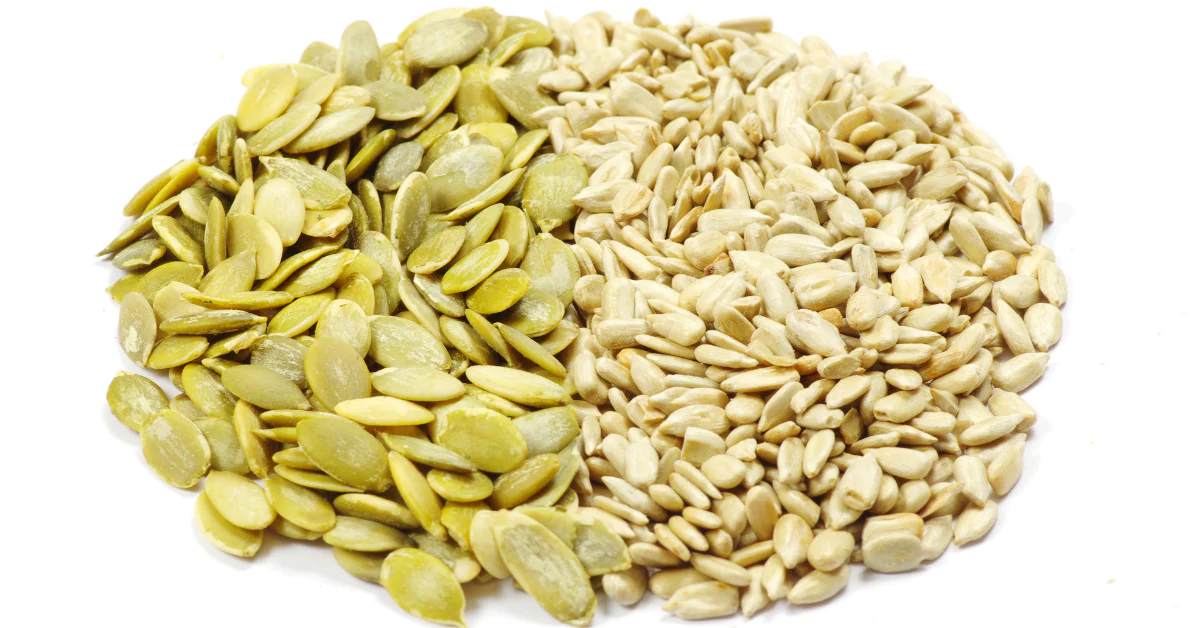
Sunflower seeds consist of several key components: the kernel (cotyledon), the hull (pericarp), and the embryo. The kernel, comprising approximately 65-80% of the seed’s weight, is rich in lipids (40-55%), proteins (18-25%), and carbohydrates (10-15%). The hull is composed primarily of cellulose and lignin, providing structural protection. Manufacturing begins with harvesting mature sunflower heads. The seeds are then dried to a moisture content of approximately 9-10% to inhibit enzymatic activity and microbial growth. Dehulling, traditionally mechanical, separates the kernel from the hull. Modern dehulling employs impact and friction processes, requiring precise control of impact velocity and surface texture to minimize kernel damage. Shelling parameters—feed rate, impeller speed, and screen aperture size—directly influence cracking rates. Subsequent grading and sorting remove foreign material (stem pieces, leaves) and broken kernels. Chemical composition is profoundly affected by genetics, growing conditions (sunlight, water availability, soil nutrients), and maturation stage. Lipid profiles vary widely, influencing oil quality; linoleic acid is typically the dominant fatty acid, but oleic acid content can be selectively bred for improved oxidative stability. Kernel hardness, measured by compression testing, dictates dehulling efficiency and resistance to cracking.
Performance & Engineering
The performance of raw shelled sunflower seeds is critically evaluated based on physical strength, oil yield, and oxidative stability. Kernel strength, determined through fracture resistance testing, is a key indicator of processability and transport durability. Force analysis during shelling reveals optimal impact forces and angles to minimize damage. Environmental resistance is primarily related to moisture control. Exposure to high humidity promotes lipid oxidation and mold growth. Packaging materials with low oxygen transmission rates (OTR) and low water vapor transmission rates (WVTR) are essential for extending shelf life. Compliance requirements are governed by food safety regulations, including those set by the FDA (Food and Drug Administration) and the EFSA (European Food Safety Authority). These regulations stipulate permissible levels of contaminants (aflatoxins, heavy metals), pesticide residues, and microbial counts. Functional implementation centers around maintaining the nutritional integrity of the seeds. Antioxidant coatings or vacuum packaging can be employed to enhance oxidative stability. Storage temperature and humidity also significantly influence quality retention. Kernel density impacts settling during processing and uniformity of roasting if intended for further processing.
Technical Specifications
| Parameter | Unit | Typical Value (Range) | Test Method |
|---|---|---|---|
| Oil Content (Dry Basis) | % | 48-58 | AOAC Official Method 983.23 |
| Protein Content (Dry Basis) | % | 18-25 | AOAC Official Method 978.04 |
| Moisture Content | % | < 10 | AOAC Official Method 925.10 |
| Kernel Hardness | N (Newtons) | 80-150 | Compression Testing (Instron) |
| Linoleic Acid Content | % of Total Fatty Acids | 50-70 | Gas Chromatography (GC-FID) |
| Aflatoxin B1 Level | ppb (parts per billion) | < 2 | HPLC-Fluorescence |
Failure Mode & Maintenance
Failure modes in raw shelled sunflower seeds primarily manifest as lipid oxidation (rancidity), mechanical damage (cracked kernels), and biological deterioration (mold growth). Lipid oxidation, a major degradation pathway, is accelerated by exposure to oxygen, light, and elevated temperatures. This results in off-flavors and reduced nutritional value. Cracked kernels, arising during shelling or handling, increase susceptibility to oxidation and insect infestation. Mold growth, particularly Aspergillus species, produces mycotoxins (aflatoxins) which pose a significant health risk. Maintenance, encompassing proper storage and handling, is crucial for mitigating these failures. Recommended practices include storing seeds in airtight containers, maintaining cool and dry conditions (temperature < 25°C, relative humidity < 65%), and protecting from direct sunlight. Regular monitoring for signs of mold growth or insect infestation is also essential. Implementing a first-in, first-out (FIFO) inventory system minimizes storage duration. For larger-scale storage facilities, controlled atmosphere storage (reducing oxygen levels) can significantly extend shelf life. Preventative measures during processing, such as optimizing shelling parameters and employing gentle handling techniques, are vital for minimizing mechanical damage.
Industry FAQ
Q: What is the primary factor affecting the shelf life of raw shelled sunflower seeds?
A: The primary factor affecting shelf life is lipid oxidation. The unsaturated fatty acids present in sunflower oil are prone to reacting with oxygen, leading to rancidity. Controlling oxygen exposure through proper packaging and storage is paramount. Moisture content also plays a significant role, as higher moisture levels accelerate oxidation and promote mold growth.
Q: How do different sunflower varieties impact the oil content and fatty acid profile?
A: Sunflower varieties are categorized based on their fatty acid composition: high linoleic, mid-oleic, and high oleic. High linoleic varieties typically have oil contents around 48-52% and a linoleic acid content of 60-70%. Mid-oleic varieties offer a balance, while high oleic varieties, bred for improved oxidative stability, can have oleic acid levels exceeding 80% and oil contents often above 50%.
Q: What are the key considerations for packaging materials to maintain seed quality?
A: Packaging materials should exhibit low oxygen transmission rates (OTR), low water vapor transmission rates (WVTR), and good barrier properties against light. Multi-layer films incorporating aluminum foil or metallized layers are commonly used. The material must also be food-grade and comply with relevant regulations. Modified atmosphere packaging (MAP) can further enhance shelf life by reducing oxygen levels inside the package.
Q: How are aflatoxin levels monitored and controlled in sunflower seeds?
A: Aflatoxin levels are monitored through laboratory analysis using techniques like HPLC-Fluorescence. Preventative measures include sourcing seeds from regions with low aflatoxin prevalence, implementing good agricultural practices (GAP), ensuring proper drying and storage, and employing rigorous quality control procedures throughout the supply chain. Regular sampling and testing are critical for compliance.
Q: What impact does the dehulling process have on the final product quality?
A: The dehulling process significantly impacts final product quality. Excessive impact forces or improper screen sizing can lead to cracked kernels, increasing susceptibility to oxidation and reducing market value. Optimizing dehulling parameters – feed rate, impeller speed, and screen aperture size – is essential for maximizing kernel integrity and minimizing damage. Gentle handling during subsequent processing stages is also crucial.
Conclusion
Raw shelled sunflower seeds represent a complex agricultural product requiring careful consideration of material science, manufacturing processes, and performance characteristics. Maintaining kernel integrity, controlling lipid oxidation, and adhering to stringent food safety regulations are paramount to delivering a high-quality, safe, and nutritionally valuable product. Understanding the interplay between genetics, growing conditions, processing parameters, and storage conditions is crucial for optimizing seed quality and maximizing shelf life.
Future advancements in sunflower breeding, packaging technologies, and process control will likely focus on enhancing oxidative stability, reducing mechanical damage, and improving traceability throughout the supply chain. Continued investment in research and development, coupled with rigorous quality control measures, will be essential for meeting the evolving demands of the global food industry and ensuring the sustainable production of this valuable commodity.
