Introduction
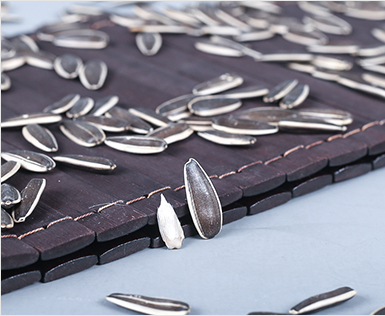
Raw natural sunflower seeds ( Helianthus annuus ) represent a significant agricultural commodity with applications spanning human consumption, animal feed, and industrial oil production. Positioned early in the food processing chain, their quality directly impacts downstream product characteristics. These seeds consist of a kernel enclosed within a hull (or husk). The kernel is rich in lipids, proteins, and various micronutrients. Core performance characteristics include oil content, protein profile, moisture content, and freedom from contaminants. Addressing industry pain points like aflatoxin presence, hulling efficiency variations, and maintaining kernel integrity during storage are critical to optimizing value and ensuring food safety. This guide details the material science, manufacturing considerations, performance analysis, potential failure modes, and relevant standards for raw natural sunflower seeds.
Material Science & Manufacturing
The primary raw material, the sunflower seed, exhibits a complex composition. The kernel comprises approximately 40-55% oil, primarily linoleic acid (omega-6) and oleic acid (omega-9), 20-25% protein, 15-20% carbohydrate, and 5-10% moisture. The hull is largely cellulose and lignin. Seed variety significantly influences oil profile, protein content, and hull thickness. Manufacturing commences with harvesting, typically via combine harvesters. Post-harvest processing involves cleaning (removal of stalks, leaves, and other debris), drying (reducing moisture content to 8-10% to inhibit mold growth), and dehulling. Dehulling employs mechanical abrasion and impact, often utilizing rubber rollers or centrifugal systems. Critical parameters during dehulling include roller pressure, impact velocity, and feed rate. Excessive pressure causes kernel damage, reducing oil yield and quality. Inadequate pressure results in incomplete hull removal. Drying temperature is also crucial. High temperatures (above 60°C) can denature proteins and degrade oil quality. Post-dehulling, the seeds undergo sorting based on size and quality using screens and optical sorters. Storage conditions—temperature (below 15°C), humidity (below 65%), and aeration—are vital to prevent rancidity and aflatoxin contamination. Seed viability and germination rates are also measured for seed intended for replanting.
Performance & Engineering
Performance evaluation centers on oil yield, oil quality (acid value, peroxide value, iodine value), protein content, and the presence of undesirable compounds like free fatty acids and aflatoxins. Force analysis during dehulling requires understanding the fracture mechanics of the hull and kernel. The hull's brittle fracture requires precise force application to avoid damaging the softer kernel. Environmental resistance is primarily assessed by evaluating seed stability during storage under varying temperature and humidity conditions. The rate of lipid oxidation, indicated by peroxide value increases, is a key metric. Compliance requirements are stringent, particularly concerning aflatoxin levels. Regulations set maximum permissible levels (e.g., 20 ppb in the US, 2.5 ppb in the EU). Furthermore, organic certification (e.g., USDA Organic, EU Organic) requires adherence to specific farming practices and prohibits the use of synthetic pesticides and fertilizers. Seed size and shape uniformity are crucial for efficient processing in downstream applications like oil extraction and confectionery production. Seed density affects sedimentation rates during cleaning and separation processes. The moisture content directly influences flowability and handling characteristics during processing.
Technical Specifications
| Parameter | Unit | Typical Range | Test Method |
|---|---|---|---|
| Oil Content (Dry Basis) | % | 42-58 | Soxhlet Extraction (AOCS Official Method Ja 5) |
| Protein Content (Dry Basis) | % | 18-26 | Kjeldahl Method (AOCS Official Method Ba 3) |
| Moisture Content | % | 8-10 | Oven Drying Method (AOCS Official Method Ca 14) |
| Aflatoxin Level (Total) | ppb | <20 | ELISA or HPLC (AOCS Official Method Tf 4) |
| Kernel Soundness (%) | % | >95 | Visual Inspection and Mechanical Damage Assessment |
| Hull Content (%) | % | <5 | Differential Weighing and Visual Sorting |
Failure Mode & Maintenance
Failure modes in raw sunflower seeds primarily relate to degradation of kernel quality. Rancidity, caused by lipid oxidation, is a common failure, manifesting as an off-flavor and reduced oil quality. This is accelerated by exposure to oxygen, light, and high temperatures. Aflatoxin contamination, a serious safety concern, arises from fungal growth ( Aspergillus flavus and A. parasiticus ) during pre-harvest or post-harvest handling. Physical damage during dehulling causes kernel breakage, increasing surface area exposed to oxidation and contamination. Insect infestation can lead to significant losses and introduce undesirable compounds. Maintenance focuses on preventative measures. Proper drying and storage are paramount—maintaining low temperature and humidity. Regular inspection for signs of mold, insects, and physical damage is essential. Implementing a robust Hazard Analysis and Critical Control Points (HACCP) system is crucial for managing aflatoxin risks. Seed treatments with antifungal agents (where permitted by regulations) can provide a preventative barrier. Proper cleaning and sanitation of processing equipment minimize cross-contamination.
Industry FAQ
Q: What is the significance of the acid value in sunflower seeds, and how does it relate to storage time?
A: Acid value measures the amount of free fatty acids present in the oil. A higher acid value indicates greater lipid hydrolysis, which is a sign of oil degradation. Acid value increases over time due to enzymatic activity and oxidation. A significant increase suggests prolonged storage or suboptimal storage conditions and impacts oil quality for downstream processing.
Q: How does sunflower seed variety impact the oil profile and its suitability for different applications?
A: Different sunflower varieties yield oils with varying fatty acid compositions. High-oleic varieties (e.g., NuSun) produce oils with a high percentage of oleic acid, resulting in improved oxidative stability and suitability for high-heat cooking. Linoleic varieties have a higher linoleic acid content, suitable for salad oils and nutritional applications. Variety selection must align with the intended end-use of the oil.
Q: What are the critical control points for minimizing aflatoxin contamination throughout the supply chain?
A: Critical control points include pre-harvest monitoring for insect damage (which provides entry points for Aspergillus), proper drying to reduce moisture content, segregation of damaged or moldy seeds, and storage in well-ventilated, dry facilities. Regular aflatoxin testing at various stages is also essential.
Q: What impact does dehulling efficiency have on the overall yield and quality of the sunflower kernels?
A: Efficient dehulling maximizes kernel recovery and minimizes hull content. Incomplete dehulling reduces oil yield and introduces fiber, which affects oil clarity and processing efficiency. Aggressive dehulling can cause kernel damage, leading to increased free fatty acids and reduced oil quality.
Q: What are the typical standards for moisture content, and why is it so important to maintain within these ranges?
A: Typical standards require moisture content between 8-10%. Higher moisture content promotes mold growth and aflatoxin production. Lower moisture content can cause kernel brittleness, leading to breakage during handling and processing. Maintaining optimal moisture content is critical for preserving seed quality and ensuring safe storage.
Conclusion
Raw natural sunflower seeds represent a complex agricultural commodity requiring careful management throughout the entire supply chain. Optimizing performance hinges on understanding the interplay between material science, manufacturing processes, and environmental factors. Controlling moisture content, minimizing physical damage, and implementing robust aflatoxin mitigation strategies are paramount for ensuring product quality and safety.
Future advancements in sunflower breeding focusing on improved oil profiles, enhanced disease resistance, and optimized hulling characteristics will further enhance the value of this important resource. Continued refinement of post-harvest handling and storage techniques, coupled with rigorous adherence to international standards, are essential for maintaining the integrity of raw sunflower seeds and meeting the evolving demands of the food and industrial sectors.
