Introduction
Pumpkin seeds ( Cucurbita pepo var. styriaca) and sunflower seeds (Helianthus annuus) represent significant agricultural products utilized extensively in the food industry and increasingly in industrial applications. Their technical position within the food chain falls under oilseed processing and snack food manufacturing. While both are seeds, their differing biochemical compositions dictate distinct performance characteristics regarding oil content, protein profile, fatty acid composition, and hull strength. This guide provides an in-depth technical analysis comparing these two seed types, examining their material properties, manufacturing processes, performance attributes, potential failure modes, and relevant industry standards. Core industry pain points involve maintaining consistent seed quality, optimizing oil extraction efficiency, and mitigating risks associated with allergen contamination and rancidity.
Material Science & Manufacturing
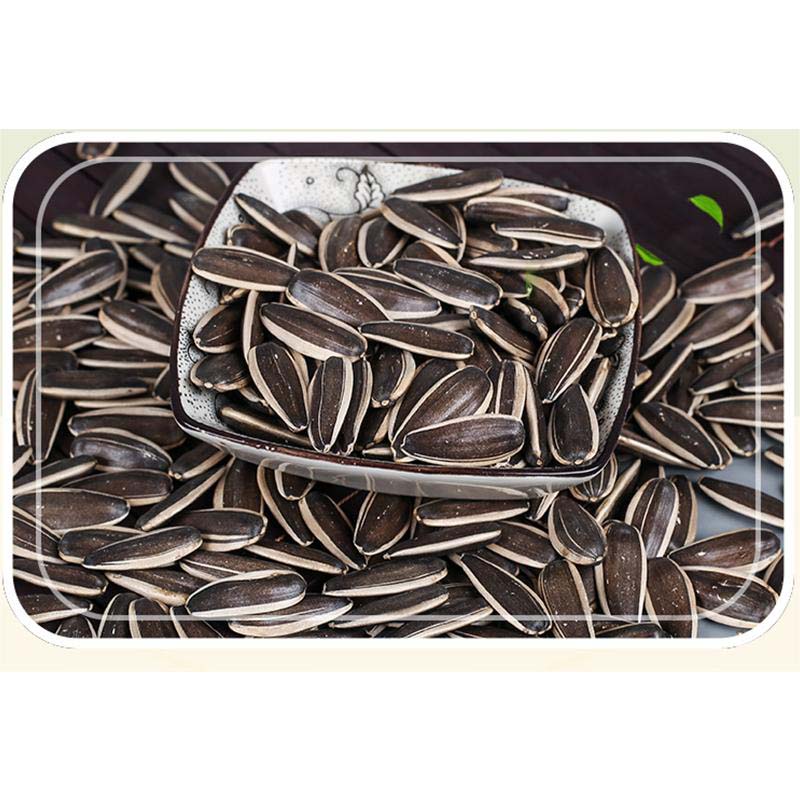
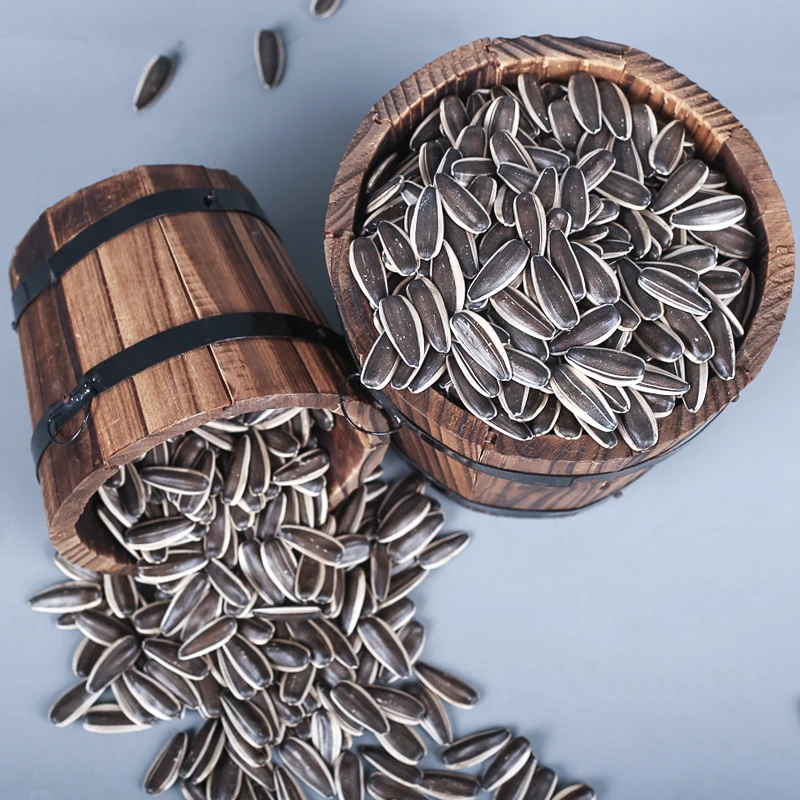
Pumpkin seeds comprise approximately 50-60% oil, 25-30% protein, and 10-15% carbohydrate, encased within a relatively hard, fibrous hull. The oil is rich in linoleic acid (omega-6) and contains tocopherols as natural antioxidants. Sunflower seeds, conversely, typically exhibit 40-55% oil, 20-25% protein, and 15-20% carbohydrate, with varying hull thickness depending on the variety (confectionary vs. oilseed). Sunflower oil is predominantly linoleic acid, but high-oleic sunflower varieties are increasingly common. Manufacturing begins with harvesting, cleaning, and drying. Pumpkin seeds require hulling, often via mechanical abrasion or cracking, a process that can induce microfractures affecting oil quality. Sunflower seeds undergo dehulling, often using impact dehullers, followed by flaking, cooking, and oil extraction using mechanical pressing or solvent extraction (typically hexane). Control of moisture content (below 8% for storage) is critical to prevent fungal growth and aflatoxin contamination. Roasting, a common processing step, affects protein denaturation and lipid oxidation rates. The physical properties of the hulls - tensile strength, impact resistance, and frictional coefficient - are key parameters determining dehulling efficiency and minimizing seed damage. Seed grading based on size and density using sieving and air classification further refines material consistency.
Performance & Engineering
The performance of both seeds is critically linked to their oil yield, protein functionality, and overall nutritional value. Oil extraction efficiency is governed by cell wall disruption during flaking and cooking, impacting lipid release. The force required to rupture the seed coat (measured via compression testing) is a key engineering parameter. Environmental resistance pertains to oxidative stability of the oil, measured by the Rancimat method, and the susceptibility to moisture uptake, influencing microbial growth. Compliance requirements include adherence to food safety standards (HACCP), allergen labeling regulations (especially regarding seed cross-contamination), and maximum residue limits for solvents used in oil extraction. Functional implementation considers the end-use application. Pumpkin seed protein possesses a unique amino acid profile, making it suitable for protein concentrates and isolates. Sunflower lecithin, a byproduct of oil refining, acts as a potent emulsifier. The structural integrity of roasted seeds (resistance to fracturing during handling and packaging) is crucial for maintaining product appeal. Thermal stability during roasting, monitored by differential scanning calorimetry (DSC), influences flavor development and antioxidant activity.
Technical Specifications
| Parameter | Pumpkin Seeds (Average) | Sunflower Seeds (Average) | Units |
|---|---|---|---|
| Oil Content (Dry Weight Basis) | 55% | 48% | % |
| Protein Content (Dry Weight Basis) | 30% | 22% | % |
| Linoleic Acid (Omega-6) | 50-60% of Total Fatty Acids | 60-70% of Total Fatty Acids | % |
| Hull Strength (Compression) | 80-120 | 50-90 | N |
| Moisture Content (Optimal Storage) | ≤8% | ≤8% | % |
| Rancidity Induction Time (Rancimat, 120°C) | 6-8 | 4-6 | Hours |
Failure Mode & Maintenance
Failure modes in both pumpkin and sunflower seeds primarily relate to lipid oxidation, resulting in rancidity and off-flavors. This is accelerated by exposure to oxygen, light, and elevated temperatures. Microbial contamination, particularly by Aspergillus species producing aflatoxins, represents a significant safety hazard, often stemming from inadequate drying or storage conditions. Hull damage during processing can increase susceptibility to moisture uptake and microbial growth. Fatigue cracking of the seed coat can occur during dehulling and handling, particularly in pumpkin seeds with pre-existing microfractures. Degradation of protein quality occurs with prolonged storage due to Maillard reactions and enzymatic hydrolysis. Maintenance strategies involve implementing strict quality control measures at each stage of processing – including thorough cleaning, rapid drying, controlled storage temperature and humidity, and the addition of antioxidants (e.g., tocopherols) to the oil. Regular monitoring for aflatoxin contamination using ELISA or HPLC is essential. Proper equipment maintenance, including timely replacement of worn dehulling components, minimizes seed damage. Protective packaging (vacuum or nitrogen-flushed) further reduces oxidative degradation.
Industry FAQ
Q: What are the primary differences in fatty acid profiles impacting shelf life between pumpkin and sunflower oils?
A: Sunflower oil generally has a higher linoleic acid content than pumpkin seed oil. Linoleic acid is more prone to oxidation, leading to a shorter shelf life. While pumpkin seed oil contains significant linoleic acid, it also possesses a higher concentration of tocopherols (Vitamin E), acting as natural antioxidants, which can partially mitigate oxidative degradation.
Q: How does hull thickness affect the dehulling process and subsequent oil yield?
A: Thicker hulls require greater force to remove, potentially causing seed damage and reducing oil yield. Sunflower seed varieties bred for confectionery use typically have thinner hulls than oilseed varieties, making them easier to hull but potentially resulting in lower oil content per seed. Pumpkin seed hulls are naturally harder and more fibrous, necessitating robust dehulling equipment.
Q: What are the key considerations for mitigating aflatoxin contamination in pumpkin seeds?
A: Aflatoxin contamination is primarily a concern with pumpkin seeds due to their larger surface area and tendency to harbor fungal growth. Crucial mitigation strategies include rapid and thorough drying immediately after harvest, careful storage in well-ventilated areas with low humidity, and regular testing for aflatoxin levels using sensitive analytical techniques.
Q: How does roasting temperature impact the protein quality and flavor profile of both seed types?
A: Excessive roasting temperatures can lead to protein denaturation and the formation of undesirable Maillard reaction products, reducing protein digestibility. Controlled roasting temperatures optimize flavor development by inducing Maillard reactions while minimizing protein damage. Pumpkin seeds exhibit a distinct, nutty flavor profile when roasted, while sunflower seeds develop a milder, more neutral flavor.
Q: What methods are used to determine the optimal harvest time to maximize oil content and minimize seed damage?
A: Harvest time is determined by monitoring seed moisture content and kernel maturity. Kernels should be firm and fully developed, with a moisture content around 30-35%. Delayed harvesting can result in seed shattering and reduced oil content, while premature harvesting yields underdeveloped kernels with lower oil yields.
Conclusion
In summary, both pumpkin and sunflower seeds represent valuable resources within the food and industrial sectors. Pumpkin seeds offer a distinct nutritional profile with higher protein content and a unique fatty acid composition, albeit presenting challenges regarding hull removal and aflatoxin control. Sunflower seeds, conversely, demonstrate greater ease of processing and broader applicability due to their higher oil yield and relatively neutral flavor. The selection between these two seed types hinges upon specific application requirements, considering factors such as oil quality, protein functionality, processing efficiency, and regulatory compliance.
Future research should focus on developing improved dehulling technologies to minimize seed damage in pumpkin seeds and optimizing high-oleic sunflower varieties for enhanced oxidative stability. Implementing advanced monitoring systems for aflatoxin contamination throughout the supply chain remains a critical priority. Further investigation into the bioactive compounds present in both seeds could unlock new applications in nutraceuticals and functional foods.
