Introduction
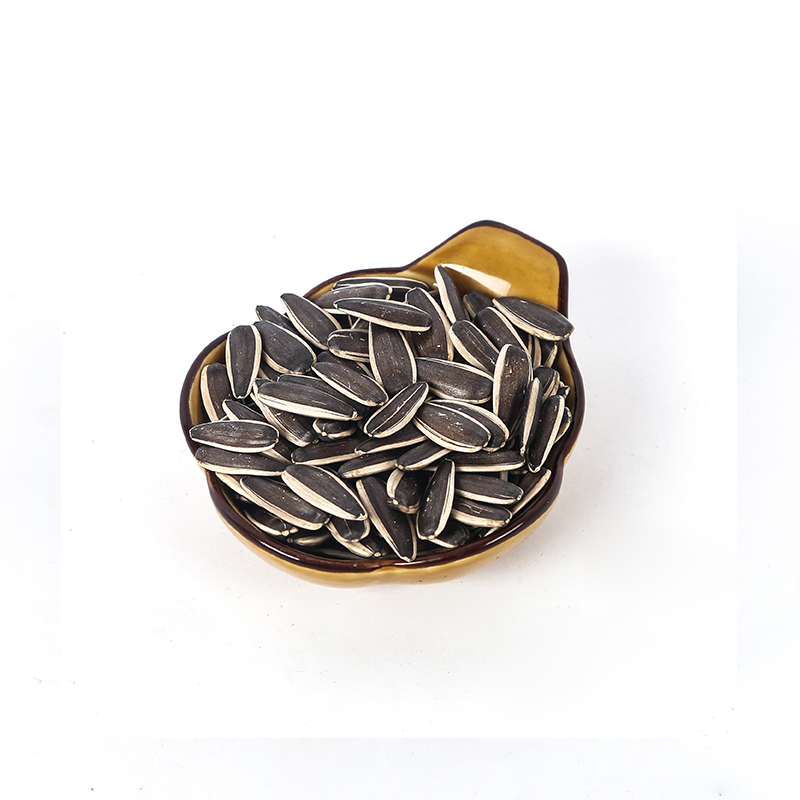
Pumpkin seeds ( Cucurbita pepo) and sunflower seeds (Helianthus annuus) represent significant segments within the edible seed industry, functioning as both direct consumption snacks and crucial components in oil extraction processes. Technically, they are categorized as achenes – a dry fruit containing a single seed. While often perceived as simple commodities, their production and processing require a nuanced understanding of agronomy, seed physiology, and post-harvest handling to maintain quality and safety. The industry faces growing demands for improved seed quality (oil content, protein levels), traceability, and sustainable sourcing practices. This guide provides a comprehensive technical overview of these seeds, encompassing material science, manufacturing processes, performance characteristics, potential failure modes, and relevant industry standards. Core performance metrics include oil yield, protein content, fatty acid profile, moisture content, and aflatoxin levels, which directly impact market value and consumer safety.
Material Science & Manufacturing
Pumpkin seeds comprise approximately 50-60% oil, 25-35% protein, and 5-10% carbohydrates, encased within a lignified hull (pericarp). The oil is rich in linoleic acid (omega-6) and oleic acid (omega-9). Sunflower seeds exhibit varying oil content (38-58%) dependent on the hybrid, with a higher proportion of linoleic acid in linoleic types and oleic acid in high-oleic types. The seed coat, composed of cellulose and lignin, provides physical protection but must be carefully removed during processing. Manufacturing begins with harvesting, typically employing combine harvesters. Post-harvest, seeds undergo cleaning to remove debris, drying to achieve optimal moisture content (typically 8-10% for storage), dehulling (mechanical removal of the hull), and grading based on size and quality. For oil production, seeds are pressed (mechanical extraction) or solvent extracted (using hexane). Key parameters during drying include temperature control (avoiding exceeding 45°C to prevent oil degradation) and airflow rate to ensure uniform drying. Dehulling efficiency is critical, impacting both yield and seed quality; excessive force can damage the kernel. Oil refining processes involve degumming, neutralization, bleaching, and deodorization to improve purity and stability.
Performance & Engineering
The structural integrity of both seed types is governed by their cellular composition and the arrangement of their constituent molecules. The tensile strength of the seed coat is a critical parameter influencing its resistance to cracking during processing. Oil extraction efficiency is directly related to the cell wall permeability, which is affected by drying and pre-treatment processes. The hull's rigidity dictates the force required for effective dehulling without kernel damage. From an engineering perspective, the design of processing equipment (dehullers, presses, solvent extractors) must account for the seeds’ anisotropic properties (different properties in different directions) and potential for frictional heating. Storage stability is paramount; lipid oxidation, catalyzed by light, oxygen, and trace metals, leads to rancidity and reduced oil quality. Engineering solutions to mitigate oxidation include packaging under inert atmospheres (nitrogen or argon), the addition of antioxidants (e.g., tocopherols), and controlled temperature storage. Compliance requirements, particularly regarding aflatoxin levels, necessitate rigorous quality control measures throughout the supply chain. Moisture content is also critical for preventing microbial growth and maintaining seed viability.
Technical Specifications
| Parameter | Pumpkin Seeds (Average) | Sunflower Seeds (Linoleic) | Sunflower Seeds (High-Oleic) |
|---|---|---|---|
| Oil Content (%) | 49-58 | 40-50 | 50-60 |
| Protein Content (%) | 25-35 | 20-25 | 22-28 |
| Moisture Content (%) (Optimal Storage) | 8-10 | 8-10 | 8-10 |
| Linoleic Acid (%) of Total Fat | 50-60 | 60-75 | 10-20 |
| Oleic Acid (%) of Total Fat | 30-40 | 15-30 | 60-80 |
| Hull Percentage (%) | 30-40 | 25-35 | 25-35 |
Failure Mode & Maintenance
Failure modes in pumpkin and sunflower seed processing are diverse. Kernel cracking during dehulling is a common issue, often stemming from excessive pressure or improper equipment calibration. Lipid oxidation, leading to rancidity, is a primary concern during storage; symptoms include off-flavors and reduced oil quality. Aflatoxin contamination, caused by Aspergillus molds, represents a serious safety hazard; it’s exacerbated by high moisture content and inadequate drying. Mechanical wear in processing equipment (e.g., rollers, presses) leads to reduced efficiency and potential contamination. Maintenance protocols should include regular inspection and replacement of wear parts, calibration of dehulling equipment to minimize kernel damage, meticulous cleaning and sanitation procedures to prevent mold growth, and adherence to strict temperature and humidity control during storage. Periodic oil quality analysis (peroxide value, acid value) is crucial for monitoring oxidation levels. Implementation of Hazard Analysis and Critical Control Points (HACCP) systems is essential for mitigating aflatoxin risks. Furthermore, proper ventilation in storage facilities is vital to prevent moisture buildup and mold proliferation.
Industry FAQ
Q: What are the key factors affecting oil yield in sunflower seeds?
A: Oil yield is influenced by genetics (hybrid type - linoleic vs. high-oleic), maturity at harvest (optimal maturity maximizes oil content), drying methods (avoiding excessive heat to prevent oil degradation), and dehulling efficiency (minimizing kernel damage). Seed density and overall plant health during growth also play significant roles.
Q: How can aflatoxin contamination be effectively prevented in pumpkin seeds?
A: Aflatoxin prevention requires a multi-faceted approach: ensuring proper drying to reduce moisture content below 8-10%, implementing rigorous cleaning procedures to remove moldy or damaged seeds, utilizing effective storage practices (cool, dry, well-ventilated environment), and potentially applying antifungal treatments (subject to regulatory approval). Regular testing for aflatoxin levels is paramount.
Q: What is the impact of dehulling on the quality of sunflower seed kernels?
A: Improper dehulling can cause significant kernel damage, reducing oil yield and increasing the level of free fatty acids. Gentle dehulling methods, precise calibration of dehulling equipment, and careful control of impact force are essential for minimizing damage. Hull fragments left on the kernel also detract from quality.
Q: What are the advantages of high-oleic sunflower oil compared to linoleic sunflower oil?
A: High-oleic sunflower oil exhibits greater oxidative stability due to its lower linoleic acid content. This translates to a longer shelf life, improved frying performance, and a healthier fatty acid profile. It's less prone to rancidity and offers better resistance to heat-induced degradation.
Q: What maintenance is required for seed processing equipment to maximize efficiency and minimize downtime?
A: Regular maintenance includes lubrication of moving parts, inspection and replacement of worn rollers and dies, calibration of dehulling equipment, cleaning of screens and separators, and periodic checks for alignment and vibration. A preventative maintenance schedule based on operating hours is highly recommended.
Conclusion
Pumpkin seeds and sunflower seeds, while seemingly simple agricultural products, represent complex systems requiring a deep understanding of material science, engineering principles, and quality control measures. Optimizing oil yield, maintaining seed integrity, and ensuring food safety are paramount concerns for the industry. Successful processing relies on meticulous control of each stage, from harvesting and drying to dehulling, oil extraction, and storage.
Future advancements will likely focus on developing improved seed varieties with higher oil content and enhanced resistance to stress, implementing more efficient and sustainable processing technologies, and employing advanced analytical techniques for rapid and accurate quality assessment. Traceability systems, leveraging blockchain technology, will become increasingly important for ensuring product authenticity and consumer confidence.
