Introduction
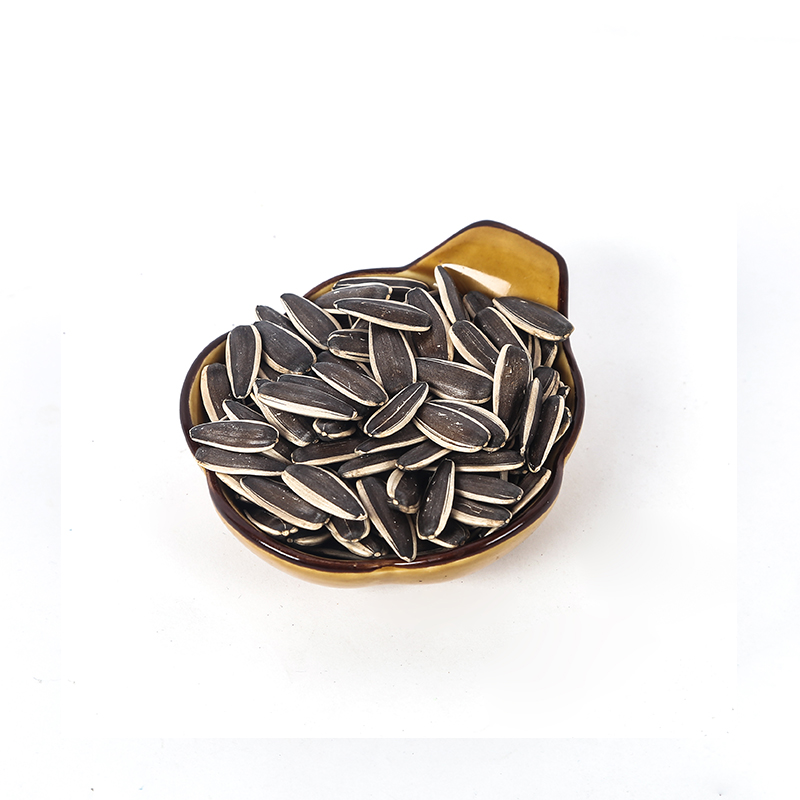
Private label sunflower seeds represent a significant segment within the broader snack food industry, serving both retail and food service markets. From a technical standpoint, the industry chain begins with agricultural cultivation, progresses through post-harvest processing (drying, dehulling, grading), and culminates in packaging and distribution. Sunflower seeds, Helianthus annuus, are valued for their nutritional profile – comprising protein, healthy fats, vitamin E, and fiber – and their versatility as a direct consumption snack or ingredient in baked goods and confectionery. Core performance characteristics for commercially viable sunflower seeds include kernel size and weight consistency, oil content, moisture content (affecting shelf life), hulling percentage, and freedom from defects (broken kernels, foreign material, insect damage). The private label market demands stringent quality control to maintain brand reputation, making understanding these parameters critical for both manufacturers and buyers. This guide provides a deep dive into the material science, manufacturing processes, performance engineering, failure modes, and industry standards governing private label sunflower seed production.
Material Science & Manufacturing
Sunflower seeds are composed of three primary components: the kernel (cotyledon), the hull (pericarp), and the germ. The kernel constitutes approximately 65-75% of the seed's weight and is rich in oil (40-55%), primarily linoleic acid. The hull, a protective outer layer, contributes to seed size and influences processing efficiency. Material properties are intrinsically linked to genetics (variety), growing conditions (soil composition, rainfall, temperature), and post-harvest handling. Raw material selection focuses on high-oil-content varieties minimizing free fatty acid (FFA) content which impacts flavor stability and shelf-life.
Manufacturing begins with harvesting and initial drying to reduce moisture content to approximately 9-10%, inhibiting mold growth and enzymatic activity. This typically involves forced-air drying, carefully controlled to avoid thermal damage to the oil. Dehulling is a critical step, often employing impact dehullers, followed by kernel grading based on size and density, usually utilizing screens and air separators. Further cleaning removes foreign material (stones, stems, leaves). Roasting or seasoning are common value-added processes. Roasting, typically conducted at 120-180°C for 15-30 minutes, develops flavor and enhances crispness. Precise temperature control is paramount to prevent scorching and maintain oil quality. Seasoning application utilizes tumbling drums or spray coating, with careful consideration given to adhesion and even distribution. Key parameters in manufacturing include: Drying temperature (<60°C to preserve oil quality), Dehulling impact force (optimized to maximize kernel recovery and minimize damage), Roasting temperature and time (determined by target moisture content and flavor profile), and Seasoning concentration and adhesion (ensuring even coating and palatability).
Performance & Engineering
Performance characteristics are directly tied to seed quality and processing parameters. Moisture content is crucial, as it directly influences shelf life and susceptibility to microbial growth. Target moisture content for finished products typically ranges from 3-5%. Kernel hardness, measured using a penetrometer, affects processing efficiency during dehulling and impacts texture. Oil stability, assessed via Rancimat testing (measuring oxidation induction time), dictates product shelf life. Force analysis is essential in equipment design – particularly in dehulling and cracking systems – to optimize impact forces and minimize kernel damage.
Environmental resistance, primarily focused on moisture and oxygen permeability of packaging, dictates shelf life and prevents rancidity. Packaging materials must provide a robust barrier to moisture, oxygen, and light. Compliance requirements include adherence to food safety regulations (HACCP, GMP) and labeling requirements (nutritional information, allergen declarations). Functional implementation focuses on consistent seasoning application and uniform roasting, achieved through precise process control and calibrated equipment. Packaging designs must also withstand the stresses of transportation and handling, preventing breakage and maintaining product integrity. The use of modified atmosphere packaging (MAP) with nitrogen flushing is increasingly employed to extend shelf life by reducing oxygen levels.
Technical Specifications
| Parameter | Unit | Typical Range | Test Method |
|---|---|---|---|
| Moisture Content | % | 3-5 | Oven Drying (AOAC 925.10) |
| Oil Content | % | 45-55 | Soxhlet Extraction (AOAC 920.39) |
| Kernel Size (Average Diameter) | mm | 8-12 | Sieve Analysis |
| Hulling Percentage | % | >90 | Visual Inspection & Weighing |
| Free Fatty Acid (FFA) Content | % Oleic Acid | <0.5 | Titration (AOCS Cd 3-63) |
| Peroxide Value | meq O2/kg | <5 | Titration (AOCS Cd 8-53) |
Failure Mode & Maintenance
Common failure modes include rancidity (oxidative degradation of oils), kernel breakage during processing, insect infestation, and moisture absorption leading to mold growth. Rancidity is accelerated by high temperatures, exposure to oxygen, and the presence of metal ions. Kernel breakage is typically caused by excessive impact forces during dehulling or improper roasting parameters. Insect infestation necessitates stringent pest control measures throughout the supply chain. Moisture absorption compromises product quality and shelf life. Failure analysis techniques include gas chromatography-mass spectrometry (GC-MS) to identify volatile compounds indicative of rancidity, microscopic examination to assess kernel damage, and microbial analysis to detect mold growth.
Preventative maintenance is critical. This involves regular cleaning and inspection of processing equipment (dehullers, roasters, graders) to prevent buildup of debris and ensure optimal performance. Calibration of temperature sensors and control systems is essential for consistent roasting and drying. Proper storage of raw materials and finished products – in cool, dry conditions – minimizes moisture absorption and insect infestation. Implementing a robust HACCP plan and adhering to GMP guidelines are crucial for preventing contamination and ensuring food safety. Packaging integrity should be regularly inspected to ensure a hermetic seal.
Industry FAQ
Q: What is the ideal oil content range for sunflower seeds intended for roasting, and how does it affect the final product's flavor and texture?
A: The ideal oil content range for roasting is typically 48-55%. Higher oil content generally results in a richer flavor and a more desirable, slightly oily texture. However, excessively high oil content can lead to a greasy mouthfeel and a shorter shelf life due to increased susceptibility to oxidation. Lower oil content seeds may produce a drier, less flavorful product.
Q: How does the dehulling process impact the final yield and what parameters are critical to optimize?
A: The dehulling process significantly impacts yield. Critical parameters include the impact force, the feed rate of seeds, and the gap setting between the impact surfaces. Optimizing these parameters minimizes kernel damage while maximizing hull removal. Excessive force leads to broken kernels, reducing yield and quality. Insufficient force results in incomplete dehulling.
Q: What are the primary causes of rancidity in sunflower seeds, and what packaging solutions can mitigate this issue?
A: Rancidity is primarily caused by oxidation of unsaturated fatty acids in the oil, accelerated by oxygen, heat, light, and metal ions. Mitigation strategies include using packaging materials with excellent barrier properties (low OTR and WVTR), nitrogen flushing to reduce oxygen levels, and incorporating antioxidants (e.g., vitamin E) into the packaging film or directly into the seeds.
Q: What are the key considerations when selecting a private label packaging material to ensure product freshness and extend shelf life?
A: Key considerations include oxygen permeability, moisture permeability, light protection, and mechanical strength. Multi-layer films incorporating aluminum foil or metallized polyester offer superior barrier properties. The material must also be food-grade, compliant with relevant regulations, and capable of withstanding the rigors of transportation and handling.
Q: What quality control measures are essential to ensure consistent kernel size and minimize the presence of foreign materials?
A: Essential quality control measures include pre-processing cleaning (removing stems, leaves, stones), size grading using screens and air separators, visual inspection, and metal detection. Regular calibration of grading equipment and adherence to strict hygiene protocols are also crucial. Statistical process control (SPC) can be implemented to monitor key parameters and identify potential deviations.
Conclusion
Private label sunflower seed production is a complex process requiring careful attention to material science, manufacturing parameters, and quality control. Understanding the interplay between seed composition, processing conditions, and packaging is vital for delivering a consistent, high-quality product with an acceptable shelf life. Optimizing each stage of the production chain – from cultivar selection to packaging – is crucial for maximizing yield, minimizing defects, and meeting the stringent demands of the private label market.
Future trends in the industry are likely to focus on sustainable sourcing, innovative packaging solutions (biodegradable films), and advanced processing technologies (e.g., pulsed electric field dehulling). Continued research into oil stabilization techniques and the development of more robust quality control methodologies will further enhance the performance and longevity of private label sunflower seeds. Ultimately, a commitment to technical excellence is paramount for success in this competitive landscape.
