Introduction
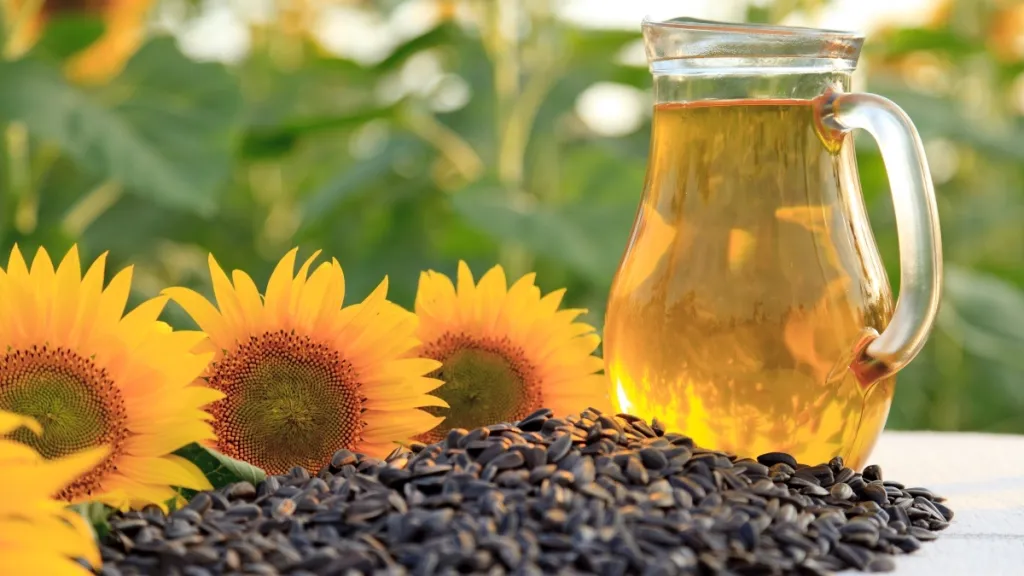
Pepitas, the culinary term for hulled sunflower seeds ( Helianthus annuus), represent a significant component within the global snack food and ingredient market. Technically, pepitas are dicotyledonous seeds derived from the sunflower plant, post-harvesting and mechanical dehulling. Their position in the food supply chain falls between primary agricultural production and the consumer packaged goods (CPG) sector, serving as a versatile ingredient in confectionery, baking, and increasingly, as a source of plant-based protein. Core performance characteristics defining pepita quality include oil content, protein content, moisture levels, absence of hull fragments, and freedom from mycotoxins. Demand is driven by increasing health consciousness and a growing preference for natural, minimally processed snacks. Industry pain points revolve around consistent seed size, minimizing rancidity due to high oil content, and ensuring adherence to stringent food safety regulations.
Material Science & Manufacturing
The primary material science of pepitas centers around their lipid, protein, and carbohydrate composition. Sunflower seeds contain approximately 40-50% oil, predominantly linoleic acid (a polyunsaturated omega-6 fatty acid), alongside oleic acid (a monounsaturated omega-9 fatty acid). The protein content typically ranges from 20-25%, consisting of globulins and albumins, making them a valuable plant-based protein source. Carbohydrates constitute around 15-20%, primarily complex polysaccharides. The seed coat (hull) is composed largely of cellulose and lignin, providing structural integrity. Manufacturing begins with harvesting mature sunflower heads. Seeds are mechanically separated, cleaned, and dried to a moisture content of around 8-10% to inhibit microbial growth. Dehulling is a critical step, often utilizing impact dehullers or rubber roll dehullers, with parameter control focusing on roll gap, impact velocity, and seed feed rate. Improper dehulling leads to hull fragments contaminating the product. Further processing involves grading by size (using screens), optical sorting (removing discolored or damaged seeds), and often roasting or seasoning for enhanced flavor and shelf-life. Control of roasting temperature and time is paramount to prevent lipid oxidation and acrylamide formation. Packaging utilizes materials with low oxygen permeability to maintain freshness. Chemical compatibility during processing requires food-grade lubricants and cleaning agents to prevent contamination.
Performance & Engineering
Performance engineering of pepitas focuses on maintaining structural integrity during handling and transportation, minimizing lipid oxidation, and ensuring consistent product quality. Force analysis relates to seed resistance to cracking during dehulling and sorting. Seed toughness is influenced by moisture content and lipid composition. Environmental resistance is primarily concerned with moisture uptake, which promotes fungal growth and rancidity. Packaging materials must provide a barrier against moisture and oxygen. Compliance requirements are dictated by food safety regulations, including limits on aflatoxins (mycotoxins produced by Aspergillus fungi), heavy metals, and pesticide residues. Functional implementation relies on consistent seed size and shape for uniform roasting and seasoning. The oil content impacts the seeds’ suitability for oil extraction processes. Shelf-life studies are crucial, assessing peroxide value (a measure of oxidation) and free fatty acid content over time. Particle size distribution is a key parameter for applications in baked goods and snack formulations, influencing texture and mouthfeel. Engineering controls involve maintaining consistent temperature and humidity throughout the processing chain and employing robust quality control measures.
Technical Specifications
| Parameter | Typical Value | Test Method | Tolerance |
|---|---|---|---|
| Oil Content (Dry Basis) | 45-55% | AOAC 920.85 | ±3% |
| Protein Content (Dry Basis) | 20-25% | AOAC 978.18 | ±2% |
| Moisture Content | 8-10% | AOAC 925.10 | ±1% |
| Hull Fragment Content | <1% | Visual Inspection/Sieving | <0.5% |
| Aflatoxin B1 | <2 ppb | HPLC-FLD | <1 ppb |
| Peroxide Value | <5 meq O2/kg | AOCS Cd 8-53 | <3 meq O2/kg |
Failure Mode & Maintenance
Pepitas are susceptible to several failure modes. Lipid Oxidation is a primary concern, leading to rancidity and off-flavors, accelerated by exposure to oxygen, light, and heat. Preventative measures include nitrogen flushing during packaging and storage in cool, dark conditions. Mycotoxin Contamination (specifically aflatoxins) can occur pre-harvest or during storage due to fungal growth in humid environments. Strict adherence to pre-harvest monitoring and proper drying are essential. Mechanical Damage during dehulling or handling causes cracked seeds, reducing aesthetic appeal and increasing susceptibility to oxidation. Optimized dehulling parameters and gentle handling procedures are crucial. Moisture Absorption results in clumping, microbial growth, and reduced shelf-life. Moisture-barrier packaging is necessary. Acrylamide Formation can occur during high-temperature roasting, a concern due to its potential carcinogenicity. Controlling roasting temperature and time is vital. Maintenance protocols involve regular cleaning of processing equipment to prevent cross-contamination, monitoring storage conditions (temperature and humidity), and implementing a robust quality control program including regular testing for mycotoxins and peroxide value. Preventive maintenance of dehulling equipment is critical to minimize seed damage.
Industry FAQ
Q: What are the critical factors influencing the shelf life of pepitas?
A: The primary factors are oil content, moisture content, oxygen exposure, and storage temperature. High oil content makes them prone to rancidity through lipid oxidation. Moisture absorption promotes fungal growth and clumping. Exposure to oxygen accelerates oxidation. Storing at low temperatures (<20°C) significantly extends shelf life. Packaging materials with low oxygen permeability are also essential.
Q: How does the dehulling process impact the final product quality?
A: The dehulling process significantly impacts product quality. Incomplete dehulling results in hull fragments, reducing aesthetic appeal and potentially affecting texture. Aggressive dehulling causes seed damage, increasing susceptibility to oxidation and reducing overall yield. Optimal parameters (roll gap, impact velocity) are crucial for maximizing yield and minimizing damage.
Q: What regulations govern the acceptable levels of aflatoxins in pepitas intended for human consumption?
A: Regulations vary by country. The US FDA sets limits for total aflatoxins at 20 ppb, with action levels triggering product seizure. The European Union has even stricter limits. Regular testing is mandatory to ensure compliance with these regulations. Proper pre-harvest monitoring and drying procedures are crucial for minimizing aflatoxin contamination.
Q: What is the significance of peroxide value in assessing pepita quality?
A: Peroxide value (PV) is a primary indicator of lipid oxidation. It measures the concentration of peroxides formed during the oxidation process. A higher PV indicates a greater degree of oxidation and a lower product quality. Monitoring PV during storage helps predict shelf life and identify potential rancidity issues.
Q: How do different roasting profiles impact the nutritional content and sensory characteristics of pepitas?
A: Different roasting profiles significantly influence both nutritional content and sensory characteristics. Longer roasting times at higher temperatures can increase the development of desirable roasted flavors but may also lead to a reduction in certain heat-sensitive nutrients and potentially increase acrylamide formation. Carefully controlling temperature and time is crucial for achieving the desired flavor profile while preserving nutritional value and minimizing the formation of undesirable compounds.
Conclusion
Pepitas, as a processed agricultural product, require meticulous attention to material science, manufacturing controls, and quality assurance to meet stringent food safety and consumer expectations. The interplay between lipid composition, moisture content, and mechanical handling dictates product stability and shelf-life. Ensuring consistent quality necessitates optimized dehulling parameters, effective moisture control, and robust packaging solutions.
Continued innovation in processing technologies, such as advanced optical sorting and modified atmosphere packaging, will be critical to address industry pain points and enhance the commercial viability of pepitas in the global snack food and ingredient markets. Furthermore, research into novel stabilization techniques to mitigate lipid oxidation and improve nutrient retention will contribute to the development of higher-quality, more sustainable pepita products.
