Introduction
Original sunflower seeds ( Helianthus annuus) represent a foundational agricultural product with significant implications for food security, animal feed, and increasingly, industrial applications. Positioned at the beginning of the sunflower oil and snack food value chains, their quality directly impacts downstream processing efficiency and product attributes. This guide provides a comprehensive technical overview of original sunflower seeds, encompassing their material science, manufacturing considerations, performance characteristics, potential failure modes, and relevant industry standards. Core performance parameters include oil content, protein content, hull percentage, and germination rate, all critical determinants of economic viability for producers and processors. A key industry pain point revolves around consistent seed quality, influenced by genetics, growing conditions, and post-harvest handling, necessitating rigorous quality control measures.
Material Science & Manufacturing
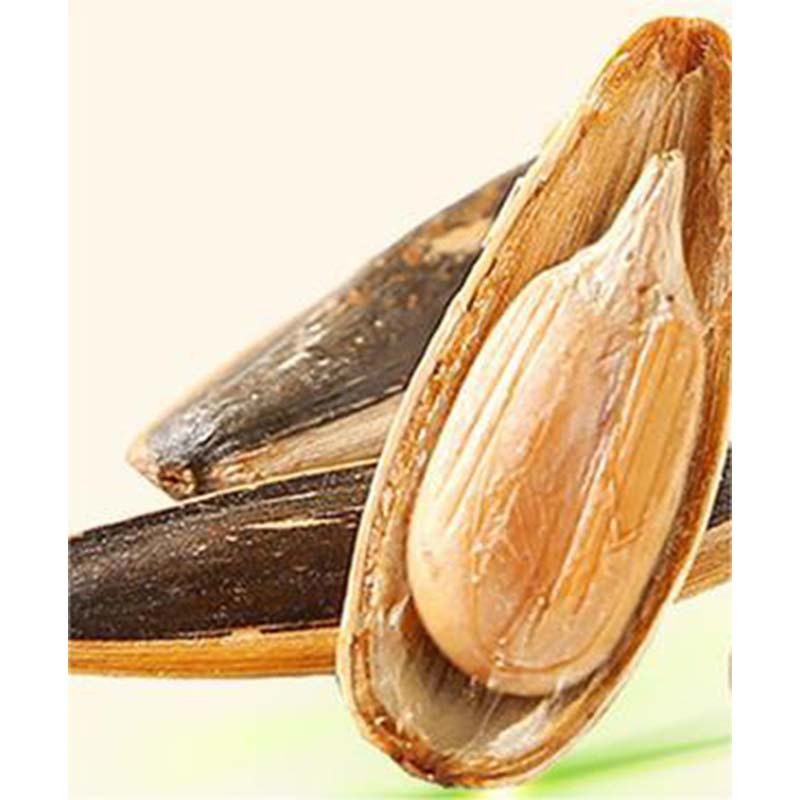
Sunflower seeds are primarily composed of lipid (oil) content, typically ranging from 40-65% depending on the variety. This oil is rich in linoleic acid, an essential fatty acid. The seed kernel also contains approximately 20-25% protein, primarily globulins and albumins, along with carbohydrates (10-20%) and fiber. The hull (pericarp), constituting 25-35% of the seed weight, provides physical protection and contributes to fiber content. Manufacturing begins with seed breeding and selection, focusing on traits like oil yield, disease resistance, and hull characteristics. Cultivation involves specific soil preparation, planting density, and irrigation strategies. Harvesting techniques (combine harvesting) require precise calibration to minimize seed damage and loss. Post-harvest processing includes cleaning (removal of debris), drying (to achieve optimal moisture content of 8-10%), dehulling (optional, depending on the end-use), and grading based on size and quality. Parameter control during drying is critical; excessive heat can denature proteins and reduce oil quality. The chemical composition is highly influenced by genotype, growing environment (sunlight, temperature, rainfall), and nutrient availability. Seed coat composition is primarily cellulose and lignin, providing structural integrity but also influencing dehulling efficiency.
Performance & Engineering
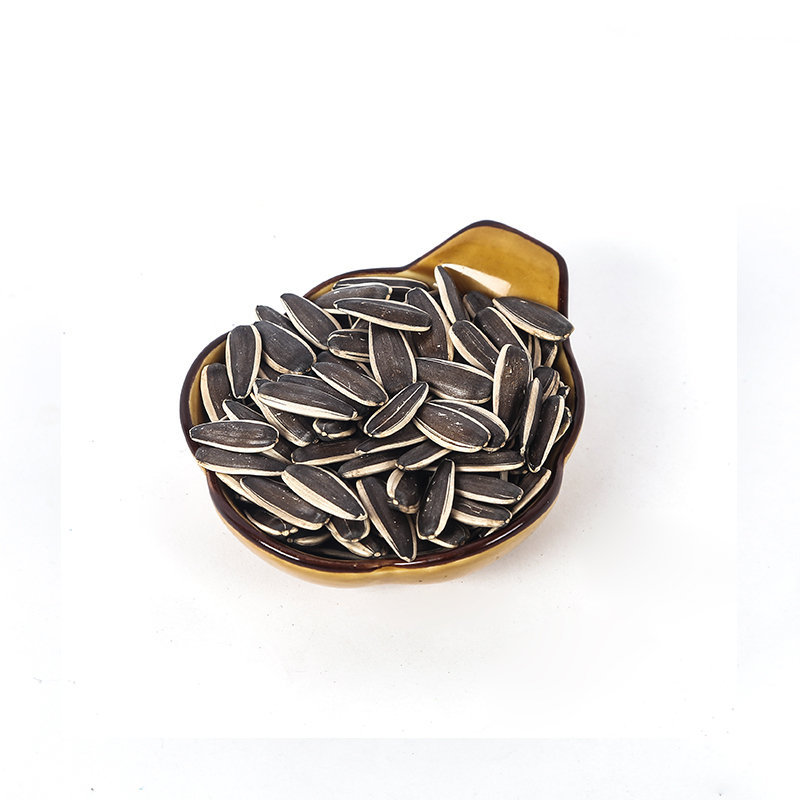
The performance of sunflower seeds, particularly for oil extraction, is directly related to kernel hardness and oil body distribution. Kernel hardness impacts the efficiency of mechanical pressing and solvent extraction. Oil bodies, discrete structures containing triglycerides, determine oil yield and quality. Seed size and shape also affect processing efficiency; uniform seed size facilitates consistent oil extraction rates. For seed-for-snack applications, shell strength (resistance to cracking during handling and consumption) and kernel fullness are critical. Environmental resistance during storage is paramount, with moisture content being a primary factor influencing shelf life. Excessive moisture promotes fungal growth and mycotoxin production. Engineering considerations include the design of storage facilities to control temperature and humidity, and the optimization of processing equipment to minimize kernel damage. Compliance requirements related to mycotoxin levels (aflatoxins, ochratoxin A) are stringent, necessitating regular testing and adherence to established limits. Force analysis applied during dehulling demonstrates the importance of shell tensile strength and controlled application of mechanical force to prevent kernel fracturing.
Technical Specifications
| Parameter | Unit | Typical Range (Oilseed Varieties) | Typical Range (Confectionery Varieties) |
|---|---|---|---|
| Oil Content (Dry Basis) | % | 42-58 | 38-48 |
| Protein Content (Dry Basis) | % | 18-26 | 20-28 |
| Hull Percentage | % | 28-35 | 20-30 |
| Moisture Content | % | 8-10 | 8-10 |
| Germination Rate | % | >85 | >90 |
| Kernel Hardness | N (Newtons) | 5-15 | 3-8 |
Failure Mode & Maintenance
Failure modes in original sunflower seeds can be categorized into pre-harvest, harvest, and post-harvest failures. Pre-harvest failures include genetic defects leading to low oil content, susceptibility to diseases (e.g., rust, downy mildew), and insect infestation. Harvest failures involve seed damage during combining (cracking, bruising) resulting in reduced oil yield and quality. Post-harvest failures are dominated by degradation due to improper storage. This includes lipid oxidation (rancidity) caused by exposure to oxygen, light, and heat; protein denaturation leading to reduced nutritional value; and fungal contamination resulting in mycotoxin production. Maintenance involves controlled storage environments (low temperature, low humidity, darkness) and regular monitoring of seed quality parameters (oil content, free fatty acid content, moisture content, mycotoxin levels). Preventative measures include proper seed drying, the use of appropriate storage containers (airtight, opaque), and the implementation of a first-in, first-out inventory management system. Fatigue cracking of the seed coat can occur during handling if seeds are subjected to repeated impacts. Microbial growth can lead to visible mold and off-odors, rendering the seeds unsuitable for consumption or oil extraction.
Industry FAQ
Q: What is the impact of varying linoleic acid content on the stability of sunflower oil extracted from these seeds?
A: Higher linoleic acid content, while desirable for nutritional benefits, contributes to reduced oxidative stability of the oil. This requires the addition of antioxidants during processing and careful control of storage conditions to prevent rancidity and maintain oil quality. Seed varieties with higher oleic acid content offer improved oxidative stability but may have different flavor profiles.
Q: How do different drying methods (sun drying vs. mechanical drying) affect the final oil quality and seed viability?
A: Sun drying, while cost-effective, can lead to uneven drying, increased susceptibility to fungal contamination, and potential protein denaturation due to prolonged exposure to high temperatures. Mechanical drying, with controlled temperature and airflow, generally yields higher quality seeds with better oil content and viability, but requires significant energy input.
Q: What are the critical control points for minimizing mycotoxin contamination in sunflower seeds?
A: Critical control points include pre-harvest disease management, proper harvesting timing (avoiding harvest during wet conditions), rapid and thorough seed drying, effective storage conditions (low moisture content, low temperature), and regular mycotoxin testing throughout the supply chain.
Q: How does hull percentage affect the efficiency of oil extraction and the quality of the resulting meal?
A: Higher hull percentage reduces the oil content per unit weight of seed and increases the energy required for dehulling and oil extraction. The resulting meal, a byproduct of oil extraction, also has lower protein content and digestibility. Varieties with lower hull percentages are generally preferred for oil production.
Q: What analytical methods are used to assess the quality of original sunflower seeds during procurement?
A: Common analytical methods include oil content determination (Soxhlet extraction), protein content determination (Kjeldahl method), moisture content determination (oven drying), germination rate assessment (standard germination tests), and mycotoxin analysis (HPLC or ELISA).
Conclusion
Original sunflower seeds are a complex biological material requiring meticulous attention to detail throughout the entire production chain, from breeding and cultivation to harvesting, processing, and storage. Maintaining optimal quality is essential for maximizing oil yield, ensuring food safety, and meeting the demands of downstream industries. Variations in genetic composition, environmental conditions, and post-harvest handling all contribute to the final seed quality, necessitating rigorous quality control measures.
Future advancements in sunflower seed technology will likely focus on developing varieties with improved oil quality (e.g., high oleic acid content), enhanced disease resistance, and reduced hull percentages. Continued research into optimal storage conditions and innovative processing techniques will be crucial for minimizing losses and maximizing the economic value of this important agricultural commodity. Sustainable agricultural practices will play an increasingly important role in ensuring the long-term viability of sunflower seed production.
