Introduction
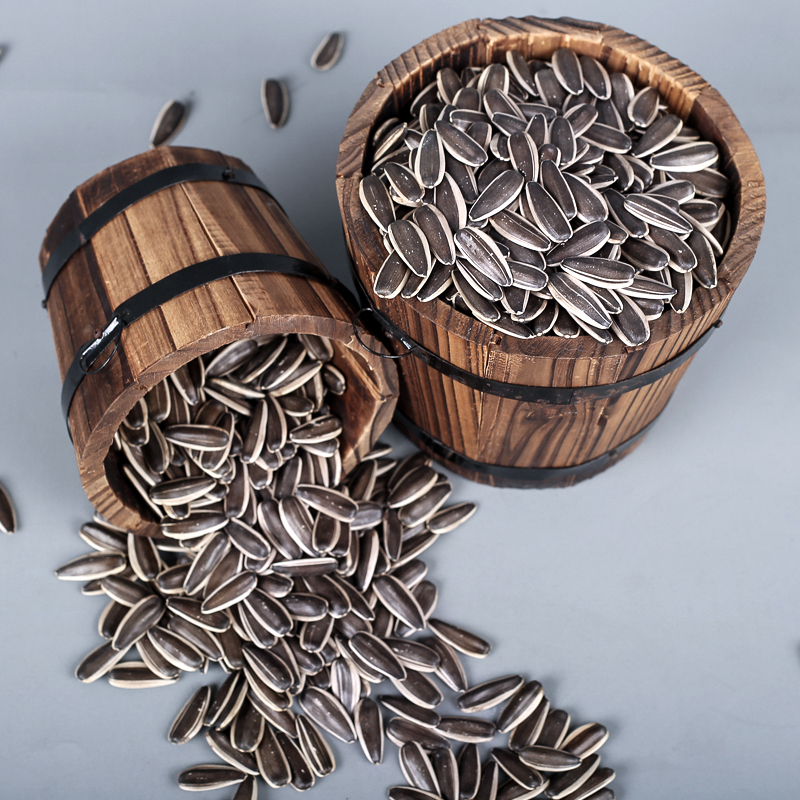
Organic sunflower seeds ( Helianthus annuus) represent a significant component of the global edible seed market and a growing segment within the organic food industry. Positioned within the agricultural supply chain as a high-value oilseed and direct consumption product, their quality is defined by factors including oil content, protein levels, fatty acid profile, and the absence of synthetic pesticides and fertilizers. This guide provides an in-depth technical overview of organic sunflower seed production, material science, performance characteristics, potential failure modes, and relevant industry standards. Core performance benchmarks revolve around germination rates, oil yield, protein content, and the maintenance of organic certification integrity throughout the production process. A key industry pain point centers on maintaining genetic purity and preventing contamination during harvesting, drying, and storage to meet stringent organic standards and consumer demands.
Material Science & Manufacturing
Sunflower seeds are composed primarily of oil (42-58%), protein (18-26%), carbohydrates (10-15%), and fiber (6-10%). The oil is rich in linoleic acid (a polyunsaturated omega-6 fatty acid) and oleic acid (a monounsaturated omega-9 fatty acid), contributing to its nutritional value. Seed coat composition includes cellulose, hemicellulose, and lignin providing structural integrity. Organic farming practices dictate the utilization of naturally derived soil amendments, such as compost and manure, impacting the mineral content of the seeds (e.g., magnesium, phosphorus, potassium). Manufacturing begins with seed selection and planting. Critical parameters during growth include soil temperature, moisture levels, and sunlight exposure. Harvesting typically occurs when the seed moisture content reaches 18-20%. Drying is a crucial step, typically employing forced-air drying to reduce moisture to 8-10% to inhibit fungal growth and enzymatic activity. Temperature control during drying is paramount; exceeding 45°C can degrade oil quality. Hulling separates the kernel from the hull, impacting the final product’s appearance and palatability. Optical sorting removes discolored or damaged seeds. Storage conditions—low temperature (below 10°C) and low humidity (below 65%)—are vital to prevent lipid oxidation and maintain seed viability. The genetic lineage of the sunflower variety (e.g., confectionary vs. oilseed) dramatically impacts the seed’s physical and chemical characteristics.
Performance & Engineering
Performance assessment of organic sunflower seeds relies heavily on several engineering principles. Shell strength, measured in Newtons (N), dictates the efficiency of hulling operations and the susceptibility to mechanical damage during handling. Kernel hardness, determined using compression testing, influences milling characteristics and oil extraction yield. The oil extraction process, typically employing mechanical pressing or solvent extraction (hexane being the common solvent, though organic certifications disallow synthetic solvents), is governed by Fick’s law of diffusion. The rate of oil diffusion is affected by temperature, particle size, and the solvent’s polarity. Environmental resistance primarily concerns the seeds’ ability to withstand temperature fluctuations and humidity variations without compromising germination rates or oil quality. The moisture sorption isotherm characterizes the relationship between seed moisture content and water activity, crucial for predicting stability during storage. Organic certification compliance demands adherence to strict standards regarding pesticide residues, heavy metal concentrations (lead, cadmium, arsenic), and genetically modified organism (GMO) exclusion. Force analysis during handling and processing highlights shear forces during hulling and compressive forces during oil extraction, dictating equipment design and operational parameters.
Technical Specifications
| Parameter | Unit | Typical Range (Organic) | Test Method |
|---|---|---|---|
| Oil Content (Dry Basis) | % | 48-58 | AOAC 989.19 |
| Protein Content (Dry Basis) | % | 20-28 | Kjeldahl Method (AOAC 978.05) |
| Moisture Content | % | 8-10 | Oven Drying Method (AOAC 925.10) |
| Kernel Hardness | N | 15-30 | Compression Testing (ASTM D698) |
| Germination Rate | % | >85 | ISTA Rules |
| Free Fatty Acid (FFA) | % as oleic acid | <0.5 | Titration Method (AOCS Cd 3-63) |
Failure Mode & Maintenance
Organic sunflower seeds are susceptible to several failure modes. Lipid oxidation, catalyzed by enzymes (lipoxygenase) and accelerated by heat, light, and oxygen, leads to rancidity and reduced nutritional value. This is evidenced by increased peroxide value and FFA content. Physical damage during harvesting or handling (cracking, chipping) compromises seed viability and increases susceptibility to insect infestation. Fungal contamination (e.g., Aspergillus flavus) produces mycotoxins (aflatoxins), rendering the seeds unsafe for consumption. Insect infestation (e.g., storage beetles) causes seed loss and degrades quality. Delamination of the kernel can occur due to improper drying or mechanical stress. Maintenance strategies focus on preventive measures. Proper drying techniques are critical. Regular monitoring of moisture content and temperature during storage is essential. Implementation of integrated pest management (IPM) strategies minimizes insect infestation. Storage facilities should be well-ventilated and protected from light. Periodic inspection for fungal growth and insect activity is required. Seed treatment with natural antifungal agents (e.g., essential oils) can provide additional protection. Proper cleaning and sanitation of processing equipment prevent cross-contamination and maintain product quality. The shelf life of organic sunflower seeds under optimal storage conditions is typically 12-18 months.
Industry FAQ
Q: What is the impact of different sunflower varieties on oil quality and stability?
A: Different sunflower varieties exhibit varying fatty acid profiles. High oleic varieties, containing >70% oleic acid, demonstrate superior oxidative stability compared to linoleic varieties (containing >60% linoleic acid). High oleic oil has a longer shelf life and is less prone to rancidity, making it preferable for food applications. The genetic makeup dictates the seed’s response to processing conditions and its overall stability.
Q: How does organic certification impact the allowable treatments for pest control during storage?
A: Organic certification prohibits the use of synthetic pesticides and fumigants for pest control. Acceptable methods include physical barriers (sealed storage containers), controlled atmosphere storage (reducing oxygen levels), diatomaceous earth, and botanical insecticides (e.g., neem oil). Thorough cleaning and sanitation of storage facilities are also crucial.
Q: What are the key differences between mechanical pressing and solvent extraction in terms of oil yield and quality?
A: Mechanical pressing generally yields lower oil extraction rates (around 80-85%) compared to solvent extraction (95-99%). However, mechanically pressed oil retains more of its natural antioxidants and flavor compounds. Solvent extraction, while more efficient, requires careful removal of residual solvent to meet food safety standards.
Q: How does moisture content affect the storage life of organic sunflower seeds and what are the optimal storage conditions?
A: Moisture content is a critical factor influencing storage life. High moisture content promotes fungal growth and enzymatic activity, leading to spoilage. Optimal storage conditions are low temperature (below 10°C), low humidity (below 65%), and adequate ventilation. Seeds should be stored in airtight containers to prevent moisture absorption.
Q: What analytical methods are used to verify the organic integrity of sunflower seeds and ensure the absence of prohibited substances?
A: Analytical methods used to verify organic integrity include residue analysis for prohibited pesticides (using GC-MS/MS or LC-MS/MS), heavy metal analysis (using ICP-MS), and PCR-based testing to detect GMOs. Isotopic analysis (carbon-14 dating) can be employed to verify the absence of synthetic inputs.
Conclusion
Organic sunflower seed production presents a complex interplay of biological, chemical, and engineering considerations. Maintaining product quality requires meticulous attention to detail throughout the entire supply chain, from seed selection and cultivation to harvesting, drying, storage, and processing. The stringent requirements of organic certification necessitate a focus on sustainable agricultural practices and the avoidance of synthetic inputs.
Future advancements in sunflower breeding programs will likely focus on developing varieties with enhanced oil quality, increased yield, and improved resistance to pests and diseases. Further research into innovative storage technologies, such as modified atmosphere packaging and controlled humidity storage, will contribute to extending shelf life and minimizing post-harvest losses. Continued development and validation of rapid and reliable analytical methods for verifying organic integrity are also essential.
