Introduction
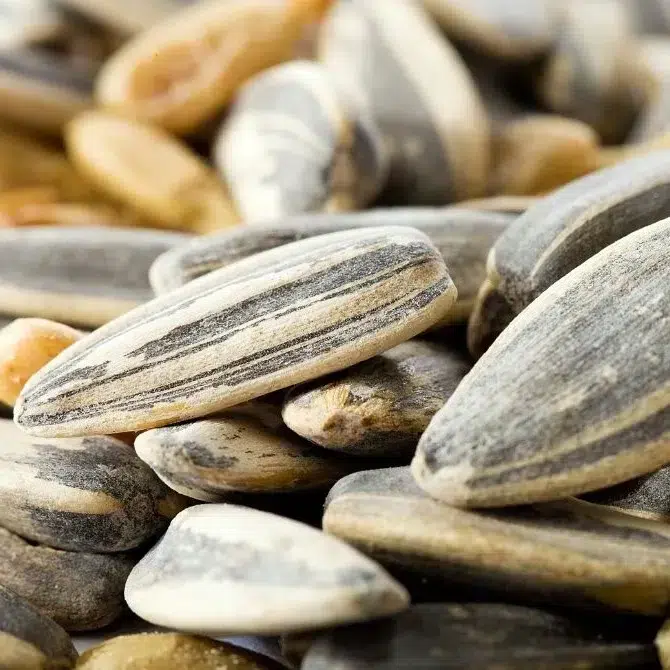
Organic sunflower seeds in shell ( Helianthus annuus) represent a significant commodity within the agricultural and food processing industries. Positioned as a natural snack food, a feedstock for oil extraction, and a component in animal nutrition, their quality is dictated by genetic factors, cultivation practices, post-harvest handling, and storage conditions. This guide provides a comprehensive technical overview of organic sunflower seeds in shell, encompassing material science, manufacturing processes, performance characteristics, potential failure modes, and relevant industry standards. A core industry pain point revolves around maintaining consistent kernel quality within the shell, minimizing shell damage during processing, and ensuring compliance with increasingly stringent organic certification requirements. The performance is primarily defined by oil content, protein content, moisture content, and the absence of contaminants, impacting both consumer acceptability and industrial processing efficiency.
Material Science & Manufacturing
The sunflower seed, botanically an achene, comprises three primary components: the kernel (seed), the hull (shell), and the embryo. The kernel’s composition is approximately 40-55% oil, 20-30% protein, 10-20% carbohydrates (primarily fiber), and 5-10% moisture. The oil is rich in linoleic acid, an omega-6 fatty acid. The hull is largely composed of cellulose, hemicellulose, and lignin, providing structural integrity. Organic certification dictates the avoidance of synthetic pesticides, herbicides, and fertilizers during cultivation. Manufacturing begins with planting certified organic sunflower seeds. Harvesting typically occurs when the seed moisture content reaches approximately 18-20%. Mechanical harvesting utilizes combines equipped with modified headers to minimize seed damage. Post-harvest processing involves cleaning (removal of stems, leaves, and debris), drying (to reduce moisture content to 8-10% for storage stability – employing forced-air drying systems with temperature control to prevent protein denaturation), dehulling (optional, depending on end-use; utilizing mechanical friction or impact dehullers), sizing (grading seeds based on diameter), and packaging. Critical parameters during drying include airflow rate, temperature, and duration. Incomplete drying leads to fungal growth and mycotoxin production, while excessive heat damages oil quality. Hull strength is influenced by genetic variety, maturity stage at harvest, and drying rate. Rapid drying can induce cracking.
Performance & Engineering
The performance of sunflower seeds in shell is evaluated based on several key engineering parameters. Shell strength (measured in Newtons using a compression tester) dictates its ability to withstand handling and processing stresses. Kernel oil content is determined via Soxhlet extraction or NMR spectroscopy, expressed as a percentage of dry weight. Kernel moisture content, a critical factor influencing storage life, is assessed using a moisture analyzer (Karl Fischer titration is a common method). Hulling percentage, representing the proportion of kernels successfully removed from the hull, reflects processing efficiency. Contaminant levels (e.g., mycotoxins – aflatoxins, ochratoxins – measured via HPLC or ELISA) must meet stringent regulatory limits. Environmental resistance focuses on storage stability – maintaining oil quality and preventing rancidity. Oxygen transmission rate (OTR) through packaging materials influences oxidative degradation of the oil. Temperature control during storage (ideally below 15°C) minimizes lipid peroxidation. Compliance with organic standards (USDA Organic, EU Organic Regulation) requires traceability throughout the supply chain, verification of organic farming practices, and adherence to permitted processing aids. Force analysis during dehulling determines optimal impact energy and surface friction to maximize kernel recovery and minimize damage.
Technical Specifications
| Parameter | Unit | Typical Range (Organic Varieties) | Test Method |
|---|---|---|---|
| Oil Content (Kernel) | % (Dry Weight Basis) | 48-58% | Soxhlet Extraction (AOCS Official Method) |
| Protein Content (Kernel) | % (Dry Weight Basis) | 20-28% | Kjeldahl Method (AOCS Official Method) |
| Moisture Content (Kernel) | % | 8-10% | Moisture Analyzer (Karl Fischer Titration) |
| Hull Strength (Compression) | N | 150-300 | Universal Testing Machine (ASTM D695) |
| Aflatoxin B1 | ppb | <20 | HPLC-Fluorescence (AOAC Official Method) |
| Kernel Size (Diameter) | mm | 8-12 | Sieve Analysis (ASTM E11) |
Failure Mode & Maintenance
Sunflower seeds in shell are susceptible to several failure modes. Kernel cracking during harvesting or processing reduces market value and increases oil loss. This is often due to impact forces exceeding shell strength. Hull cracking facilitates insect infestation and moisture absorption. Lipid peroxidation leads to rancidity, evidenced by off-flavors and odors, and reduces nutritional value. This is accelerated by exposure to oxygen, light, and high temperatures. Mycotoxin contamination, particularly by Aspergillus species, poses a health hazard and can result in rejection of the entire batch. Insect damage (e.g., by storage beetles) causes direct seed loss and can introduce contaminants. Maintenance involves proper storage conditions (cool, dry, dark environment), regular monitoring for insect activity and mycotoxin levels, and adherence to strict cleaning protocols during processing. Preventative measures include optimizing harvest timing, controlling drying rates, using appropriate packaging materials (low OTR), and implementing a robust pest management program. Regular inspection for shell cracks and kernel damage is essential for quality control. For large-scale storage, aeration systems are critical to maintain uniform temperature and moisture content, preventing condensation and fungal growth.
Industry FAQ
Q: What is the impact of different sunflower varieties on hull strength and oil content?
A: Different sunflower varieties exhibit significant variation in hull strength and oil content. High-oleic varieties generally have a slightly lower hull strength but a higher oil content, making them preferable for oil extraction. Confectionary varieties are specifically bred for larger kernel size and thinner hulls for easier shelling, but oil content may be somewhat lower. Hybrid vigor plays a role, with hybrid varieties often demonstrating improved yield and uniformity compared to open-pollinated varieties. Selecting the appropriate variety is crucial for optimizing processing efficiency and end-product quality.
Q: How does the drying process affect the long-term storage stability of organic sunflower seeds?
A: The drying process is arguably the most critical step influencing long-term storage stability. Inadequate drying leads to elevated moisture content, promoting fungal growth and mycotoxin production. Excessive drying or high-temperature drying can damage proteins and lipids, reducing oil quality and seed viability. The ideal drying process involves a controlled temperature ramp (generally not exceeding 45°C) and adequate airflow to ensure uniform moisture reduction without compromising kernel integrity. Monitoring moisture content throughout the drying process is essential.
Q: What packaging materials are recommended for maintaining organic certification and preventing oil oxidation?
A: Packaging materials must comply with organic certification standards – avoiding materials treated with prohibited substances. For optimal oil preservation, packaging with low oxygen transmission rates (OTR) and moisture vapor transmission rates (WVTR) is recommended. Multi-layer films incorporating aluminum foil or metallized polyester are effective barriers. Vacuum packaging or modified atmosphere packaging (MAP) with nitrogen flushing further reduces oxidation. Packaging should also protect against light exposure, as UV radiation accelerates lipid peroxidation.
Q: What are the critical control points for mycotoxin contamination in organic sunflower seed production?
A: Critical control points for mycotoxin contamination include pre-harvest monitoring for insect damage (which provides entry points for Aspergillus), proper harvesting timing (avoiding prolonged exposure to humid conditions), rapid and thorough drying, effective storage pest management, and regular testing for aflatoxins and other mycotoxins throughout the supply chain. Implementing Good Agricultural Practices (GAP) and Good Storage Practices (GSP) is essential.
Q: What are the typical tolerances for foreign material and damaged kernels in organic sunflower seeds destined for human consumption?
A: Tolerances for foreign material (e.g., stems, leaves, stones) and damaged kernels (cracked, broken, discolored) vary depending on customer specifications and regulatory requirements. Generally, a maximum of 1-2% foreign material and 2-5% damaged kernels is acceptable for human consumption grade seeds. Organic standards may impose stricter limits, particularly regarding non-organic contaminants.
Conclusion
Organic sunflower seeds in shell represent a complex agricultural product requiring meticulous attention to detail throughout the entire production chain. Maintaining kernel quality, minimizing processing damage, and ensuring compliance with organic standards are paramount. Understanding the material science principles governing seed composition and the engineering parameters influencing performance are crucial for optimizing processing efficiency and achieving a high-quality end product.
Future research and development efforts should focus on breeding sunflower varieties with improved hull strength, enhanced oil stability, and increased resistance to mycotoxin contamination. Continued advancements in drying technology and packaging materials will further enhance storage life and preserve the nutritional value of these valuable seeds. The increasing demand for organic and sustainably produced food products ensures a continued and growing importance for this commodity.
