Introduction
Organic black sunflower seeds ( Helianthus annuus) represent a specialized cultivar within the broader sunflower seed category, distinguished by their dark pigmentation and adherence to organic agricultural practices. Technically positioned as a high-value oilseed and edible nut, these seeds are critical components in the human food supply, animal feed production, and increasingly, as a source of bio-based materials. Core performance attributes center around oil content (typically 48-52% linoleic acid), protein content (20-25%), and the presence of bioactive compounds like Vitamin E and phenolic acids. The industry faces key pain points regarding consistent quality assurance across varied organic farming conditions, maintaining low levels of mycotoxins (specifically aflatoxins), and optimizing shelling efficiency without compromising seed integrity. This guide provides an in-depth technical assessment of organic black sunflower seed production, properties, and performance characteristics, geared towards B2B stakeholders including processors, food manufacturers, and quality control specialists.
Material Science & Manufacturing
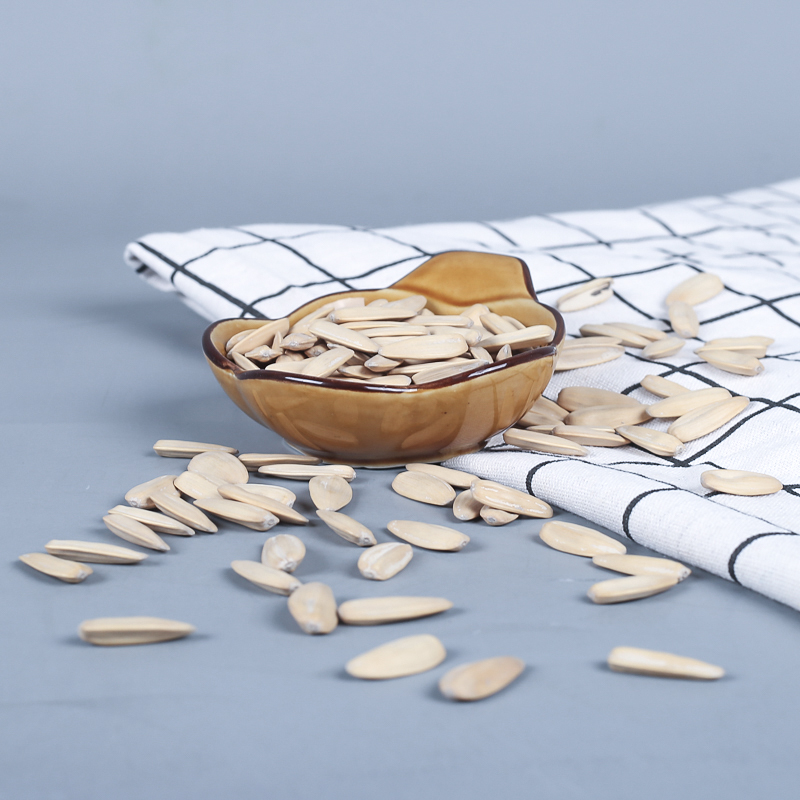
The primary raw material, the black sunflower seed, is composed of a hull (pericarp), kernel (cotyledon), and embryo. The hull consists largely of cellulose, hemicellulose, and lignin, providing structural integrity. The kernel is rich in lipids, proteins, and carbohydrates. The black pigmentation originates from anthocyanins concentrated in the seed coat. Organic certification mandates the use of non-GMO seeds and prohibits synthetic pesticides and fertilizers. Manufacturing begins with field cultivation, emphasizing soil health and crop rotation. Harvesting occurs when seed moisture content reaches 12-14% to minimize fungal growth. Drying is crucial, typically employing forced-air systems maintaining temperatures below 45°C to preserve oil quality and prevent protein denaturation. De-hulling, a key processing step, must be carefully controlled to avoid kernel damage. Mechanical dehulling systems employ impact and friction, requiring precise calibration of impeller speed and gap settings. Seed grading is performed based on size, shape, and color, utilizing optical sorting technology. Oil extraction is commonly achieved via mechanical pressing (cold-pressed for premium quality) or solvent extraction (using hexane, requiring stringent residue control). Parameter control includes monitoring seed moisture content throughout the drying process, adjusting dehulling parameters based on seed variety and maturity, and maintaining optimal temperature and pressure during oil extraction. Chemical compatibility considerations include avoiding contact with reactive metals (e.g., iron) that can catalyze oxidation of unsaturated fatty acids.
Performance & Engineering
Performance evaluation of organic black sunflower seeds extends beyond nutritional value to encompass processing characteristics and shelf life. Force analysis during dehulling highlights the need for optimized impact forces to maximize kernel recovery while minimizing damage. The hull’s tensile strength is dependent on moisture content; drier hulls are more brittle. Environmental resistance is critical, particularly regarding moisture and temperature fluctuations during storage. High humidity promotes mold growth and aflatoxin production. Temperature variations can accelerate lipid oxidation, leading to rancidity. Compliance requirements are dictated by organic certification standards (e.g., USDA Organic, EU Organic) and food safety regulations (e.g., FDA, EFSA). Functional implementation includes determining appropriate storage conditions (temperature <15°C, humidity <65%), optimizing processing parameters for oil extraction, and formulating food products with desired sensory attributes. The oil's viscosity and oxidative stability influence its suitability for various applications (e.g., culinary oil, biofuel feedstock). A key engineering challenge lies in scaling up organic production to meet growing demand while maintaining stringent quality standards and minimizing environmental impact. Shelf life is a function of packaging (barrier properties against oxygen and moisture) and storage conditions, typically ranging from 12-18 months.
Technical Specifications
| Parameter | Unit | Typical Value | Test Method |
|---|---|---|---|
| Oil Content (Dry Basis) | % | 48-52 | AOAC Official Method 989.19 |
| Protein Content (Dry Basis) | % | 20-25 | Kjeldahl Method (AOAC Official Method 978.05) |
| Moisture Content | % | <10 | AOAC Official Method 925.10 |
| Kernel Hardness | N | 50-80 | Texture Analyzer (Compression Test) |
| Aflatoxin B1 | ppb | <20 | HPLC-FLD (AOAC Official Method 2000.09) |
| Peroxide Value | meq O2/kg | <10 | AOAC Official Method 965.33 |
Failure Mode & Maintenance
Common failure modes in organic black sunflower seeds include cracking during dehulling (resulting in kernel loss), rancidity due to lipid oxidation (leading to off-flavors and reduced nutritional value), and mycotoxin contamination (primarily aflatoxins, rendering the seeds unsafe for consumption). Fatigue cracking of the hull can occur during mechanical handling, particularly with excessive impact forces. Delamination of the kernel from the hull can happen if drying is too rapid or uneven. Degradation of oil quality is accelerated by exposure to light, heat, and oxygen. Oxidation is initiated by free radicals, leading to the formation of hydroperoxides and subsequent breakdown products. Maintenance strategies encompass careful control of processing parameters, particularly during drying and dehulling. Storage facilities must be clean, dry, and well-ventilated, with temperature and humidity meticulously monitored. Regular testing for aflatoxins and peroxide value is essential. Antioxidants (e.g., Vitamin E) can be added during processing to inhibit lipid oxidation. Implement a robust pest control program to prevent insect infestations, which can contribute to mycotoxin contamination. Proper cleaning of processing equipment prevents cross-contamination. Implementing a preventative maintenance schedule for dehulling equipment reduces mechanical failures and ensures optimal performance.
Industry FAQ
Q: What are the key differences in processing organic versus conventional sunflower seeds?
A: The primary difference lies in the absence of synthetic pesticides, herbicides, and fertilizers used in organic production. This necessitates more stringent weed and pest management strategies. Organic processing also prohibits the use of synthetic solvents and additives, demanding alternative extraction and preservation techniques. Organic certification requires traceability throughout the supply chain and adherence to strict cleaning protocols to prevent cross-contamination.
Q: How can we minimize aflatoxin contamination in organic sunflower seeds?
A: Minimizing aflatoxin contamination requires a multi-faceted approach. This includes using disease-resistant seed varieties, implementing proper crop rotation, ensuring timely harvesting at optimal moisture levels, employing effective drying techniques, maintaining clean storage facilities, and regularly testing for aflatoxin levels. Good agricultural practices are paramount in preventing fungal growth.
Q: What is the impact of cold-pressing versus solvent extraction on oil quality?
A: Cold-pressing preserves more of the natural antioxidants and bioactive compounds present in the seeds, resulting in a higher-quality oil with superior flavor and nutritional value. However, cold-pressing typically yields a lower oil extraction rate compared to solvent extraction. Solvent extraction, while more efficient, may leave residual solvent traces and can degrade heat-sensitive compounds.
Q: How does moisture content affect the shelf life of sunflower seeds?
A: Higher moisture content accelerates enzymatic activity and promotes microbial growth, leading to reduced shelf life and potential spoilage. Maintaining a low moisture content (<10%) is crucial for long-term storage. Proper drying and packaging with moisture-barrier properties are essential.
Q: What are the typical storage recommendations for organic black sunflower seeds?
A: Organic black sunflower seeds should be stored in a cool, dry, and well-ventilated environment, protected from direct sunlight. Optimal storage conditions are a temperature below 15°C (59°F) and a relative humidity below 65%. Packaging should be airtight and provide a barrier against oxygen and moisture.
Conclusion
Organic black sunflower seeds represent a specialized and increasingly important segment of the oilseed market. Their inherent nutritional value, combined with the demands of organic agriculture, necessitate a rigorous understanding of material science, manufacturing processes, and quality control measures. Maintaining consistent quality, minimizing mycotoxin contamination, and optimizing processing efficiency are critical challenges for industry stakeholders.
Future advancements will likely focus on developing improved seed varieties with enhanced resistance to pests and diseases, refining dehulling technologies to minimize kernel damage, and implementing innovative storage solutions to extend shelf life. Continued research into the bioactive compounds present in black sunflower seeds promises to unlock further health benefits and expand their applications in functional foods and nutraceuticals.
