Introduction
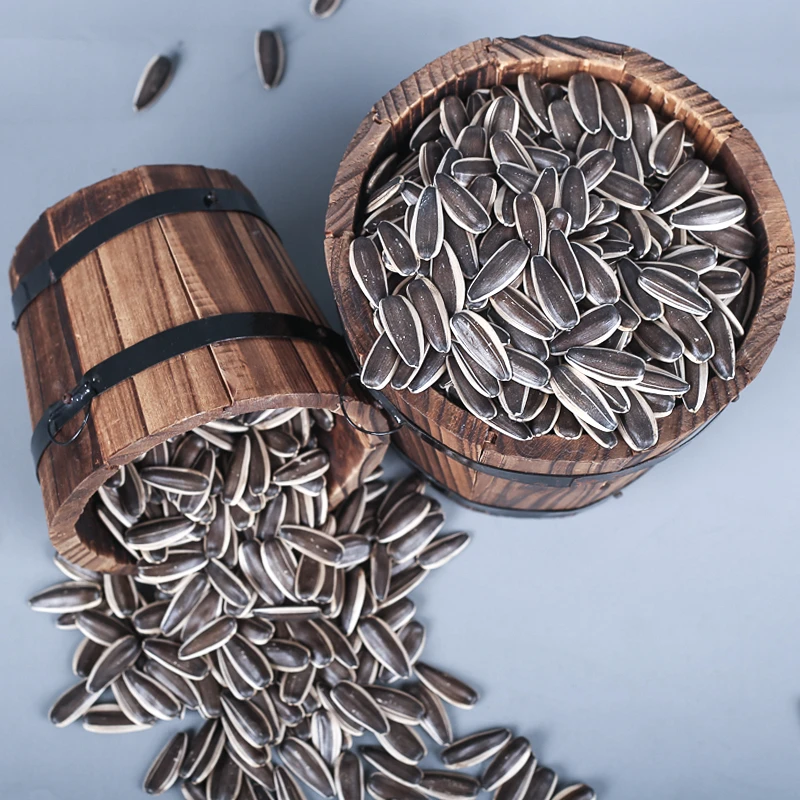
Organic black oil sunflower seeds ( Helianthus annuus) represent a specialized cultivar within the sunflower family, primarily cultivated for their high oil content and use in animal feed, birdseed, and increasingly, human consumption. Distinguished by their small seed size and dark hull pigmentation, these seeds occupy a crucial position in the agricultural supply chain, bridging crop production with industries like poultry farming, biofuel production, and specialized food markets. The defining characteristic of black oil sunflower seeds is their linoleic acid profile, typically ranging from 60-75%, which imparts beneficial nutritional properties. Their technical significance stems from consistent oil yield, predictable germination rates, and the growing demand for organically produced agricultural inputs. This guide will explore the material science, manufacturing processes, performance characteristics, failure modes, and industry standards associated with organic black oil sunflower seeds, providing a comprehensive technical overview for B2B stakeholders.
Material Science & Manufacturing
The raw material, the organic black oil sunflower seed, is comprised of several key components: the hull (approximately 20-30% of seed weight), the kernel (50-60%), and the embryo (10-15%). The hull, rich in cellulose and lignin, provides physical protection. The kernel is primarily composed of lipids (40-50%), proteins (18-25%), carbohydrates (10-15%), and trace minerals. Lipid composition is dominated by linoleic acid (omega-6) but also includes oleic acid (omega-9) and palmitic acid. Manufacturing begins with seed selection, emphasizing certified organic cultivation practices free from synthetic pesticides and fertilizers. Harvesting typically occurs when seed moisture content reaches 18-20%. Drying is critical, reducing moisture to 9-10% to prevent fungal growth and maintain viability. This often employs forced-air drying systems with precise temperature control (typically below 40°C to preserve oil quality). De-hulling is then performed mechanically, separating the kernel from the hull. Parameter control during de-hulling is crucial to minimize kernel damage, monitored by kernel breakage rates. Grading and sorting remove foreign material and broken kernels, ensuring seed purity. Organic certification requires traceability throughout this process, including documented adherence to organic standards at each stage. Further processing may include oil extraction (cold-pressing or solvent extraction), though this guide focuses on the seed itself as a raw material.
Performance & Engineering
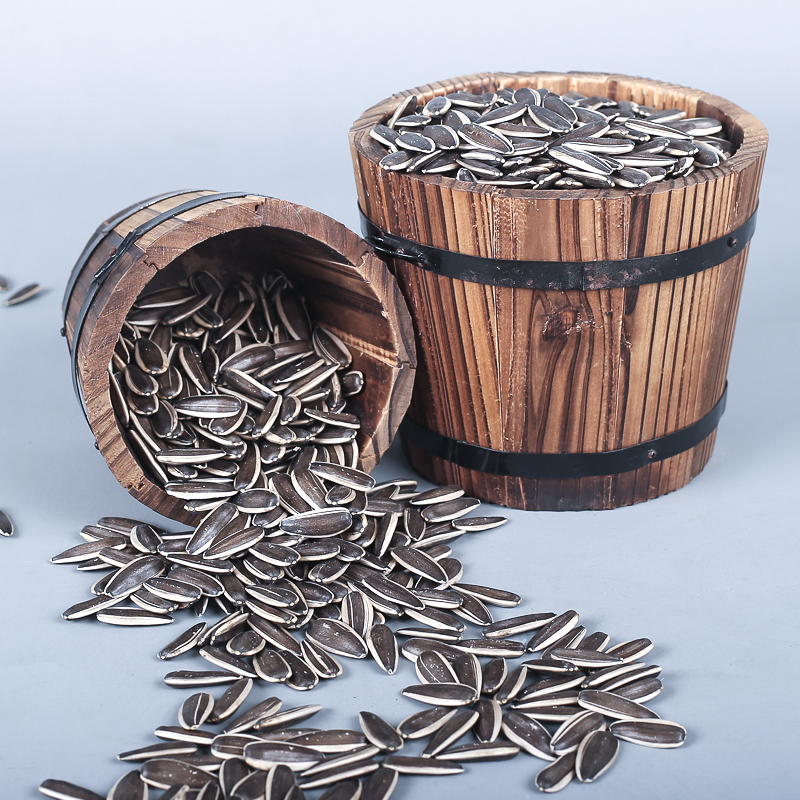
The performance of organic black oil sunflower seeds is primarily dictated by their oil yield, germination rate, and chemical composition. Oil yield, typically 40-50% by weight, is a key economic driver. Germination rate, crucial for replanting, is influenced by seed viability, stored moisture content, and handling practices. Environmental resistance considerations include susceptibility to fungal pathogens during storage ( Aspergillus flavus being a primary concern, producing aflatoxins) and insect infestation. Engineering aspects involve storage facility design to maintain optimal temperature and humidity control. Compliance requirements are stringent, demanding adherence to organic certification standards (e.g., USDA Organic, EU Organic Regulation) which dictate permissible handling procedures and prohibit the use of genetically modified organisms (GMOs). Force analysis relates to the seed’s resistance to cracking during handling and processing; higher hull strength correlates with reduced kernel damage. The chemical stability of the oil, specifically its resistance to oxidation (measured by peroxide value), is critical for long-term storage and determines its suitability for various applications. The seeds also exhibit a characteristic hardness, quantifiable through compression testing, impacting milling and cracking efficiencies.
Technical Specifications
| Parameter | Units | Typical Value | Testing Method |
|---|---|---|---|
| Oil Content | % (Dry Weight Basis) | 42-48% | AOAC Official Method 920.39 |
| Moisture Content | % | 9-10% | AOAC Official Method 925.10 |
| Germination Rate | % | 85-95% | ISTA Procedure 7 |
| Linoleic Acid Content | % of Total Fatty Acids | 60-70% | Gas Chromatography (GC-FID) |
| Hull Percentage | % (By Weight) | 20-30% | Seed Component Analysis |
| Aflatoxin Levels | ppb | < 20 ppb | ELISA or HPLC |
Failure Mode & Maintenance
Organic black oil sunflower seeds are susceptible to several failure modes. A primary concern is fungal contamination, specifically by Aspergillus species, leading to aflatoxin production. This is exacerbated by improper drying or storage conditions. Failure manifests as visible mold growth and reduced seed quality. Another common issue is insect infestation, causing seed damage and reducing viability. Physical damage during harvesting, de-hulling, or handling results in kernel breakage, lowering overall yield and potentially increasing susceptibility to contamination. Lipid oxidation, leading to rancidity, occurs during prolonged storage, especially in the presence of oxygen and elevated temperatures. Maintenance strategies involve meticulous drying to reduce moisture content, controlled atmosphere storage (low temperature and humidity), regular inspection for insect pests and fungal growth, and adherence to strict sanitation protocols. Use of organic-approved pest control measures (e.g., diatomaceous earth) is crucial. First-in, first-out (FIFO) inventory management minimizes storage time. Failure analysis should include microscopic examination for fungal structures, chemical analysis for aflatoxin levels, and oil quality assessment (peroxide value).
Industry FAQ
Q: What is the impact of varying linoleic acid content on the final product quality for poultry feed applications?
A: Linoleic acid is an essential fatty acid for poultry, critical for growth, feather development, and egg production. Variations in linoleic acid content directly impact feed conversion ratios and the nutritional value of the poultry products. Lower linoleic acid content may necessitate supplementation with other oil sources to meet nutritional requirements, increasing costs. Consistent linoleic acid levels, as specified in the technical specifications, ensure predictable feed performance and product quality.
Q: How does organic certification impact the allowable methods for pest control during storage?
A: Organic certification prohibits the use of synthetic pesticides and fumigants. Acceptable pest control methods are limited to preventative measures like physical barriers, temperature control, and humidity management. Approved organic treatments include diatomaceous earth, insecticidal soaps, and biological control agents. Documentation of all pest control activities is essential for maintaining organic certification.
Q: What are the key differences in storage requirements between conventional and organic black oil sunflower seeds?
A: While both require similar storage principles (low temperature, low humidity, good ventilation), organic seeds demand more stringent control to prevent fungal contamination and insect infestation due to the prohibition of synthetic treatments. More frequent monitoring is necessary, and storage facilities must be meticulously cleaned and sanitized without the use of harsh chemicals.
Q: What analytical methods are recommended for verifying the absence of genetically modified organisms (GMOs)?
A: Polymerase Chain Reaction (PCR) testing is the industry standard for detecting GMOs in organic black oil sunflower seeds. This method identifies specific DNA sequences associated with genetically modified organisms. Testing must be conducted by an accredited laboratory to ensure the validity of the results.
Q: How does seed moisture content influence the shelf life and susceptibility to aflatoxin contamination?
A: Seed moisture content is the single most important factor influencing shelf life. Higher moisture content promotes fungal growth, particularly Aspergillus flavus, leading to aflatoxin production. Maintaining moisture content below 9-10% is crucial. Regular monitoring of moisture content during storage is recommended, and any increase should be addressed promptly with appropriate drying or ventilation.
Conclusion
Organic black oil sunflower seeds represent a vital agricultural commodity, demanding precise control throughout the entire value chain, from organic cultivation to storage and processing. The technical performance of these seeds – encompassing oil yield, germination rate, and chemical composition – is inextricably linked to the adherence of stringent quality control measures and internationally recognized organic standards. Understanding the material science underlying seed composition and the potential failure modes associated with storage is critical for maintaining product integrity and maximizing economic value.
Future developments in this sector are likely to focus on optimizing drying technologies to minimize oil oxidation, enhancing storage solutions to prevent fungal contamination without synthetic treatments, and refining analytical methods for rapid and accurate detection of GMOs and mycotoxins. Continued research into breeding programs geared towards increasing oil content and improving resistance to disease will further solidify the role of organic black oil sunflower seeds in a growing market for sustainable and nutritious agricultural products.
