Introduction
Organic bitter melon seeds ( Momordica charantia ) represent a critical component of horticultural and agricultural practices globally. Positioned within the cucurbit family, these seeds are not merely propagative material but also a source of nutritional value and bioactive compounds. This technical guide provides an in-depth examination of their material science, manufacturing (seed production and processing), performance characteristics, potential failure modes, and relevant industry standards. The primary challenges in utilizing these seeds relate to maintaining genetic purity, ensuring high germination rates, and mitigating seed-borne diseases. Successful cultivation and yield hinge on understanding these critical aspects and implementing appropriate quality control measures throughout the entire production chain. Organic certification further complicates the process, demanding adherence to stringent guidelines regarding pesticide and fertilizer usage, and seed sourcing.
Material Science & Manufacturing
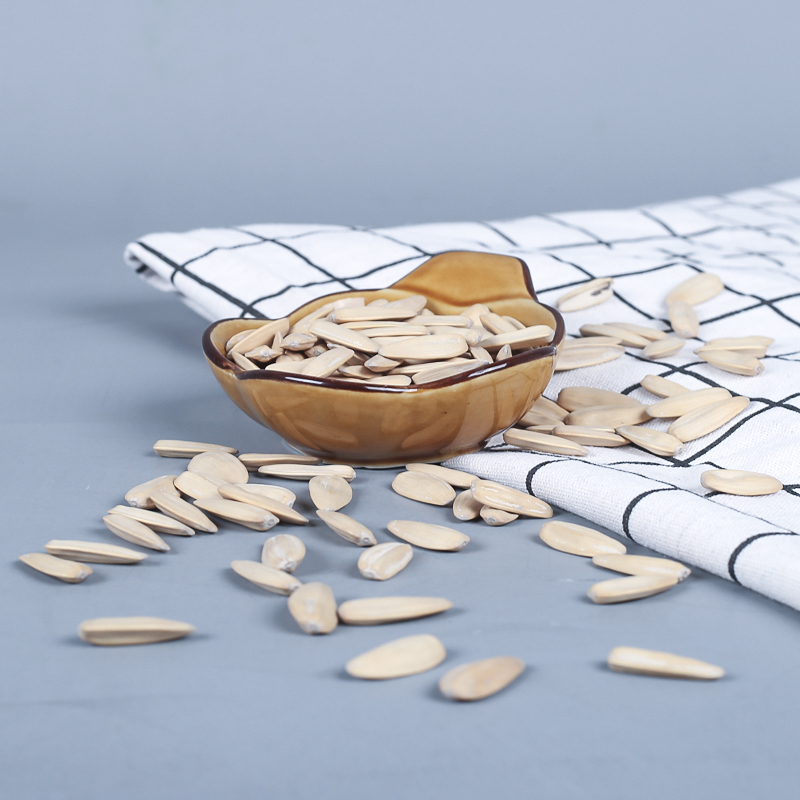
The organic bitter melon seed is comprised of three primary components: the embryo, the endosperm (nutrient reserve), and the seed coat (testa). The testa, approximately 20-30% of the seed’s total weight, consists primarily of cellulose, hemicellulose, and lignin, providing physical protection. The embryo contains proteins, carbohydrates, and lipids vital for germination and seedling development. The endosperm, constituting the bulk of the seed, is rich in starch, oils (primarily linoleic and oleic acid), and proteins. The oil content, typically ranging from 30-45%, is crucial for energy storage during germination. Manufacturing begins with controlled pollination to maintain genetic integrity within organic farming systems. Harvesting occurs at physiological maturity, indicated by fruit color change and rind hardness. Post-harvest, seeds undergo cleaning (removal of pulp and debris), drying (typically to 7-8% moisture content, utilizing air drying or controlled temperature drying), and grading (based on size and weight) to ensure uniformity. Key parameters during drying include temperature (not exceeding 40°C to prevent protein denaturation) and air velocity. Seed viability is highly sensitive to moisture content, with excessive moisture leading to fungal growth and reduced germination. Organic certification dictates the use of non-GMO seed sources and prohibits chemical seed treatments, increasing the risk of seed-borne pathogens and requiring robust sanitation protocols during processing.
Performance & Engineering
The performance of organic bitter melon seeds is principally defined by germination rate, seedling vigor, and genetic stability. Germination rate, often exceeding 85% under optimal conditions (25-30°C temperature, 80-90% relative humidity, and adequate moisture), is crucial for establishing a successful crop. Seedling vigor, assessed by root and shoot length, reflects the seed's ability to provide sufficient resources for initial growth. Genetic stability, particularly in open-pollinated varieties, is maintained through careful selection of mother plants and adherence to organic seed saving practices. Engineering considerations revolve around seed storage longevity. Seed viability declines over time, following an Arrhenius-type relationship with temperature. Therefore, low-temperature, low-humidity storage (5-10°C and 50-60% relative humidity) is essential for preserving seed quality. Packaging materials must provide a moisture barrier and protect against physical damage. Furthermore, the seed’s response to different soil salinity levels and its resistance to common fungal pathogens ( Fusarium oxysporum, Phytophthora capsici ) are vital performance parameters. Compliance with organic standards necessitates utilizing seed treatments permitted under organic agriculture guidelines, such as biological control agents, rather than synthetic fungicides.
Technical Specifications
| Parameter | Unit | Specification (Organic Standard) | Typical Range (Commercial Grade) |
|---|---|---|---|
| Germination Rate | % | ≥ 85% (after 7 days) | 75-90% |
| Moisture Content | % | 7-8% | 6-10% |
| Oil Content | % | 30-45% | 28-48% |
| Seed Purity | % | ≥ 98% (free from other species) | 95-99% |
| Seed Size (Length) | mm | 10-15 mm | 8-18 mm |
| Seed Weight (1000 seeds) | g | 200-300 g | 180-350 g |
Failure Mode & Maintenance
Organic bitter melon seeds are susceptible to several failure modes. Physical damage during harvesting and processing (cracking, chipping) can reduce germination. Biological deterioration, caused by fungal pathogens ( Aspergillus niger, Botrytis cinerea ) and seed-borne viruses, is a major concern, particularly under humid storage conditions. The presence of mycotoxins produced by Aspergillus can render the seeds unusable. Seed aging, driven by lipid peroxidation and protein degradation, leads to a gradual decline in viability over time. Maintenance strategies focus on preventative measures. Strict sanitation protocols during harvesting and processing are crucial to minimize fungal contamination. Proper drying and storage conditions (low temperature and humidity) are essential for preserving seed quality. Seed treatments, permitted under organic standards (e.g., Trichoderma spp. for fungal control), can enhance disease resistance. Regular seed testing (germination tests, purity analysis, and pathogen detection) is recommended to monitor seed quality and identify potential problems. Long-term storage requires periodic monitoring of moisture content and viability. Seed saving practices, employed in organic systems, necessitate careful selection of healthy, high-yielding plants to maintain genetic purity and vigor.
Industry FAQ
Q: What is the acceptable tolerance for seed-borne disease in certified organic bitter melon seeds?
A: Certified organic standards generally have a zero-tolerance policy for regulated pests and diseases. However, given the practical challenges of achieving absolute zero contamination, acceptable levels are often determined through a risk-based assessment and may be specified by the certifying agency. Regular testing for common pathogens is critical, and any exceeding pre-defined thresholds may require remediation or rejection of the seed lot. Emphasis is placed on preventative biological control methods rather than post-contamination chemical treatments.
Q: How does seed origin impact the performance of organic bitter melon seeds in different agro-climatic zones?
A: Seed origin is a significant factor. Seeds sourced from regions with similar agro-climatic conditions (temperature, humidity, rainfall) to the intended growing area generally exhibit better performance. This is due to local adaptation and the development of specific genetic traits suited to the prevailing environmental conditions. Seeds originating from markedly different zones may require an acclimatization period or may exhibit reduced germination rates and seedling vigor.
Q: What are the recommended storage conditions for maintaining long-term viability of organic bitter melon seeds?
A: The optimal long-term storage conditions are a temperature of 5-10°C (41-50°F) and a relative humidity of 50-60%. Seeds should be stored in airtight containers, preferably with desiccant packs to absorb any residual moisture. Exposure to light should be minimized. Periodic monitoring of moisture content and germination rate is recommended, especially for seeds stored for extended periods.
Q: What are the implications of using hybrid versus open-pollinated organic bitter melon seeds?
A: Hybrid seeds offer potential benefits in terms of uniformity and yield, but they do not breed true to type. Farmers must purchase new hybrid seeds each season. Open-pollinated seeds, while potentially exhibiting greater genetic diversity, can be saved and replanted, aligning with organic principles of seed sovereignty. However, open-pollinated varieties may require more rigorous selection to maintain desirable traits over time.
Q: What quality control measures are essential during the seed processing stage to ensure organic integrity?
A: Essential quality control measures include rigorous cleaning to remove contaminants, adherence to strict sanitation protocols to prevent pathogen transmission, and documentation of all processing steps to ensure traceability. Seed treatments, if used, must be approved for organic production. Regular sampling and testing for germination rate, purity, and pathogen presence are crucial. Segregation of organic and non-organic seed lots is paramount to prevent cross-contamination.
Conclusion
Organic bitter melon seed production and utilization require a comprehensive understanding of seed biology, material science, and agricultural practices. Maintaining genetic purity, ensuring high germination rates, and mitigating seed-borne diseases are paramount challenges. Strict adherence to organic standards, encompassing seed sourcing, processing, and storage, is essential for delivering high-quality seeds that support sustainable agricultural systems. The ongoing optimization of storage conditions and the development of effective biological control strategies remain critical areas for future research and development.
Ultimately, the success of organic bitter melon cultivation relies not only on the quality of the seed itself, but also on the implementation of holistic farming practices that promote soil health, biodiversity, and resilience. Investing in seed research and education, and fostering collaboration between seed producers, researchers, and farmers, will be crucial for advancing the organic agriculture sector and ensuring the long-term sustainability of bitter melon production.
