Introduction
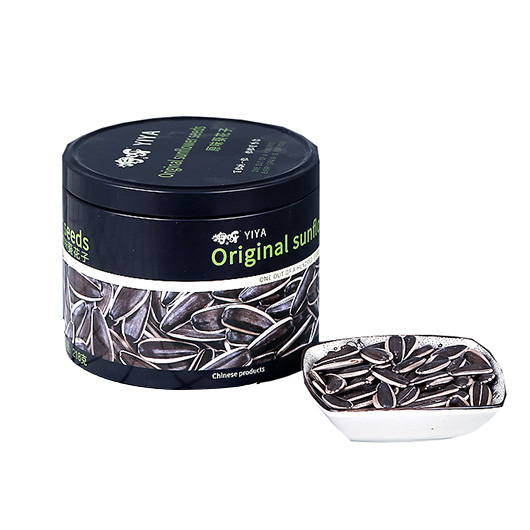
No salt sunflower seeds represent a processed food product derived from the common sunflower ( Helianthus annuus). Positioned within the snack food industry, specifically the seed-based snack segment, they offer a perceived healthier alternative to salted varieties. The core performance characteristics center around palatability, shelf-life stability, and minimal residual oil content. These seeds undergo a series of processing steps – harvesting, drying, dehulling, and roasting – aimed at maximizing consumer appeal while adhering to food safety regulations. A critical industry pain point involves achieving consistent kernel fullness, minimizing shell fragments, and ensuring optimal roasting to balance flavor development with acrylamide formation control. The absence of salt necessitates a focus on inherent seed flavor profiles and textural qualities for consumer acceptance. This technical guide provides an in-depth examination of the material science, manufacturing processes, performance parameters, potential failure modes, and relevant industry standards pertaining to no salt sunflower seeds.
Material Science & Manufacturing
The primary raw material, sunflower kernels, consist of approximately 42-50% oil, 20-25% protein, 15-20% carbohydrates (primarily cellulose and hemicellulose in the shell), and 5-10% moisture. The oil is rich in linoleic acid (an omega-6 fatty acid) and oleic acid (an omega-9 fatty acid). Kernel quality, including oil content and protein profile, varies significantly based on sunflower variety, growing conditions (soil composition, climate), and harvesting practices. The manufacturing process begins with harvesting and initial drying to reduce moisture content to approximately 9-10%, inhibiting microbial growth and facilitating shelling. Dehulling, typically achieved mechanically, separates the kernel from the hull. This is a crucial step as residual hull fragments negatively impact product texture and consumer perception. Roasting, employing hot air or oil-based systems at temperatures between 140-180°C, develops the characteristic flavor and aroma. Roasting parameters (temperature, duration, air velocity) are tightly controlled to minimize acrylamide formation, a potential carcinogen formed through the Maillard reaction. Further processing may involve winnowing to remove residual hulls and broken kernels, followed by seasoning (although “no salt” eliminates this step) and packaging. Controlling the water activity (Aw) during packaging, typically below 0.6, is essential for long-term shelf stability and prevention of rancidity. The packaging material’s oxygen barrier properties also influence shelf life, mitigating oxidative degradation of the oil content. Parameter control during roasting is primarily governed by measuring kernel temperature and moisture content in real-time, utilizing infrared sensors and drying loss measurements. The hulls are often repurposed for animal feed or biofuel production.
Performance & Engineering
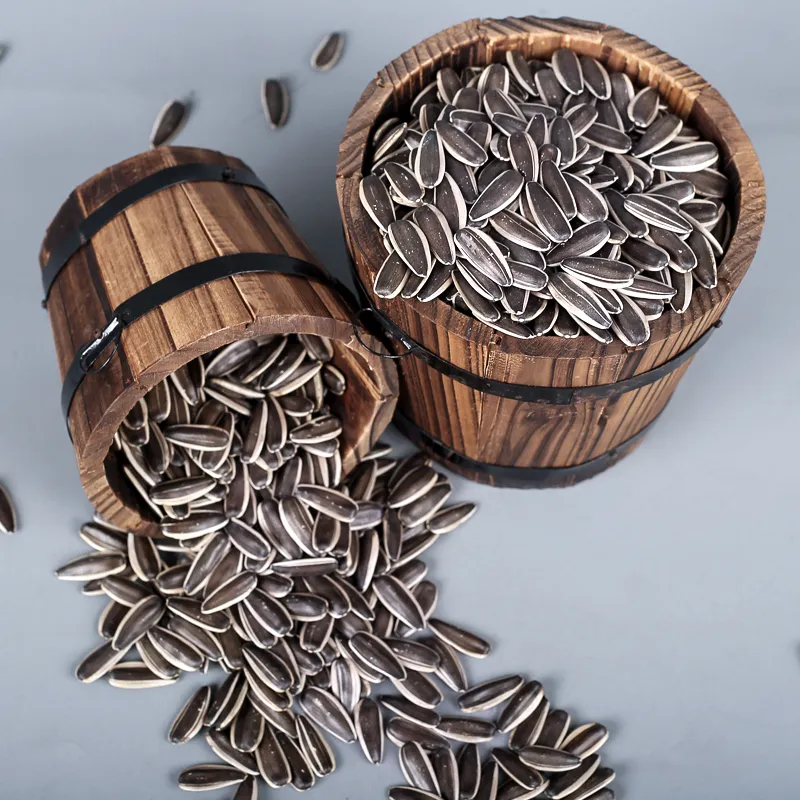
Performance evaluation of no salt sunflower seeds focuses on several key areas: textural properties (hardness, crispness), flavor profile (intensity and balance of nutty/roasted notes), and oxidative stability. Force analysis is applied to assess kernel hardness, typically measured using a texture analyzer. This provides quantitative data on the force required to fracture the kernel, directly correlating with perceived crispness. Environmental resistance primarily concerns moisture uptake and oxygen permeation through the packaging. High humidity can lead to softening of the kernels and increased susceptibility to microbial growth. Oxygen exposure promotes lipid oxidation, resulting in rancidity and off-flavors. Compliance requirements revolve around food safety regulations (e.g., FDA in the US, EFSA in Europe) encompassing permissible levels of acrylamide, residual solvents (if used in processing), and heavy metal contamination. Functional implementation – i.e., the seed’s performance as a snack – is dictated by its sensory attributes. The absence of salt necessitates a robust flavor development during roasting to provide an appealing sensory experience. The kernel’s structural integrity is also paramount; excessive breakage during handling or consumption diminishes product quality. Engineering challenges involve optimizing the roasting process to maximize flavor development while minimizing acrylamide formation, and designing packaging materials that provide an effective barrier against moisture and oxygen. Shelf life studies, conducted under controlled temperature and humidity conditions, are crucial for determining the product’s expiration date and validating the effectiveness of the packaging system.
Technical Specifications
| Parameter | Unit | Typical Value | Acceptable Range |
|---|---|---|---|
| Moisture Content | % (w/w) | 6.0 | 5.0 – 8.0 |
| Oil Content | % (w/w) | 45 | 42 – 50 |
| Kernel Hardness | N (Newtons) | 80 | 60 – 100 |
| Aw (Water Activity) | - | 0.55 | 0.4 – 0.6 |
| Acrylamide Content | µg/kg | 80 | < 150 (regulatory limit varies by region) |
| Peroxide Value (Oxidative Rancidity) | meq O2/kg | 2.0 | < 5.0 |
Failure Mode & Maintenance
Failure modes for no salt sunflower seeds primarily fall into categories of quality degradation and physical damage. Rancidity, caused by lipid oxidation, is a significant failure mode, manifesting as off-flavors and odors. This is accelerated by exposure to oxygen, light, and elevated temperatures. Kernel cracking or breakage during processing, packaging, or handling reduces product appeal and increases the proportion of fines. Moisture absorption leads to softening of the kernels, loss of crispness, and potential microbial growth. Acrylamide formation exceeding regulatory limits represents a food safety failure. Foreign material contamination (e.g., shell fragments, stones) is another critical failure mode. Maintenance practices focus on preventing these failures. Proper storage of raw materials (kernels) in cool, dry conditions is essential. Regular cleaning and maintenance of processing equipment (dehullers, roasters, packaging lines) minimize physical damage and contamination. Controlling roasting parameters (temperature, time) and implementing antioxidant packaging materials mitigate rancidity and acrylamide formation. Implementing robust quality control procedures, including regular testing for moisture content, oil content, acrylamide levels, and peroxide value, is vital. Packaging materials should be inspected for integrity (seal strength, barrier properties) before use. Routine monitoring of storage conditions (temperature, humidity) ensures product stability throughout its shelf life. Proper FIFO (First-In, First-Out) inventory management prevents prolonged storage and potential degradation.
Industry FAQ
Q: What are the primary drivers of acrylamide formation during the roasting process?
A: Acrylamide formation is primarily driven by the Maillard reaction between reducing sugars (present in the kernels) and asparagine, an amino acid. Higher roasting temperatures and longer roasting times generally increase acrylamide formation. Kernel moisture content also plays a role; lower moisture content favors acrylamide development. Control strategies include optimizing roasting profiles (lower temperature, shorter duration), potentially utilizing asparaginase enzymes to reduce asparagine levels, and employing roasting additives that inhibit the Maillard reaction.
Q: How does the sunflower variety impact the final product quality?
A: Sunflower variety significantly influences kernel size, oil content, protein content, and hull characteristics. High-oleic varieties, containing predominantly oleic acid, exhibit greater oxidative stability, resulting in a longer shelf life. Kernel size impacts the overall mouthfeel and consumer preference. Varieties with thinner hulls are easier to dehull, minimizing kernel breakage and reducing the presence of shell fragments. The overall sugar content within the kernel also impacts acrylamide formation potential.
Q: What packaging materials offer the best barrier properties for preserving freshness?
A: Multi-layer films incorporating aluminum foil or metallized polyester provide the most effective barrier against oxygen and moisture. High-density polyethylene (HDPE) and polypropylene (PP) are commonly used as inner layers for food contact. The selection depends on cost considerations, sealing requirements, and the desired shelf life. Modified atmosphere packaging (MAP), employing nitrogen flushing to reduce oxygen levels within the package, further enhances preservation.
Q: What methods are used to quantify the degree of rancidity in sunflower seeds?
A: The peroxide value (PV) is a commonly used indicator of primary oxidation, measuring the concentration of peroxides formed during lipid oxidation. The p-anisidine value (AV) assesses secondary oxidation products, contributing to off-flavors. Gas chromatography-mass spectrometry (GC-MS) can be employed to identify and quantify specific volatile compounds associated with rancidity. Sensory evaluation, involving trained panelists, provides a subjective assessment of the off-flavor intensity.
Q: What are the key considerations for scaling up production while maintaining consistent quality?
A: Scaling up requires careful control of process parameters across larger equipment. Maintaining consistent roasting profiles (temperature distribution, airflow) is critical. Raw material variability (kernel size, moisture content) must be accounted for through automated sorting and blending systems. Robust quality control procedures, including real-time monitoring of critical parameters and statistical process control (SPC), are essential. Proper equipment calibration and maintenance are also vital to ensure consistent performance. Automated packaging systems with integrated quality checks further minimize defects.
Conclusion
No salt sunflower seeds represent a complex food product where material science and precise manufacturing processes are paramount to delivering a palatable, stable, and safe snack. Achieving optimal quality necessitates careful control of kernel sourcing, roasting parameters, and packaging materials. Addressing the inherent challenges – minimizing acrylamide formation, preventing rancidity, and maintaining textural integrity – requires a holistic approach encompassing process optimization, quality control, and adherence to stringent food safety standards.
Future developments may focus on innovative roasting technologies that further reduce acrylamide formation, the development of bio-based packaging materials with enhanced barrier properties, and breeding programs to create sunflower varieties with improved flavor profiles and oxidative stability. Continued research into the mechanisms of lipid oxidation and the Maillard reaction will contribute to extending shelf life and enhancing the overall quality of no salt sunflower seeds.
