Introduction
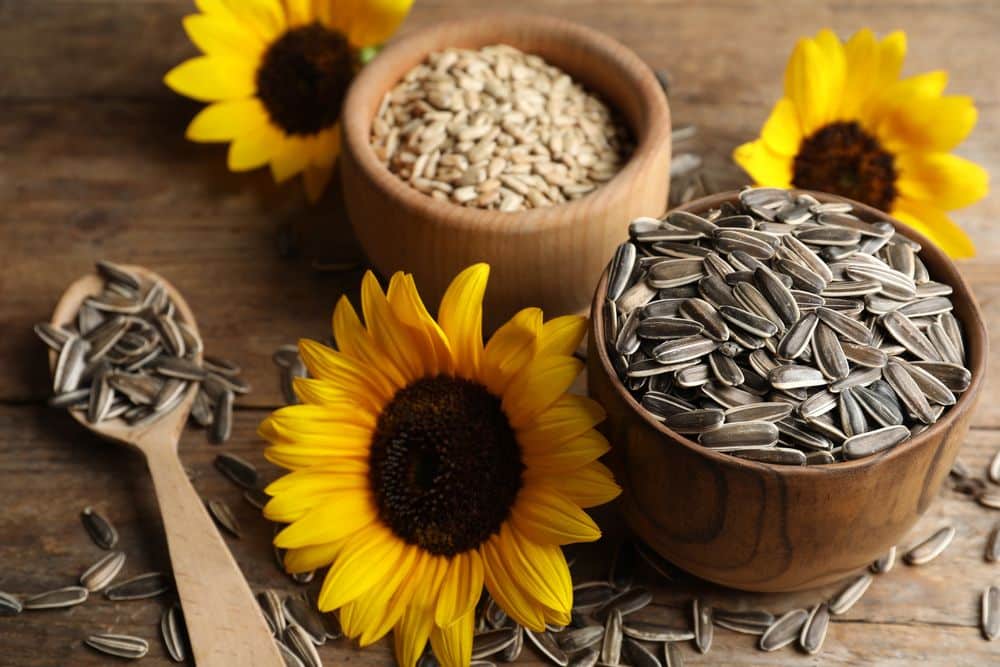
Sunflower seeds ( Helianthus annuus) represent a significant agricultural commodity, serving as a source of edible oil, confectionary snacks, and bird feed. This technical guide focuses on the attributes of new sunflower seed varieties, specifically addressing advancements in oil content, protein profiles, and resistance to common pathogens. Within the agricultural supply chain, these seeds constitute a primary input for oil extraction, direct consumption, and animal nutrition. Core performance characteristics include germination rate, oil yield (%), protein content (%), and the presence of specific fatty acid profiles vital for nutritional value. Current industry pain points revolve around maximizing oil yield while ensuring genetic stability and resistance to disease, particularly Phomopsis sclerotinia and various rusts. The increasing demand for high-oleic acid sunflower oil necessitates a deep understanding of the breeding and processing parameters affecting these critical fatty acid compositions.
Material Science & Manufacturing
Sunflower seed composition is dictated by the genetic makeup of the plant and influenced by environmental factors. The seed coat, or pericarp, is composed primarily of cellulose, hemicellulose, and lignin, providing a protective barrier. The kernel, constituting approximately 65-75% of the seed's weight, contains the oil bodies (oleosomes) surrounded by protein storage vacuoles. Oil composition comprises primarily triglycerides, with varying proportions of linoleic, oleic, and palmitic acids. Manufacturing begins with seed harvesting, cleaning, and drying to a moisture content of approximately 9-10% to prevent fungal growth and ensure proper storage. Dehulling removes the pericarp, typically through mechanical abrasion, followed by flaking to rupture the cells and facilitate oil extraction. Oil extraction utilizes both mechanical pressing (expelling) and solvent extraction (typically hexane). Key parameter control during flaking includes roller gap and feed rate, impacting oil yield. Solvent extraction requires careful temperature control (60-70°C) and solvent recovery to minimize residual solvent levels, adhering to stringent food safety regulations. Genetic modification techniques are increasingly employed to enhance oil content and modify fatty acid profiles, necessitating rigorous quality control and traceability protocols.
Performance & Engineering
Sunflower seed performance is critically linked to the structural integrity of the seed coat and the stability of the oil bodies. Force analysis during dehulling must consider the fracture toughness of the pericarp to minimize kernel damage, which reduces oil yield. Environmental resistance, specifically to temperature fluctuations during storage, impacts oil oxidation and rancidity development. Lipid peroxidation, catalyzed by enzymes like lipoxygenase, is accelerated by heat, light, and oxygen exposure. Engineering considerations for storage facilities include maintaining low temperatures (below 15°C) and minimizing oxygen ingress. Compliance requirements necessitate adherence to maximum allowable levels of contaminants (aflatoxins, heavy metals) as defined by regulatory bodies (FDA, EFSA). Functional implementation involves optimizing the oil extraction process to maximize yield and minimize oil degradation. This includes controlling solvent-to-seed ratios, extraction time, and temperature. Furthermore, protein isolates extracted as a byproduct require careful processing to maintain their functional properties (emulsification, water-holding capacity) for applications in food and animal feed. Seed shelling machinery must be engineered to minimize fine particle generation (dust), a potential explosion hazard.
Technical Specifications
| Oil Content (%) | Protein Content (%) | Oleic Acid Content (%) | Germination Rate (%) |
|---|---|---|---|
| 48-52 | 20-24 | 60-75 (High Oleic Varieties) | 85-95 |
| 42-46 | 22-26 | 30-40 (Linoleic Varieties) | 80-90 |
| 45-49 | 21-25 | 45-60 (Mid-Oleic Varieties) | 88-98 |
| 50-54 | 18-22 | 70-85 (Advanced High Oleic Varieties) | 90-97 |
| 40-44 | 24-28 | 25-35 (Traditional Linoleic Varieties) | 75-85 |
| 47-51 | 23-27 | 50-65 (Improved Mid-Oleic Varieties) | 87-97 |
Failure Mode & Maintenance
Sunflower seed failure modes encompass several areas. Phomopsis sclerotinia and rust diseases lead to reduced seed fill and oil content. Mechanical damage during harvesting and processing (cracking, chipping) lowers seed quality and increases susceptibility to fungal infection. Lipid oxidation during storage results in rancidity, reducing oil quality and nutritional value. Aflatoxin contamination, caused by Aspergillus flavus and Aspergillus parasiticus, poses a serious health risk and is stringently regulated. Maintenance strategies include implementing robust disease management programs (fungicides, resistant varieties), optimizing harvesting and processing equipment to minimize mechanical damage, controlling storage conditions (temperature, humidity, oxygen levels), and regular monitoring for aflatoxin contamination. Preventative maintenance on dehulling and flaking machinery, including roller adjustments and bearing lubrication, is crucial for consistent performance. Seed treatment with fungicides and insecticides can mitigate pre- and post-emergence pest and disease pressures. Periodic inspection of storage silos for structural integrity and pest infestations is also essential.
Industry FAQ
Q: What is the impact of varying oleic acid content on the shelf life of sunflower oil?
A: Higher oleic acid content significantly enhances oxidative stability, leading to a substantially longer shelf life. Oleic acid is a monounsaturated fatty acid less prone to oxidation than polyunsaturated fatty acids like linoleic acid. This translates to reduced rancidity and preservation of oil quality during storage and frying.
Q: How do storage conditions affect the germination rate of sunflower seeds?
A: High temperature and humidity dramatically reduce germination rate. Optimal storage conditions are low temperature (below 15°C) and low humidity (below 60%). Exposure to moisture activates enzymatic processes that degrade seed viability. Controlled atmosphere storage, with reduced oxygen levels, can further extend seed viability.
Q: What are the critical control points for preventing aflatoxin contamination?
A: Critical control points include pre-harvest disease management (reducing insect damage), proper drying of seeds to below 9% moisture content, thorough cleaning to remove damaged kernels, and storage in dry, well-ventilated facilities. Regular aflatoxin testing is crucial throughout the supply chain.
Q: What is the influence of dehulling efficiency on oil yield?
A: Inefficient dehulling, resulting in a high percentage of hull fragments in the kernel stream, reduces oil yield. Hull fragments dilute the oil concentration and increase processing costs. Optimized dehulling parameters (roller gap, feed rate) and effective separation of hulls from kernels are essential.
Q: How does the protein content of sunflower meal impact its value as an animal feed ingredient?
A: Higher protein content enhances the nutritional value of sunflower meal, increasing its demand as an animal feed ingredient. The amino acid profile, particularly the lysine and methionine content, is also a crucial factor. Processing methods that preserve protein quality are essential.
Conclusion
The cultivation and processing of new sunflower seed varieties require a comprehensive understanding of material science, agricultural engineering, and quality control principles. Maximizing oil yield, optimizing fatty acid profiles, and ensuring food safety are paramount concerns driving innovation in this sector. Recent advancements in genetic modification and precision agriculture offer promising avenues for enhancing sunflower seed performance and sustainability.
Future research should focus on developing even more robust disease resistance, improving oil stability through targeted breeding programs, and optimizing processing techniques to minimize energy consumption and waste generation. Continued adherence to international standards and rigorous quality control protocols will be essential for maintaining consumer confidence and expanding the market for sunflower seed products.
