Introduction
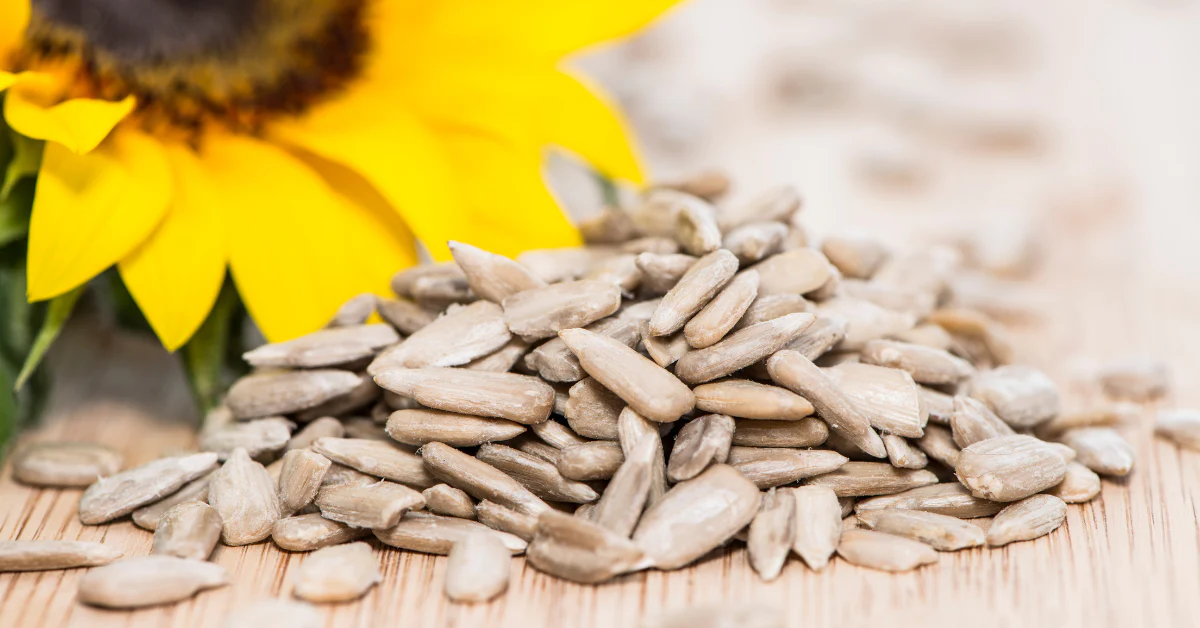
Natural organic sunflower seeds ( Helianthus annuus) represent a significant commodity within the agricultural and food processing industries. Positioned as a high-value oilseed and increasingly popular snack food, their technical relevance extends from agronomic practices to post-harvest processing and nutritional biochemistry. These seeds are characterized by a hull (pericarp), kernel, and embryo, each component influencing processing parameters and final product quality. Core performance characteristics include oil content, protein profile, fatty acid composition, and levels of bioactive compounds like Vitamin E. The organic certification necessitates adherence to strict cultivation protocols, impacting seed characteristics and supply chain traceability. Understanding these parameters is critical for manufacturers involved in oil extraction, snack food production, and ingredient formulation, addressing a growing consumer demand for healthy and sustainably sourced food options.
Material Science & Manufacturing
The primary raw material is the sunflower seed itself, comprising approximately 35-50% oil, 20-25% protein, and 15-20% carbohydrate. The hull, a lignocellulosic material, constitutes roughly 28-35% of the seed weight, providing structural integrity but requiring removal during processing. Kernel composition is crucial: oil is primarily composed of triglycerides, with linoleic acid (omega-6) and oleic acid (omega-9) being the dominant fatty acids. Protein content includes globulins and albumins, contributing to nutritional value. Manufacturing begins with harvesting and drying to a moisture content of approximately 9-10%. De-hulling is a key step, commonly achieved through mechanical abrasion or impact. The kernels undergo cleaning to remove foreign matter, followed by either oil extraction (via pressing or solvent extraction – hexane is typical) or direct consumption as snack seeds. For snack seeds, processes include grading by size, coating (salting, flavoring), and packaging. Parameter control during drying is vital to prevent rancidity (lipid oxidation); temperature and duration must be carefully monitored. Hulling efficiency impacts kernel damage; minimizing this damage is crucial for oil yield and snack seed quality. Oil extraction utilizes controlled temperature and pressure to maximize oil recovery while preserving fatty acid profiles.

Performance & Engineering
Performance characteristics center on oil yield, oil quality (acid value, peroxide value, iodine value), and kernel structural integrity. Force analysis is critical in de-hulling operations; optimal force application minimizes kernel breakage. Environmental resistance pertains to storage stability; seeds are susceptible to moisture absorption, leading to mold growth and aflatoxin contamination (a mycotoxin requiring stringent control). Compliance requirements include organic certification standards (USDA Organic, EU Organic Regulation) which dictate permissible farming practices (no synthetic pesticides or fertilizers) and traceability protocols. Engineering considerations include the design of efficient de-hulling machinery, optimized oil extraction systems (balancing solvent usage with oil recovery), and packaging materials that provide a barrier to oxygen and moisture. Snack seed coating processes require precise control of coating adherence and uniformity. Furthermore, the design of storage facilities must account for temperature and humidity control to prevent lipid oxidation and maintain seed viability. The impact resistance of the kernel is directly related to its protein content and density.
Technical Specifications
| Parameter | Unit | Typical Value (Organic) | Test Method |
|---|---|---|---|
| Oil Content | % (Dry Weight Basis) | 42-48 | NMR Spectroscopy (AOCS Official Method) |
| Protein Content | % (Dry Weight Basis) | 18-24 | Kjeldahl Method (AOCS Official Method) |
| Moisture Content | % | ≤ 9.0 | Oven Drying (AOCS Official Method) |
| Acid Value | mg KOH/g | ≤ 0.5 | Titration (AOCS Official Method) |
| Peroxide Value | meq O2/kg | ≤ 5.0 | Titration (AOCS Official Method) |
| Linoleic Acid Content | % of Total Fatty Acids | 55-70 | Gas Chromatography (AOCS Official Method) |
Failure Mode & Maintenance
Failure modes encompass rancidity (lipid oxidation leading to off-flavors), aflatoxin contamination (mold growth during improper storage), hulling damage (kernel breakage reducing oil yield and snack seed quality), and pest infestation. Rancidity is initiated by enzymatic hydrolysis and accelerated by oxygen, light, and temperature; prevention involves proper drying, antioxidant addition (Vitamin E is inherent), and inert gas packaging. Aflatoxin contamination is addressed through pre-harvest field management (reducing insect damage), proper drying, and storage under controlled conditions. Hulling damage can be minimized by optimizing de-hulling machinery settings and kernel moisture content. Pest infestation is prevented by maintaining hygienic storage conditions and utilizing appropriate pest control measures. Maintenance of processing equipment – specifically de-hullers and oil extraction systems – is critical. Regular inspection and replacement of worn parts (e.g., abrasive surfaces in de-hullers, solvent filters in extraction systems) prevent downtime and ensure optimal performance. Cleaning and sanitation protocols are essential to prevent mold growth and cross-contamination. Preventative maintenance schedules should be implemented, including lubrication, belt tension checks, and calibration of sensors.
Industry FAQ
Q: What are the key differences between high-oleic and linoleic sunflower seeds, and how do these impact oil processing?
A: High-oleic seeds contain a significantly higher proportion of oleic acid (typically >70%) compared to linoleic seeds (typically 55-70%). This impacts processing because high-oleic oil exhibits greater oxidative stability, requiring less refining and bleaching. It also translates to a longer shelf life for products using the oil. Linoleic oil is more prone to oxidation, necessitating more rigorous refining and antioxidant addition. The refining process for linoleic oil typically requires dewaxing, degumming, neutralization, bleaching, and deodorization. High-oleic oil often requires only degumming and deodorization.
Q: What specific regulations govern the allowable levels of pesticides and heavy metals in organic sunflower seeds?
A: Organic certification bodies (USDA Organic, EU Organic Regulation) have strict limits on pesticide residues. Synthetic pesticides are generally prohibited. Allowable substances are listed on approved lists, with maximum residue limits (MRLs) established. Heavy metal contamination (lead, cadmium, arsenic, mercury) is also regulated. Limits are based on Codex Alimentarius standards and national regulations. Regular testing is required to ensure compliance, typically involving accredited laboratories using ICP-MS or atomic absorption spectroscopy.
Q: How does kernel moisture content affect the efficiency of the de-hulling process?
A: Optimal kernel moisture content for de-hulling is typically between 9-12%. Lower moisture levels make the kernels brittle and prone to breakage, reducing oil yield and snack seed quality. Higher moisture levels make the hulls more difficult to separate from the kernels, reducing de-hulling efficiency and potentially leading to mold growth. Proper drying to achieve this range is crucial.
Q: What are the typical storage conditions recommended to prevent rancidity in sunflower seeds?
A: Sunflower seeds should be stored in a cool, dry, and dark environment. The ideal temperature is below 15°C (59°F), and relative humidity should be maintained below 65%. Packaging in airtight containers, preferably with an inert gas (nitrogen) flush, further minimizes oxygen exposure. Exposure to light should be minimized as it accelerates oxidation.
Q: What analytical methods are used to determine the authenticity of organic sunflower seeds and prevent adulteration?
A: Analytical methods include stable isotope ratio analysis (SIRIA) to verify the source of nitrogen, fatty acid profiling to detect the presence of non-organic oils, and pesticide residue analysis to confirm compliance with organic standards. Traceability systems, including documentation of farm origin and processing history, are also critical for verifying authenticity.
Conclusion
Natural organic sunflower seeds represent a complex agricultural commodity demanding meticulous attention to detail throughout the entire value chain. From the agronomic practices dictating seed composition to the engineering parameters governing processing efficiency and storage stability, a thorough understanding of material science and relevant industry standards is paramount. Ensuring adherence to organic certification requirements and proactive mitigation of failure modes like rancidity and aflatoxin contamination are crucial for delivering a high-quality, safe, and sustainable product.
Looking forward, advancements in seed breeding focused on increasing oil content, improving fatty acid profiles, and enhancing resistance to pests and diseases will further enhance the economic viability and nutritional value of sunflower seeds. Furthermore, development of more sustainable processing technologies, reducing solvent usage and minimizing energy consumption, will be critical for meeting growing consumer demand for environmentally responsible food production. Continued investment in analytical techniques for verifying authenticity and ensuring food safety will also be essential.
