Introduction
Muskmelon seeds, Cucumis melo var. reticulatus, represent a critical input for the horticultural industry, driving the global production of muskmelons. While often considered a low-value commodity, the price per kilogram of muskmelon seeds is a key indicator of market dynamics, breeding advancements, and overall supply chain efficiency. This technical guide provides an in-depth exploration of muskmelon seed characteristics, production processes, performance metrics, potential failure modes, and current industry standards, with a particular focus on the factors influencing seed price. The price is affected by seed quality, genetic purity, germination rate, disease resistance, treatment, and packaging. Understanding these elements is crucial for procurement managers, agricultural engineers, and seed breeders involved in muskmelon cultivation. The global muskmelon seed market is increasingly segmented by hybrid vigor, disease packages (e.g., Fusarium, Powdery Mildew resistance), and adaptability to specific growing regions, driving price differentiation.
Material Science & Manufacturing
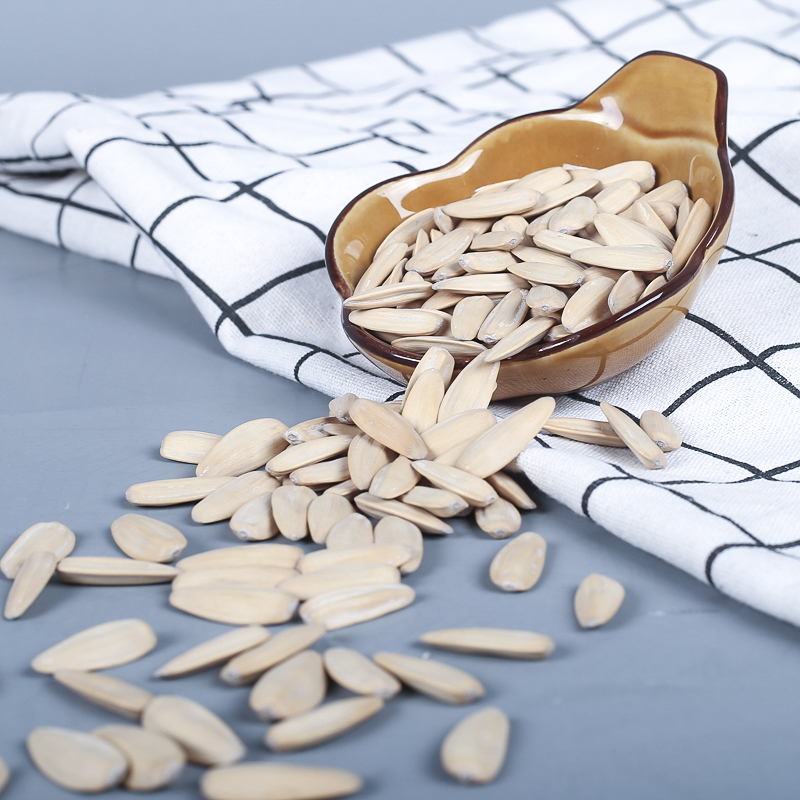
Muskmelon seeds are primarily composed of an embryo, endosperm, and seed coat. The embryo, representing the nascent plant, contains lipids (around 30-40% by weight, primarily linoleic and oleic acids), proteins (25-35%), and carbohydrates (10-20%). The endosperm provides nourishment during germination, and its composition dictates initial seedling vigor. The seed coat, primarily composed of cellulose and lignin, provides physical protection against mechanical damage, pathogens, and environmental stressors. Manufacturing begins with controlled pollination of selected muskmelon cultivars. Hybrid seed production is a common practice, utilizing hand pollination to ensure specific genetic combinations. Seed extraction involves mechanical harvesting followed by drying, typically to a moisture content of 8-10%. This drying phase is critical; improper drying leads to reduced viability and increased dormancy. Subsequent cleaning removes debris and immature seeds, often employing screening and air separation techniques. Seed treatment, utilizing fungicides and insecticides, is a crucial step to protect against seed-borne diseases and soil pests, contributing significantly to the price. Seed packaging utilizes moisture-proof materials (foil laminates) to maintain viability during storage. Key parameters monitored during manufacturing include seed moisture content, germination rate, genetic purity (verified through molecular markers), and absence of pathogens (through laboratory assays).
Performance & Engineering
Seed performance is assessed based on germination rate, seedling vigor, and subsequent fruit yield. Germination rate, typically expressed as a percentage, is influenced by seed viability, temperature, moisture, and oxygen availability. Seedling vigor, assessed by root and shoot length, provides an indication of early growth potential. Engineering aspects focus on optimizing seed coating formulations to enhance germination under stress conditions (e.g., salinity, drought). Polymer coatings containing micronutrients and plant growth regulators are commonly employed. Environmental resistance is paramount; seeds must withstand temperature fluctuations during storage and transport. Seed deterioration occurs via lipid peroxidation and protein denaturation, accelerated by high temperature and humidity. Compliance requirements involve adherence to national and international seed regulations, including seed testing standards and phytosanitary certifications. The mechanical strength of the seed coat is also crucial, influencing its resistance to cracking during handling and planting. Force analysis during seed handling reveals critical stress points; seed damage reduces germination success. Seed size and weight also influence planting precision in automated systems. Seed treatment effectiveness is a key performance metric, quantified by disease incidence in field trials.
Technical Specifications
| Parameter | Unit | Typical Range | Impact on Price |
|---|---|---|---|
| Germination Rate | % | 85-95 | High: Directly correlates with price; higher rates command premium. |
| Seed Moisture Content | % | 7-9 | Medium: Optimal moisture ensures viability; deviations lower price. |
| Genetic Purity | % | 98-99.9 | High: Crucial for hybrid performance; higher purity increases price. |
| 1000-Seed Weight | g | 25-35 | Low: Influences planting precision; consistent weight preferred. |
| Disease Resistance (Fusarium) | Races Affected | 0-2 | High: Disease resistance significantly increases value, particularly in endemic areas. |
| Seed Coat Strength | N/mm² | 15-25 | Medium: Impacts handling resilience; stronger coats reduce damage. |
Failure Mode & Maintenance
Muskmelon seeds are susceptible to several failure modes. Physical damage during handling (cracking, chipping) reduces germination. Deterioration during storage, caused by lipid peroxidation and protein denaturation, lowers viability. Pathogen infection (e.g., Fusarium, Alternaria) inhibits germination and causes seedling damping-off. Insect damage by storage pests can render seeds non-viable. Dormancy, an inherent physiological condition, can prevent germination even under favorable conditions. Maintenance involves proper storage conditions: low temperature (4-10°C), low humidity (40-50%), and protection from light. Regular monitoring of seed moisture content is essential. Seed treatments with fungicides and insecticides provide prophylactic protection. Periodic viability testing (every 6-12 months) assesses seed quality and informs replenishment strategies. Implementing a First-In, First-Out (FIFO) inventory system minimizes storage time and reduces the risk of deterioration. Proper packaging (moisture-proof containers) is crucial to maintain seed quality during storage and transport. Failure analysis involves microscopic examination of damaged seeds to identify the root cause of failure.
Industry FAQ
Q: What is the typical shelf life of properly stored muskmelon seeds?
A: Under optimal storage conditions (4-10°C, 40-50% humidity, moisture-proof packaging), muskmelon seeds typically maintain 80-90% germination rate for 2-3 years. However, germination rate declines progressively over time, and viability testing is recommended annually.
Q: How does seed treatment impact the price per kilogram?
A: Seed treatment with fungicides and insecticides adds to the production cost, typically increasing the price per kilogram by 10-20%. However, the reduction in field losses due to disease and pests often justifies the higher cost.
Q: What are the key indicators of seed quality beyond germination rate?
A: Genetic purity, seedling vigor (root and shoot length), freedom from pathogens, and seed coat strength are all critical indicators of seed quality. These parameters provide a more comprehensive assessment of seed performance potential.
Q: How does hybrid seed production influence the price compared to open-pollinated varieties?
A: Hybrid seeds are generally more expensive (2-5 times) than open-pollinated varieties due to the complex and labor-intensive hand pollination process. However, hybrid vigor results in higher yields and improved fruit quality, often offsetting the higher seed cost.
Q: What role do international phytosanitary regulations play in the muskmelon seed trade?
A: Phytosanitary regulations are crucial to prevent the spread of seed-borne diseases and pests. Seeds must be inspected and certified as free from regulated quarantine organisms before international trade. Compliance with these regulations adds to the cost but is essential for market access.
Conclusion
Muskmelon seed price per kilogram is a complex metric influenced by a multitude of factors, ranging from genetic purity and disease resistance to manufacturing processes and storage conditions. A thorough understanding of these parameters is critical for informed procurement decisions and maximizing crop yields. The demand for high-quality, disease-resistant hybrid seeds continues to drive price differentiation within the market.
Future trends will likely focus on developing seeds with enhanced tolerance to abiotic stresses (drought, salinity, heat) and improved nutritional profiles. Advancements in seed coating technologies and precision planting equipment will further optimize seed performance and reduce input costs. Continued investment in breeding programs focused on disease resistance and hybrid vigor will remain paramount to meeting the growing global demand for muskmelons.
