Introduction
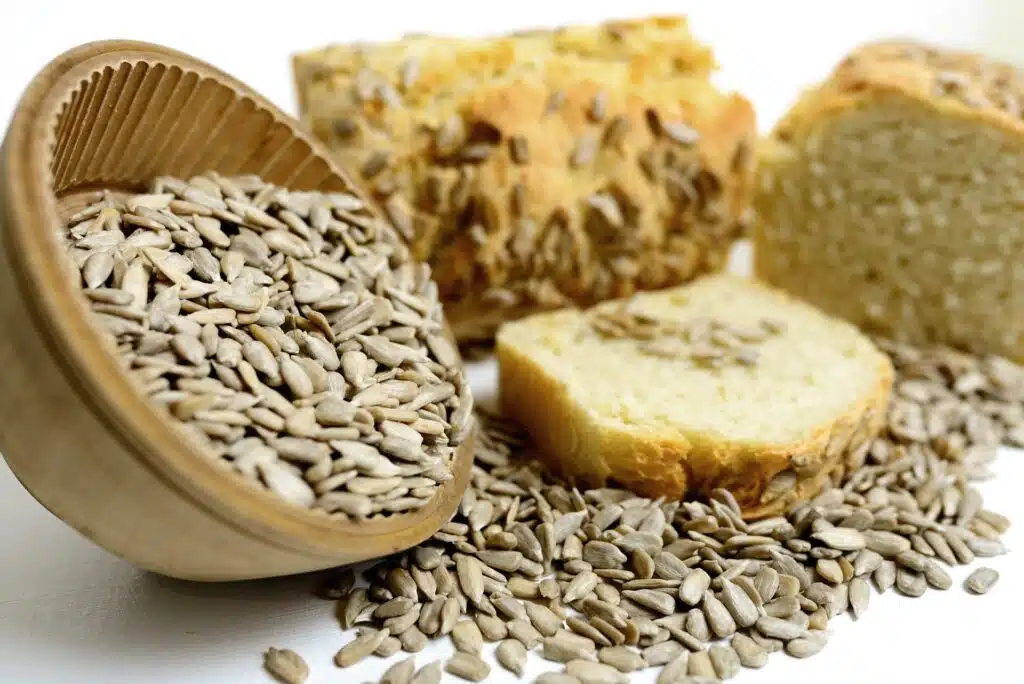
Muskmelon seeds for eating represent a niche but growing segment within the edible seed market. Unlike seeds discarded as byproducts of muskmelon consumption, these are specifically cultivated for direct human consumption, often after processing such as drying, roasting, or seasoning. Positioned between commodity seeds (sunflower, pumpkin) and specialty seeds (chia, flax), muskmelon seeds offer a unique nutritional profile and textural experience. The industry faces challenges related to consistent quality, limited consumer awareness, and the need for optimized processing techniques to maximize palatability and shelf life. Core performance characteristics center around oil content, protein levels, and the absence of bitter compounds, directly influencing consumer acceptance. This guide provides a comprehensive technical overview of muskmelon seeds for eating, covering material science, manufacturing processes, performance engineering, potential failure modes, and relevant industry standards.
Material Science & Manufacturing
Muskmelon seeds ( Cucumis melo ) are primarily composed of lipids (approximately 40-50% by weight), proteins (25-30%), carbohydrates (10-15%), and fiber (5-10%), with minor amounts of vitamins and minerals. The lipid fraction consists predominantly of linoleic acid (an omega-6 fatty acid), providing nutritional value but also contributing to oxidative instability. The seed coat, composed of cellulose and lignin, offers physical protection but can impart a bitter taste if not properly removed or processed. Manufacturing begins with seed extraction from mature muskmelon fruits, followed by cleaning to remove pulp residue. Critical parameters during drying (typically employing hot air ovens or fluidized bed dryers) include temperature (not exceeding 60°C to prevent lipid oxidation) and moisture content (reducing to 8-10% for stability). Roasting, a common processing step, enhances flavor and texture; optimal roasting temperatures range from 120-150°C for 10-20 minutes, carefully monitored to avoid scorching and acrylamide formation. Seasoning (salt, spices) is applied post-roasting. Seed coat removal (dehulling) is achieved through mechanical abrasion or enzymatic treatments, though complete removal can reduce yield. Control of particle size distribution during dehulling impacts the final product's texture and mouthfeel. Chemical compatibility assessment involves avoiding contact with materials promoting oxidation (e.g., certain metals) and ensuring packaging materials provide adequate barrier properties against oxygen and moisture.
Performance & Engineering
The performance of muskmelon seeds for eating is evaluated based on several engineering principles. Shear force analysis, conducted using a texture analyzer, quantifies the crispness and hardness, with consumer preference generally aligning with moderate shear force values. Environmental resistance focuses on oxidative stability, assessed via rancidity testing (Peroxide Value, Anisidine Value) during accelerated shelf-life studies. Packaging plays a crucial role; materials with low Oxygen Transmission Rates (OTR < 10 cc/m²/day) and Water Vapor Transmission Rates (WVTR < 3 g/m²/day) are required to maintain product quality. Compliance requirements include adherence to food safety regulations (e.g., FDA in the US, EFSA in Europe) regarding permissible levels of heavy metals, pesticides, and microbial contaminants. Functional implementation considerations involve ensuring consistent seed size and shape for uniform roasting and seasoning. The seeds’ oil content influences their caloric density, requiring accurate nutritional labeling. Furthermore, understanding the thermal conductivity of the seeds is vital for optimizing roasting processes to prevent uneven heating. Resistance to compression during packaging and transportation is another critical engineering parameter, ensuring minimal seed breakage.
Technical Specifications
| Parameter | Unit | Typical Value (Range) | Test Method |
|---|---|---|---|
| Moisture Content | % | 8-10 | AOAC 925.10 |
| Oil Content | % | 40-50 | Soxhlet Extraction (AOAC 920.39) |
| Protein Content | % | 25-30 | Kjeldahl Method (AOAC 920.87) |
| Fiber Content | % | 5-10 | Acid Detergent Fiber (ADF) / Neutral Detergent Fiber (NDF) |
| Linoleic Acid Content | % of Total Fat | 60-70 | Gas Chromatography-Mass Spectrometry (GC-MS) |
| Shear Force (Crispness) | N | 2-5 | Texture Analyzer (TA.XTplus) |
Failure Mode & Maintenance
Common failure modes for muskmelon seeds for eating include rancidity due to lipid oxidation, leading to off-flavors and reduced nutritional value. This is accelerated by exposure to oxygen, light, and elevated temperatures. Seed coat fragments remaining after dehulling can cause a bitter taste and reduced palatability. Physical damage (cracking, breakage) during handling and packaging reduces aesthetic appeal and potentially generates dust. Microbial contamination (mold, bacteria) can occur due to insufficient drying or improper storage. Maintenance strategies involve storing seeds in airtight, opaque containers at cool temperatures (below 20°C). Packaging should incorporate oxygen absorbers and desiccants to minimize oxidation and moisture uptake. Regular quality control checks for peroxide value and microbial counts are essential. Optimizing dehulling processes to minimize seed coat remnants is crucial. Implementing a robust Hazard Analysis and Critical Control Points (HACCP) plan is recommended to prevent contamination. Preventative maintenance of roasting and seasoning equipment ensures consistent product quality and minimizes the risk of mechanical damage.
Industry FAQ
Q: What is the primary cause of off-flavor development in roasted muskmelon seeds?
A: The primary cause of off-flavor development is lipid oxidation, resulting in rancidity. This is exacerbated by exposure to oxygen, light, heat, and the presence of trace metal contaminants. Utilizing oxygen-absorbing packaging and controlling roasting temperatures are key mitigation strategies.
Q: How does the dehulling process impact the final product quality?
A: Incomplete dehulling leaves residual seed coat fragments, imparting a bitter taste and affecting texture. Overly aggressive dehulling can reduce yield and damage the seed kernel. Optimization of dehulling parameters – abrasion intensity, enzymatic treatment duration – is critical.
Q: What are the acceptable levels of heavy metal contamination for muskmelon seeds intended for human consumption?
A: Acceptable levels are dictated by regional regulations (e.g., FDA in the US, EFSA in Europe). Generally, limits are established for lead, cadmium, arsenic, and mercury, typically in the parts per billion (ppb) range. Regular testing is mandatory to ensure compliance.
Q: What packaging materials are best suited for extending the shelf life of muskmelon seeds?
A: Multi-layer films combining a metalized barrier layer (aluminum foil) with polyethylene or polypropylene offer excellent oxygen and moisture barrier properties. Incorporating oxygen absorbers and desiccants within the packaging further extends shelf life. Consideration should be given to resealable closures to maintain barrier integrity after opening.
Q: What is the optimal roasting profile to maximize flavor development while minimizing acrylamide formation?
A: A roasting profile of 120-150°C for 10-20 minutes, carefully monitored, provides a balance between flavor development and minimizing acrylamide formation. Lower temperatures and shorter roasting times generally reduce acrylamide but may compromise flavor. Regular monitoring of acrylamide levels is recommended.
Conclusion
Muskmelon seeds for eating present a unique opportunity within the edible seed market, contingent upon addressing key technical challenges. Optimizing processing parameters—drying, roasting, and dehulling—is paramount to maximizing palatability, nutritional value, and shelf life. Rigorous quality control measures, encompassing oxidative stability testing, heavy metal analysis, and microbial monitoring, are essential for ensuring product safety and compliance with regulatory standards.
Future developments in this sector will likely focus on advanced dehulling technologies, improved packaging materials offering enhanced barrier properties, and the exploration of novel seasoning formulations. Further research into the genetic traits influencing seed oil composition and bitterness could lead to the development of superior cultivars specifically tailored for direct human consumption. Continued innovation in these areas will be crucial for unlocking the full potential of muskmelon seeds as a healthy and flavorful snack food.
