Introduction
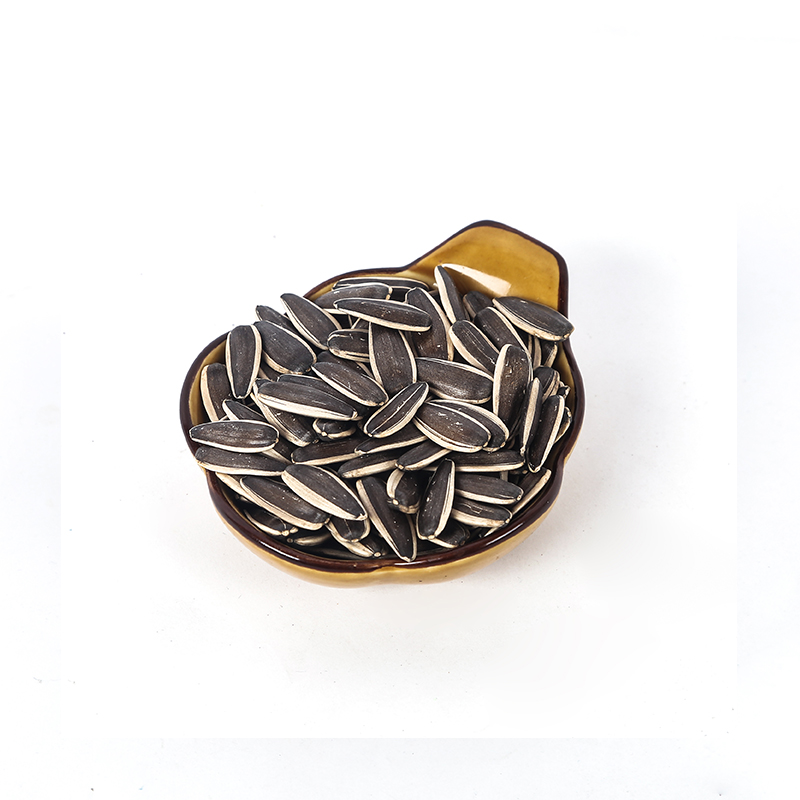
Multi-flavor sunflower seeds represent a significant segment within the snack food industry, characterized by the application of various seasonings to processed sunflower seeds (Helianthus annuus). Positioned between agricultural commodity processing and consumer packaged goods, the production chain involves seed selection, dehulling, drying, coating, and packaging. Core performance characteristics center around seed integrity, coating adhesion, flavor profile consistency, and shelf stability. The industry faces key challenges related to maintaining seed quality (minimizing broken kernels and foreign material), controlling coating uniformity and preventing flavor degradation during storage, and complying with stringent food safety regulations. This guide provides a detailed technical overview of multi-flavor sunflower seed production, performance parameters, potential failure modes, and industry best practices.
Material Science & Manufacturing
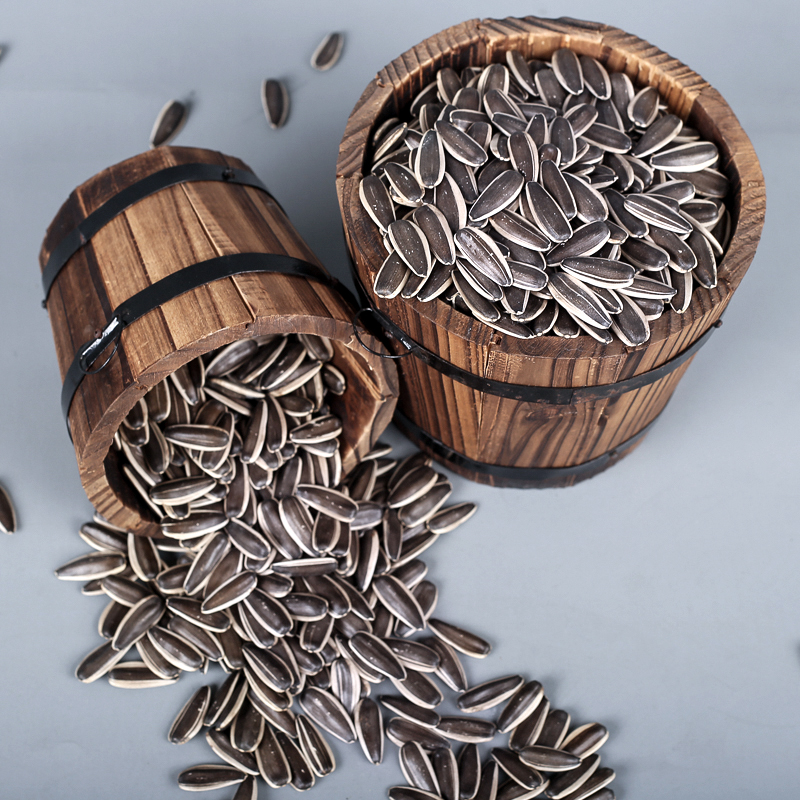
The primary raw material, sunflower seeds, varies in composition based on cultivar and growing conditions. Key components include oil (40-50% linoleic acid, 20-30% oleic acid), protein (20-25%), fiber (10-15%), and moisture (typically 8-12% pre-processing). Seed quality directly impacts final product characteristics. Dehulling is typically achieved mechanically, with subsequent drying to reduce moisture content to 2-3% for optimal coating adhesion. Coating formulations are complex, generally comprising sugar, salt, flavorings (e.g., spices, hydrolyzed vegetable protein, monosodium glutamate), coloring agents, and binding agents like maltodextrin or modified starch. Coating application occurs in rotating drum coaters, with precise control of coating solution concentration, drum speed, and air temperature critical for uniform coverage. Roasting, following coating, further reduces moisture content and develops flavor. Packaging utilizes multi-layer films offering moisture, oxygen, and light barriers to maintain product freshness. Parameter control during drying (temperature, airflow, duration) is vital to prevent cracking and preserve oil quality. Coating solution viscosity and spray rate directly affect coating uniformity. The choice of binding agent influences coating adhesion and texture.
Performance & Engineering
Performance is assessed through several key metrics. Coating adhesion strength is crucial, resisting delamination during handling and consumption. This is analyzed using tensile testing, measuring the force required to separate the coating from the seed. Flavor release kinetics are engineered through coating composition and particle size distribution of flavor compounds. Moisture content plays a significant role in textural attributes (crunchiness) and shelf life. Environmental resistance focuses on preventing oxidation of oils within the seeds and maintaining coating integrity under varying temperature and humidity conditions. Compliance with food safety standards (see section 7) necessitates rigorous control of microbial loads and the absence of contaminants. Force analysis during packaging operations considers compression resistance to prevent seed breakage. The shelf life is determined by accelerated aging studies, monitoring changes in moisture content, oil rancidity (measured by peroxide value), and sensory attributes. Coating permeability to oxygen and water vapor is engineered to extend shelf life. Thermal analysis (DSC, TGA) is used to characterize the thermal stability of both seeds and coatings.
Technical Specifications
| Parameter | Unit | Specification | Test Method |
|---|---|---|---|
| Moisture Content (Seed) | % w/w | ≤ 3.0 | AOAC 925.10 |
| Moisture Content (Coated Seed) | % w/w | ≤ 5.0 | AOAC 925.10 |
| Coating Adhesion Strength | N | ≥ 1.0 | ASTM D3359 (modified) |
| Oil Content (Seed) | % w/w | 40-50 | AOAC 920.85 |
| Peroxide Value (Oil) | meq O2/kg | ≤ 5.0 (after 6 months storage) | AOAC 923.23 |
| Flavor Uniformity (Sensory) | Score (1-9) | ≥ 7.0 | Internal Sensory Panel |
Failure Mode & Maintenance
Common failure modes include coating cracking and delamination, flavor loss (staling), seed rancidity (oxidative degradation of oils), and seed breakage. Coating cracking often results from thermal stress during processing or moisture ingress during storage. Delamination is typically caused by poor coating adhesion due to insufficient drying of seeds or improper coating formulation. Flavor loss occurs via diffusion of volatile aroma compounds through the coating. Seed rancidity is initiated by oxidation of unsaturated fatty acids, accelerated by heat, light, and oxygen exposure. Seed breakage is primarily a mechanical failure during handling or processing. Maintenance strategies involve optimizing drying parameters, implementing robust coating formulations with appropriate binding agents, employing oxygen and moisture barrier packaging materials, controlling storage temperature and humidity, and implementing quality control checks throughout the production process. Regular monitoring of peroxide value is critical for assessing oil stability. Implementing a First-In, First-Out (FIFO) inventory management system minimizes storage time and reduces the risk of rancidity and flavor degradation. Preventative maintenance of processing equipment (dryers, coaters) ensures consistent operation and minimizes seed damage.
Industry FAQ
Q: What is the primary cause of coating delamination after packaging?
A: The most common cause of coating delamination after packaging is residual moisture in the seeds at the time of coating application. Insufficient drying prior to coating creates a weak bond between the coating and the seed surface. Additionally, fluctuations in temperature and humidity during storage can induce stress, leading to delamination. Ensuring seed moisture content is within specified limits and utilizing packaging with effective moisture barriers are critical preventative measures.
Q: How does the choice of oil influence the shelf life of the sunflower seeds?
A: The type of oil significantly impacts shelf life. Sunflower seeds high in linoleic acid are more susceptible to oxidative rancidity than those with higher oleic acid content. Oleic acid is more resistant to oxidation. Cultivars bred for high oleic acid content are preferred for extended shelf life. Antioxidants can be added to the coating formulation to further inhibit oxidation.
Q: What are the critical control points for ensuring flavor consistency?
A: Critical control points include accurate weighing of flavoring ingredients, consistent mixing of coating solutions, precise control of coating application rate and drum speed, and uniform roasting. Regular sensory evaluations are essential to verify flavor profile consistency.
Q: What is the impact of seed breakage on the final product quality?
A: Seed breakage reduces the visual appeal of the product and increases the surface area exposed to oxygen, accelerating rancidity. Broken kernels also contribute to dust in the packaging. Minimizing seed breakage requires careful handling throughout the process, optimized drying parameters, and appropriate packaging to prevent compression during transport.
Q: How do you ensure compliance with food safety regulations regarding allergens?
A: A robust allergen control program is essential. This includes verifying the allergen status of all ingredients, implementing segregation procedures to prevent cross-contamination, proper labeling of allergens on the packaging, and regular cleaning and sanitation of equipment.
Conclusion
Multi-flavor sunflower seed production is a complex process demanding careful control of material science principles, manufacturing parameters, and quality assurance protocols. Optimizing seed selection, drying processes, coating formulations, and packaging solutions is crucial for delivering a product with desirable sensory attributes, extended shelf life, and consistent quality. Addressing potential failure modes through preventative maintenance and robust process control is paramount to minimizing product loss and maintaining brand reputation.
Future advancements in this industry will likely focus on developing novel coating technologies offering enhanced flavor encapsulation and barrier properties, utilizing advanced data analytics for process optimization, and incorporating sustainable packaging materials. Continuous monitoring of evolving food safety regulations and consumer preferences will remain vital for maintaining a competitive edge.
